Protect, enclose, and enhance your components with custom plastic covers. Whether rectangular, round, transparent, white, or made to measure, we develop plastic covers, housings, and protective hoods that are functional, durable, and visually high-quality.
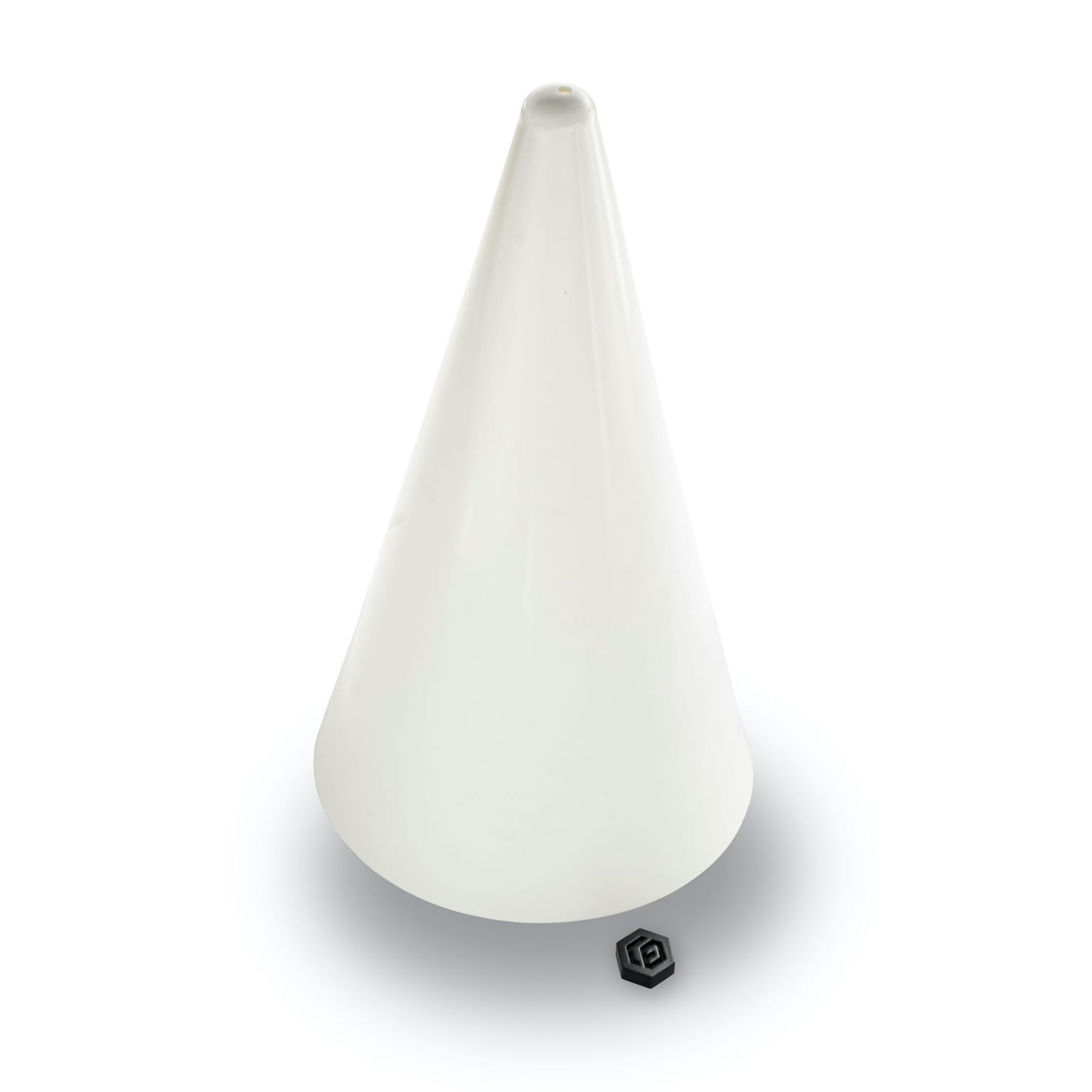
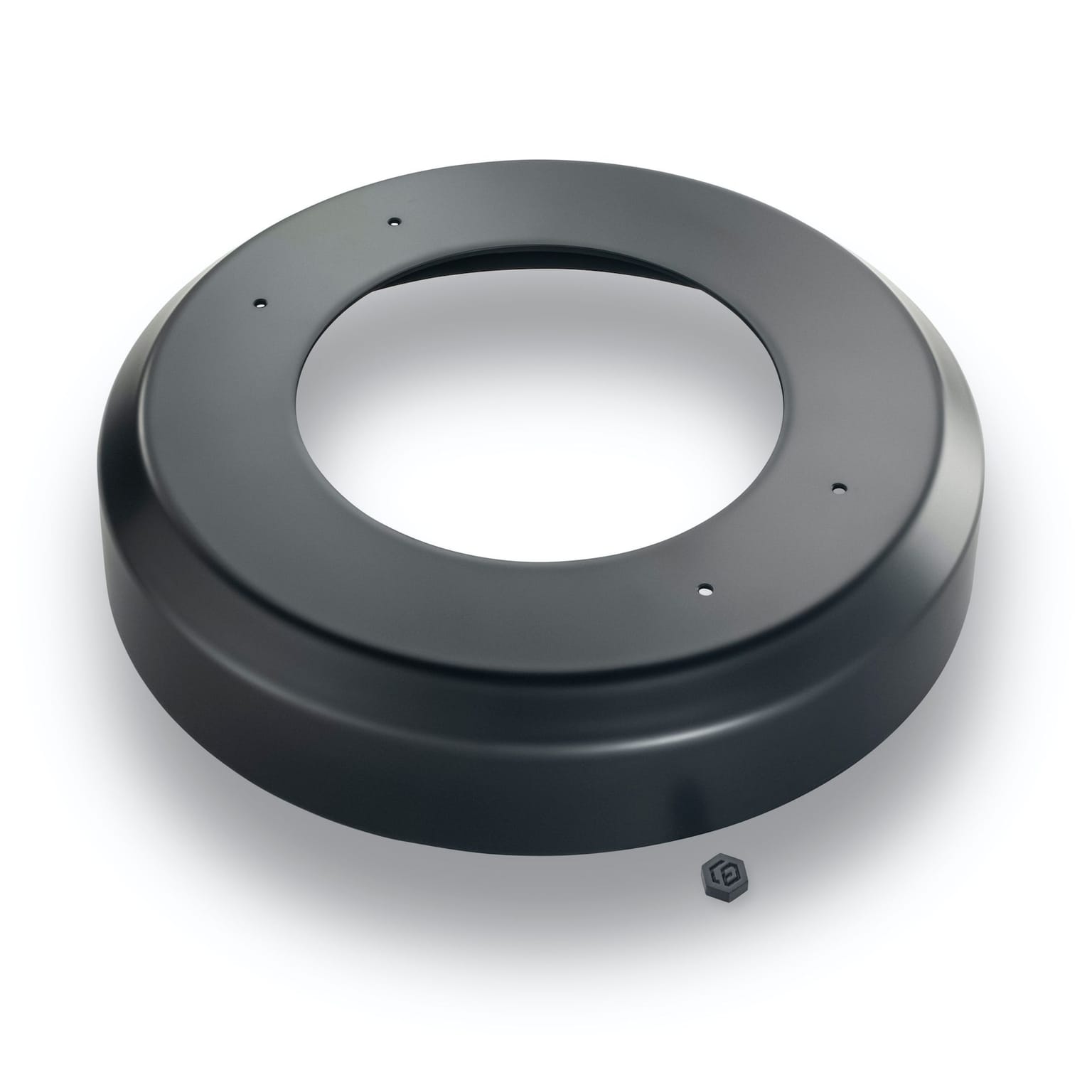
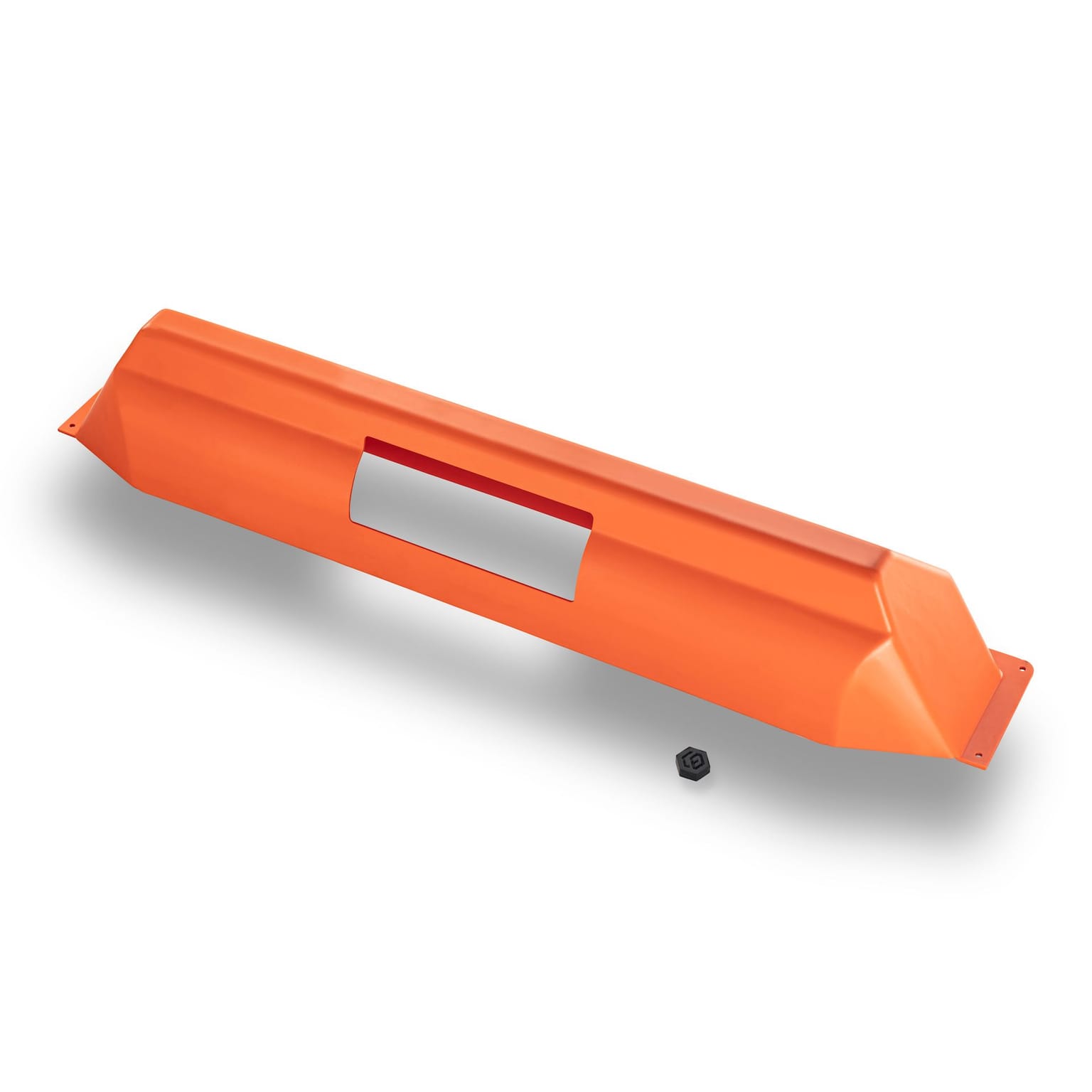
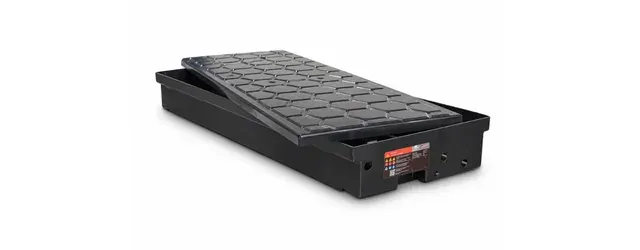
A plastic cover is a thermoformed component that protects and encloses machines, devices, or products. It can be designed as a protective hood, plastic housing, or plastic lid—rectangular or round, large or small. Since plastic covers are often visible components, surface finish, color, and aesthetics play an important role. Custom cut-outs, holes, or ventilation slots can be easily integrated.
Compared to metal, plastic covers and housings are:
→ Learn more in our blog: Plastic vs. metal
Plastic covers allow for complex shapes and geometries to be created without high tooling costs or large initial investments.
Thermoforming offers a cost-effective production method, even for small quantities of plastic covers, making it a great alternative to more expensive methods like injection molding.
Plastic covers can be processed with a fast time-to-market, offering quicker delivery compared to injection molding.
Custom enclosures can be designed with machined cuts for openings, slots, and holes, tailored to your specific needs.
Plastic covers can also integrate assembly options, such as embedding fasteners, which allows for further customization and functionality.
Thermoforming allows the creation of large, stable empty housings, with forming surfaces up to 3,460 x 2,260 mm.
Thermoforming offers high-quality plastic covers, with reproducibility and process security that ensures consistent results without warping.
The material selection for plastic covers can be optimized for specific properties, such as UV resistance, chemical resistance, and flame retardancy.
Plastic covers can be made transparent (e.g., using Plexiglas for high transparency) or colored, with the option of using colored plastic films or sheets.
Run the thermoforming check now!
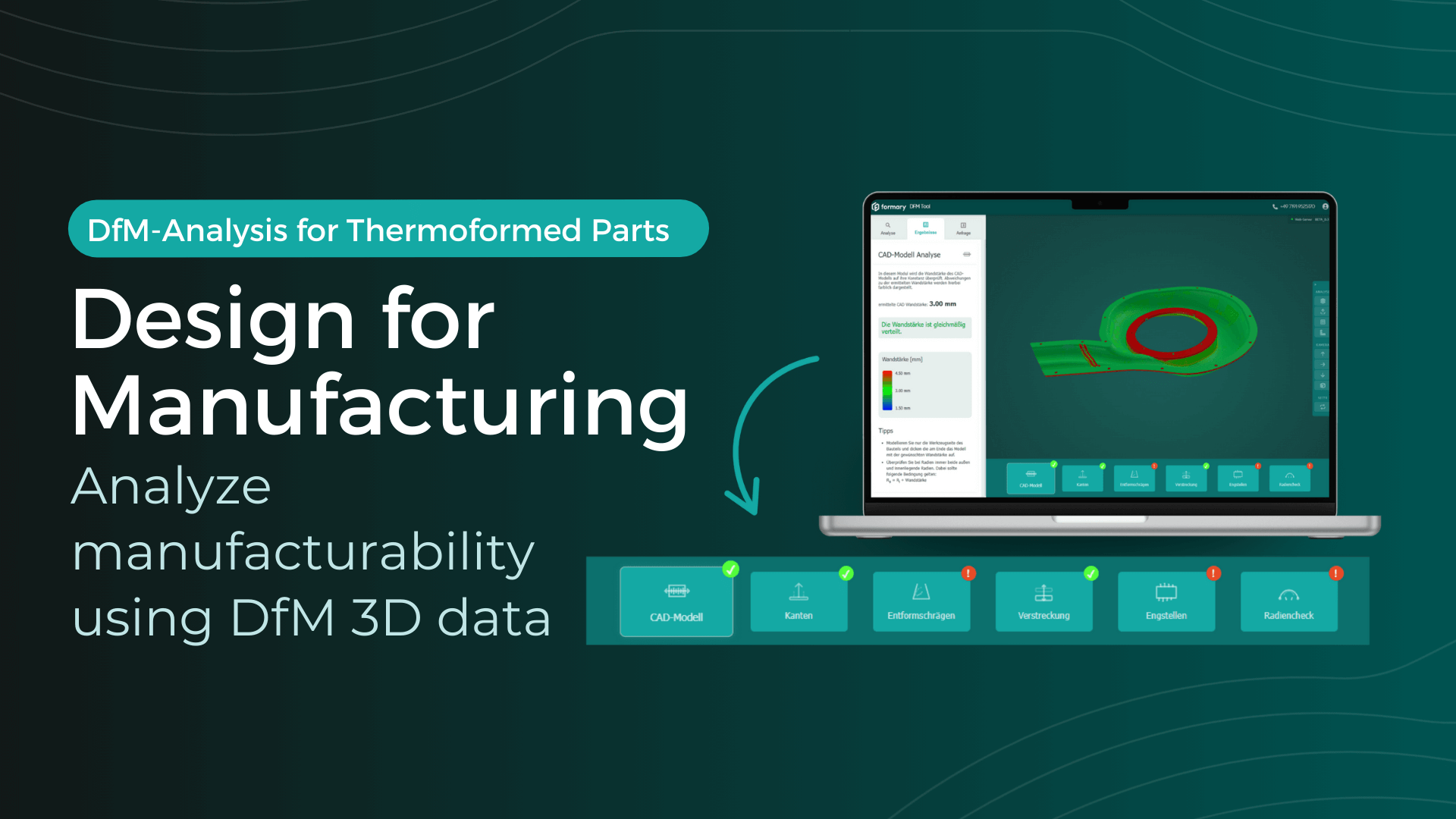
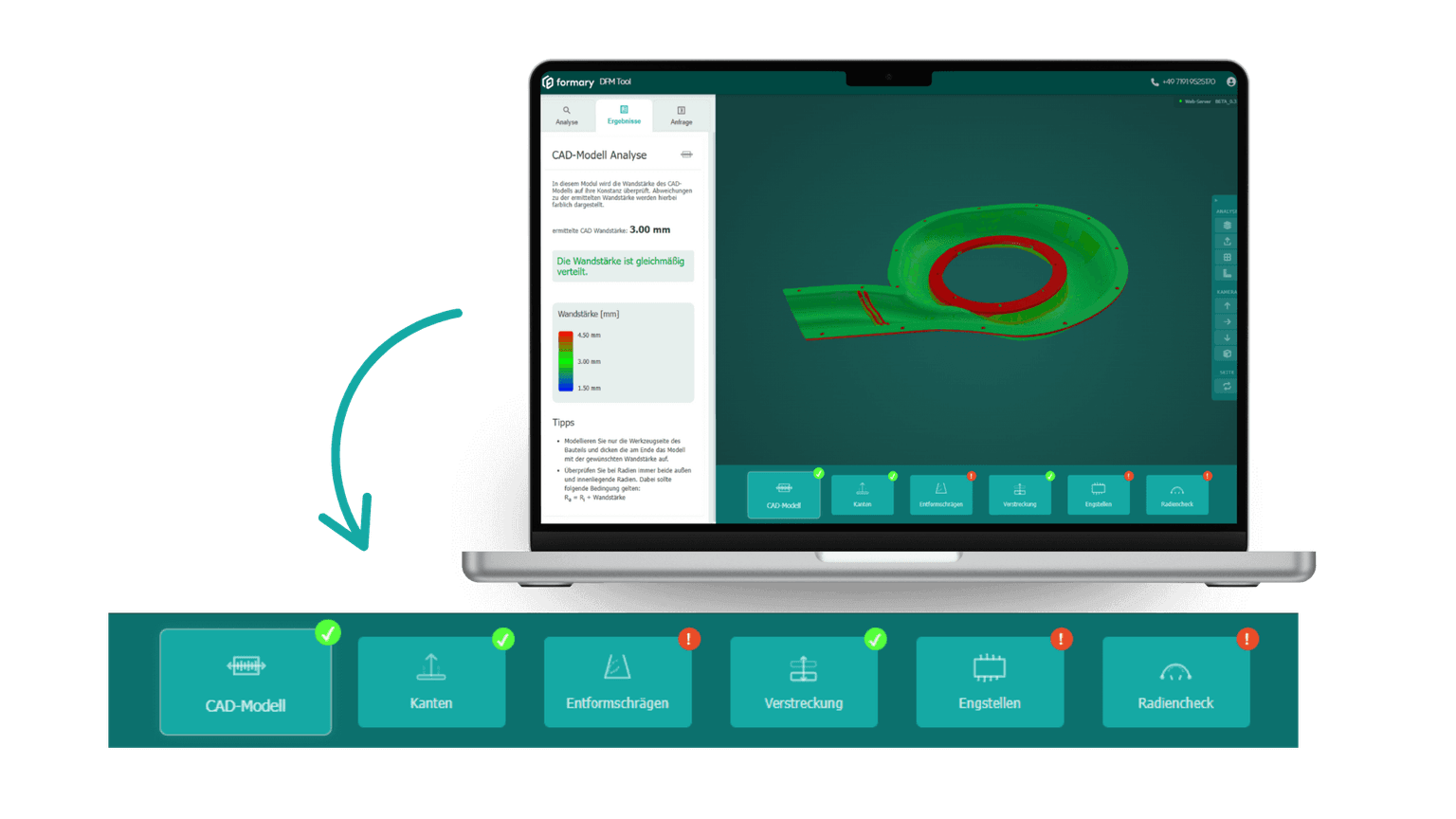
Using our DfM analysis, we review your CAD data for wall thickness distribution, draft angles, radii, and other criteria to ensure the technical feasibility of your thermoformed container. Simply book a free demo and we’ll be happy to go through your data with you.

Save material by using thinner wall thicknesses for plastic covers and housings.
Substitute steel or fiberglass with plastic covers to reduce costs and improve recyclability.
Scratch-free surfaces and special material properties make the plastic covers high-quality and durable.
Material selection ensures plastic housings and covers can withstand outdoor environments, offering extended resistance.
Create plastic assemblies by incorporating connection techniques into your plastic covers, enclosures, and housings.
Ensure reliability and repeatability, even with large parts, thanks to our consistent manufacturing processes.
Typical features of thermoformed plastic covers make them easier to clean and maintain.
Upon request, we manufacture plastic covers as complete assemblies. Multiple thermoformed parts are joined by bonding, screwing, clipping, or sealing. In addition, the following options are available:

Radii
Radii describe the degree of edge rounding. Thermoformed plastic enclosures always require minimum radii to prevent material weakening or cracking.

Draft angles
Draft angles of at least approx. 3° are required for smooth demolding of a plastic cover. The exact angle depends on the material, thickness, and geometry and is defined individually by us.
Standards & dimensional tolerances
As standard, tolerances according to ISO 2768-m apply. If required, tighter tolerances can also be achieved—especially in connection areas that require high precision.

Fit accuracy
Plastic covers must fit precisely with machine interfaces or assemblies. That’s why we place particular emphasis on tolerance windows and functional interfaces.

Appearance & surface
Plastic covers can be designed in solid colors, with color stripes, and with smooth, grained, or textured surfaces. Logos, material markings, or date stamps can also be integrated directly.

Ribs & reinforcements
For short service life, we offer cost-effective lightweight solutions. For long-term use, covers are reinforced with ribs and stiffeners.
For outdoor enclosures, we use UV-stable plastics. This property can be achieved through additives or by selecting materials such as ABS or ASA, which are naturally UV-resistant.
For applications involving oils, greases, or cleaning agents, we select materials that offer long-term resistance, even in sensitive environments.
In automotive or mechanical engineering applications, plastic covers often have to withstand high temperatures. We select plastics with suitable continuous operating temperatures and resistance to temperature peaks.
For applications with fire safety requirements, we offer UL 94–certified, flame-retardant plastics that are self-extinguishing. Ideal for medical technology, mechanical engineering, or transportation applications.
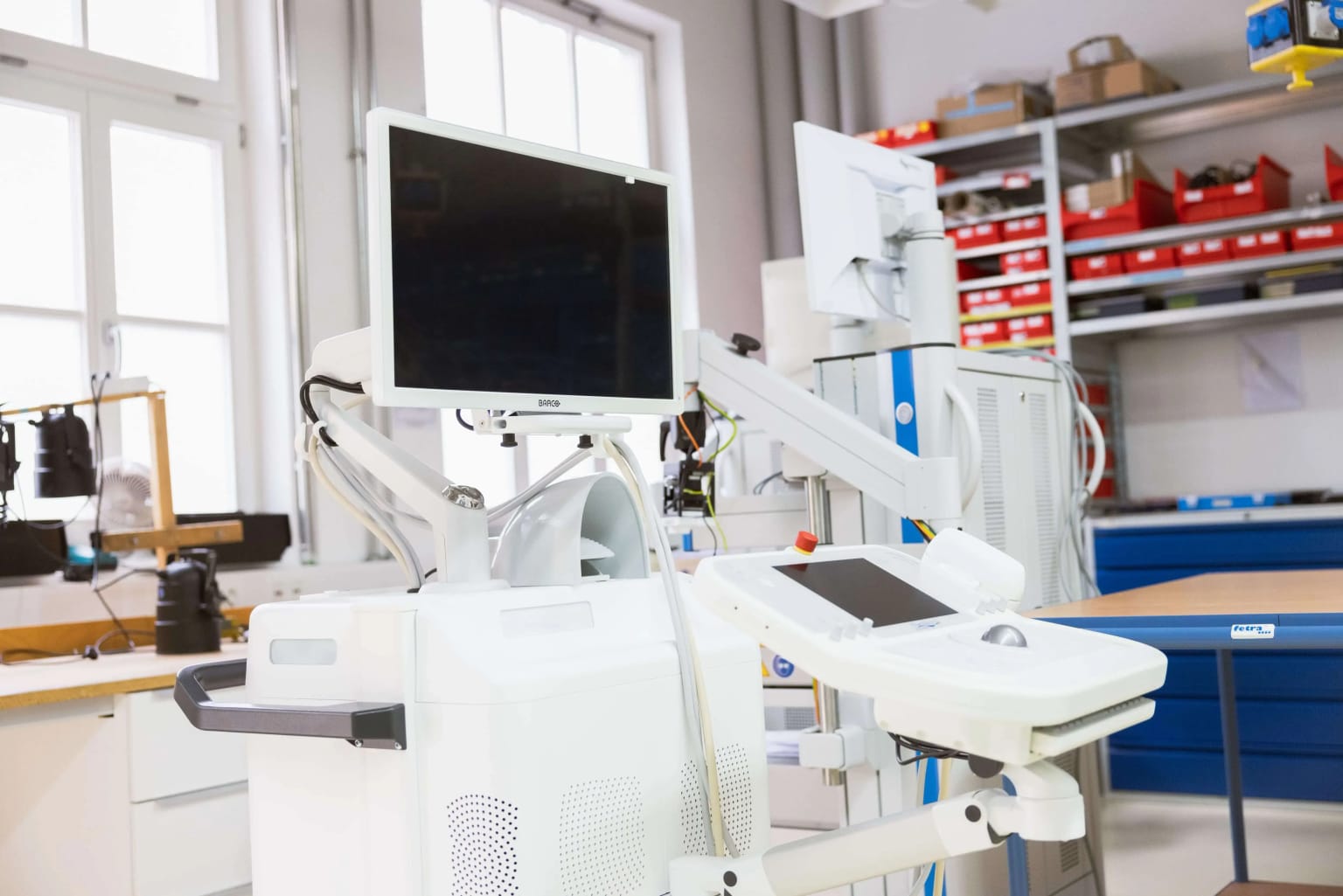
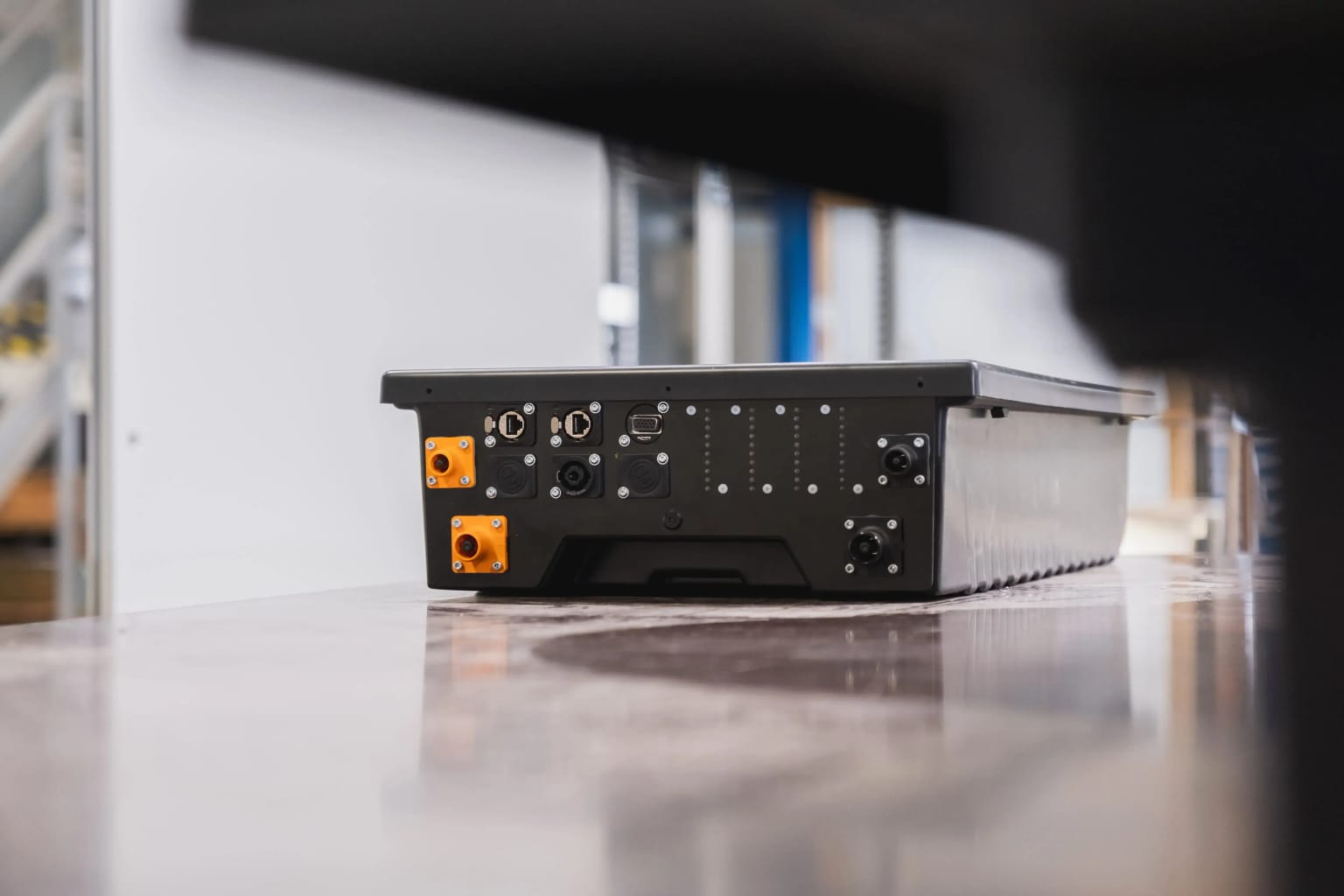
Here are several examples of thermoformed plastic covers used in various applications:
You configure your desired product in our configurator in the desired quantities, material and design.
We check your data for feasibility and implementation. Then we provide you with an offer within 24 hours. At the same time, we also make suggestions for the data creation of your deep-drawn part as well as useful sampling options.
You approve our data for prototyping or the series tool.
We create your tool and send you series samples for approval.
After checking and approving the samples, we start manufacturing your deep-drawn parts.
After completion and thorough inspection by our QA team, we will send your series delivery on its way.
A plastic cover is a thermoformed part that protects or encloses components. It can be designed as a protective hood, plastic housing, or lid. Also available in round or rectangular shapes, transparent or colored.