Plastic Milling & Plastic Punching
Precise outer contours for thermoformed plastic parts | CNC milling & punching | strip steel cutting, shearing, 5-axis milling
What is plastic milling and plastic punching?
In thermoforming, formed parts are brought to their exact outer contour after shaping. Two key processes are used for this purpose: plastic milling and plastic punching.
Separation processes such as plastic milling and plastic punching are applied depending on the requirements for tolerance, appearance, and the haptics of the cut edge. Factors such as the type of plastic, material thickness, and the length of the cutting contour play an important role. formary selects the optimal process based on your inquiry and the technical requirements of your thermoformed part.
Plastic Punching: How Does It Work?
In plastic punching, thermoformed parts are brought to the desired outer contour using a press.
A cutting tool that defines the shape, usually a strip steel cutting tool or a shearing tool, is inserted into the press. Under high pressure, the press separates the plastic along the contour. This results in clean, uniform cut edges, making the process ideal for high-volume production runs and recurring geometries.
Suitable materials for plastic punching


How does plastic milling work?
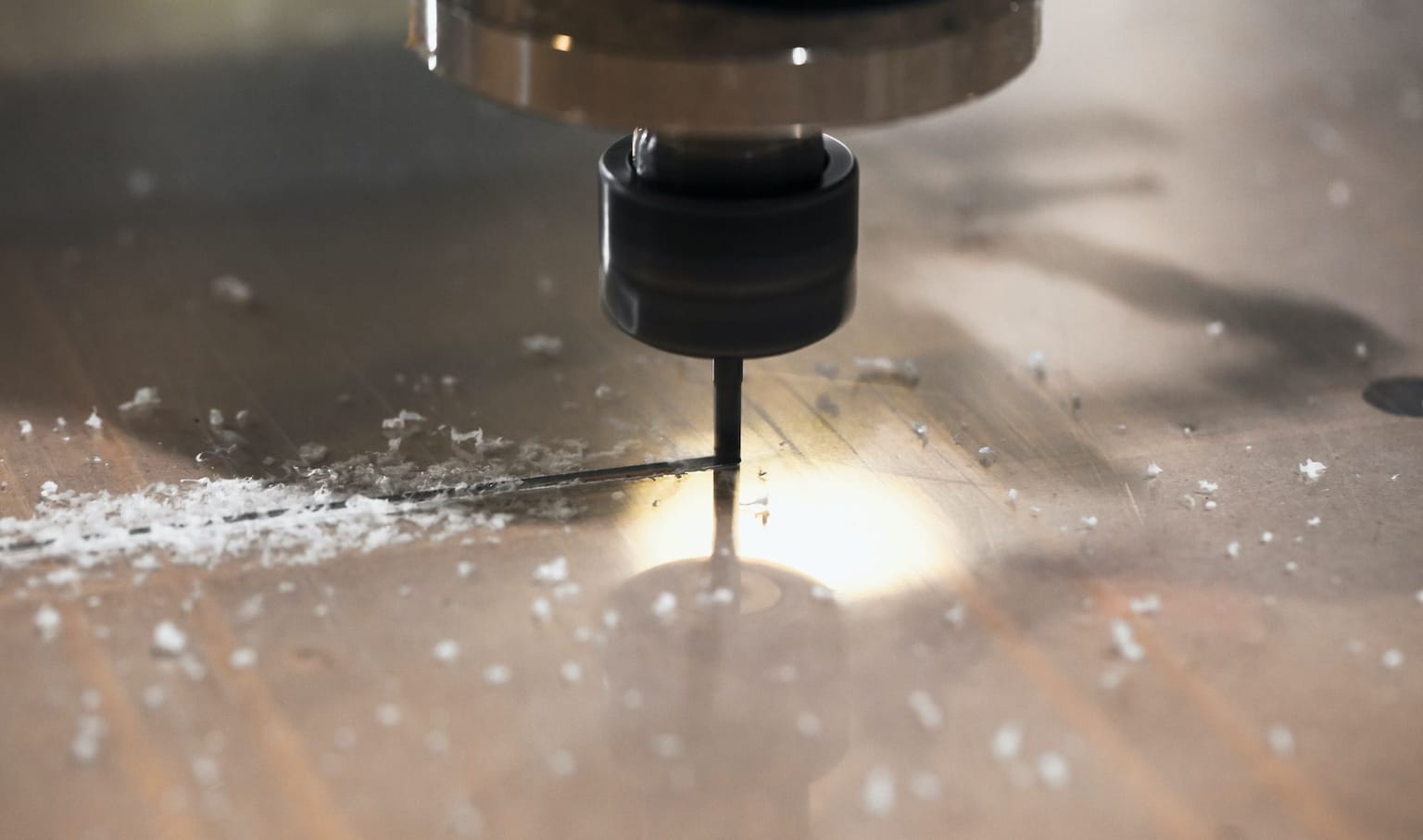
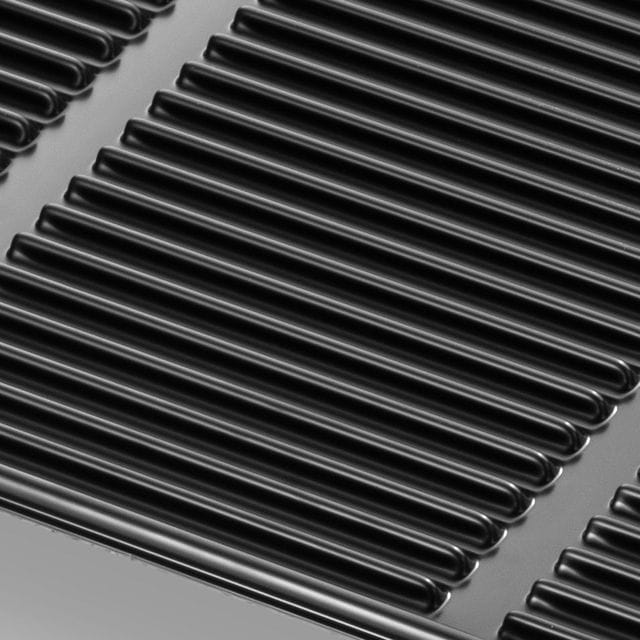
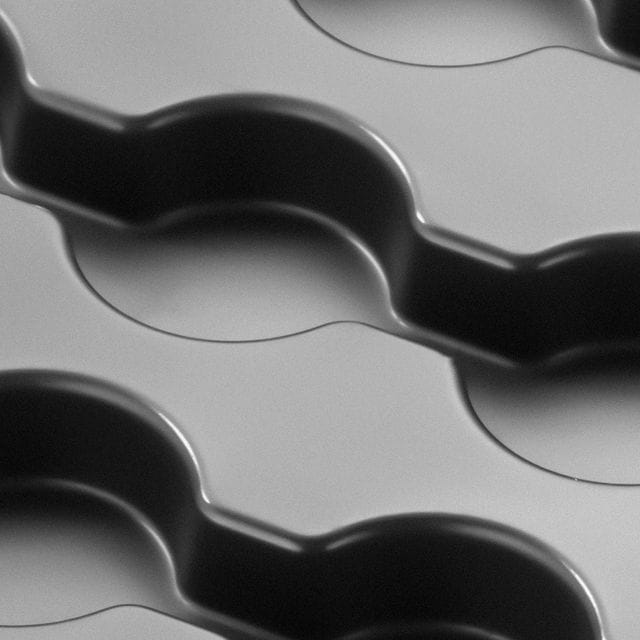
In plastic milling, thermoformed parts are machined on CNC-controlled 3- to 5-axis machines.
Plastics are particularly well suited for CNC milling due to their versatility, electrical insulating properties, and ease of machining. The process enables precise contours, holes, and slots, even for large or complex components.
Advantages of plastic milling:
- High precision and clean edges
- Cost-effective for small and medium production runs
- No expensive tooling required
Overview of separation processes
Trimming techniques for milling and punching your thermoformed plastic parts.



Factors for selecting the optimal separation process
Whether plastic milling or punching is best suited for your application is determined based on the following factors:
- Tolerance requirements and edge quality
- Type of plastic and material thickness
- Visual requirements and haptics
- Production volume and tooling costs
- Production speed and energy efficiency
Frequently asked questions about plastic milling & plastic punching
What is the difference between plastic milling and plastic punching?
Punching is faster and more cost-effective for large production runs, while milling is more precise and flexible for small quantities or complex geometries.
Learn More About Thermoforming
Want to deepen your knowledge of thermoforming? Explore our webinars and detailed process guides.