







Acrylonitrile Butadiene Styrene Copolymer

ABS Plastic

ABS (Acrylonitrile Butadiene Styrene) is a robust engineering thermoplastic with excellent impact strength, rigidity and temperature resistance. It is ideally suited for thermoforming processes and is particularly well suited for painting, coating and electroplating.

What is ABS plastic?

ABS stands for Acrylonitrile Butadiene Styrene and is an engineering thermoplastic from the group of amorphous plastics. ABS is considered a robust all-round plastic with outstanding properties such as high impact strength, rigidity and good temperature resistance. ABS is frequently used in thermoforming to produce stable, durable components.

Processing and thermoformability of ABS

ABS is known for its easy processability due to its good flow properties. The butadiene contained in ABS creates an optimal adhesion structure, making ABS plastic highly suitable for coating, painting, printing and electroplating with metals. The latter means that plastic components made of ABS can be produced very effectively with a chrome-plated surface.

Material options for ABS plastic

Kunststoff Eigenschaften_AntistatischAntistatic
Kunststoff Eigenschaften_BedruckbarPrintable
Kunststoff Eigenschaften_RegeneratRegenerate

ABS plastic at a glance

  • Price

  • Colors

  • Features

    • Good impact strength
    • Good scratch resistance
    • High temperature resistance
    • Antistatic without the addition of additives
    • Resistant to: oils, organic chemicals, organic acids
    • Additives: flame retardancy, rigidity, cold resistance
    • Perfect for coating, painting and electroplating
  • Weaknesses

    • Poor tensile strength
    • Not resistant to solvents
    • No clear transparency; beige appearance
    • Poor storability; hygroscopic

Additives and special properties of ABS plastic

When additives are added to ABS to achieve special properties in the thermoformed part, this may affect thermoformability under certain circumstances. Typical use cases for additives include TPU for particularly sensitive parts or flame-retardant additives for low flammability. Other available additives increase rigidity or improve the material’s cold resistance.

Storage and procurement of ABS

Practical notes on ABS plastic

When storing ABS, it is important to note that ABS is hygroscopic. This means that thermoformable sheets and rolls made of ABS plastic absorb moisture from the environment during longer storage periods, which reduces the quality and processing quality on the thermoforming machine. For this reason, ABS plastic is usually not kept as stock material, but is procured by the thermoforming manufacturer on customer request. Material delivery times must therefore be considered as lead time when procuring thermoformed ABS plastic parts.

Facts, figures and data on ABS plastic

GroupTechnical Thermoplastics
StructureAmorphous
Density1.07
Continuous Use Temperature Min. (in °C)-40
Continuous Use Temperature Max. (in °C)75
Thermal Expansion Transverse/Longitudinal to Flow Direction (10^-6 *K)95
Melting Temperature (°C)110
Max. Temp. Short-Term (°C)100
Max. Temp. Long-Term (°C)95
Impact Strength (KJ/m^2)22
Abrasion Resistance-
Yield Stress (N/mm²)45
Tensile Strength (N/mm²)50
Tensile Modulus of Elasticity (N/mm²)2500
Elongation at Break (%)10
Flexural Strength (N/mm²)75
Ball Indentation Hardness (N/mm²)90
Dielectric Strength (kV/mm)41
Volume Resistivity (Ω · m)1E13
Surface Resistivity (Ω)1E13
Tracking Resistance CTI600

Applications of ABS plastic

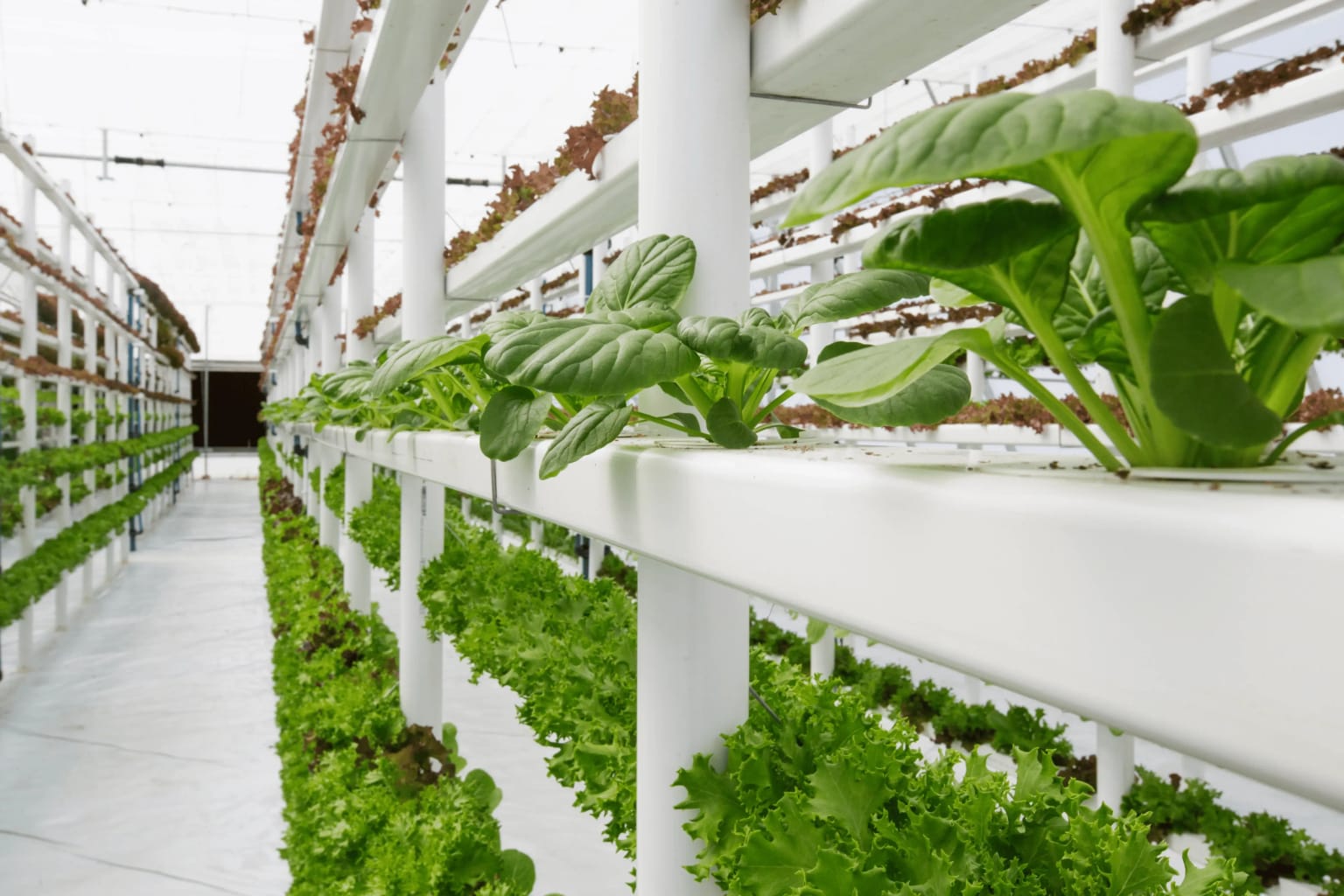
Agriculture & Horticulture

  • Housings for garden equipment and power tools
  • Protective covers for agricultural machinery
  • Components for irrigation systems
  • Covers and cladding for outdoor use

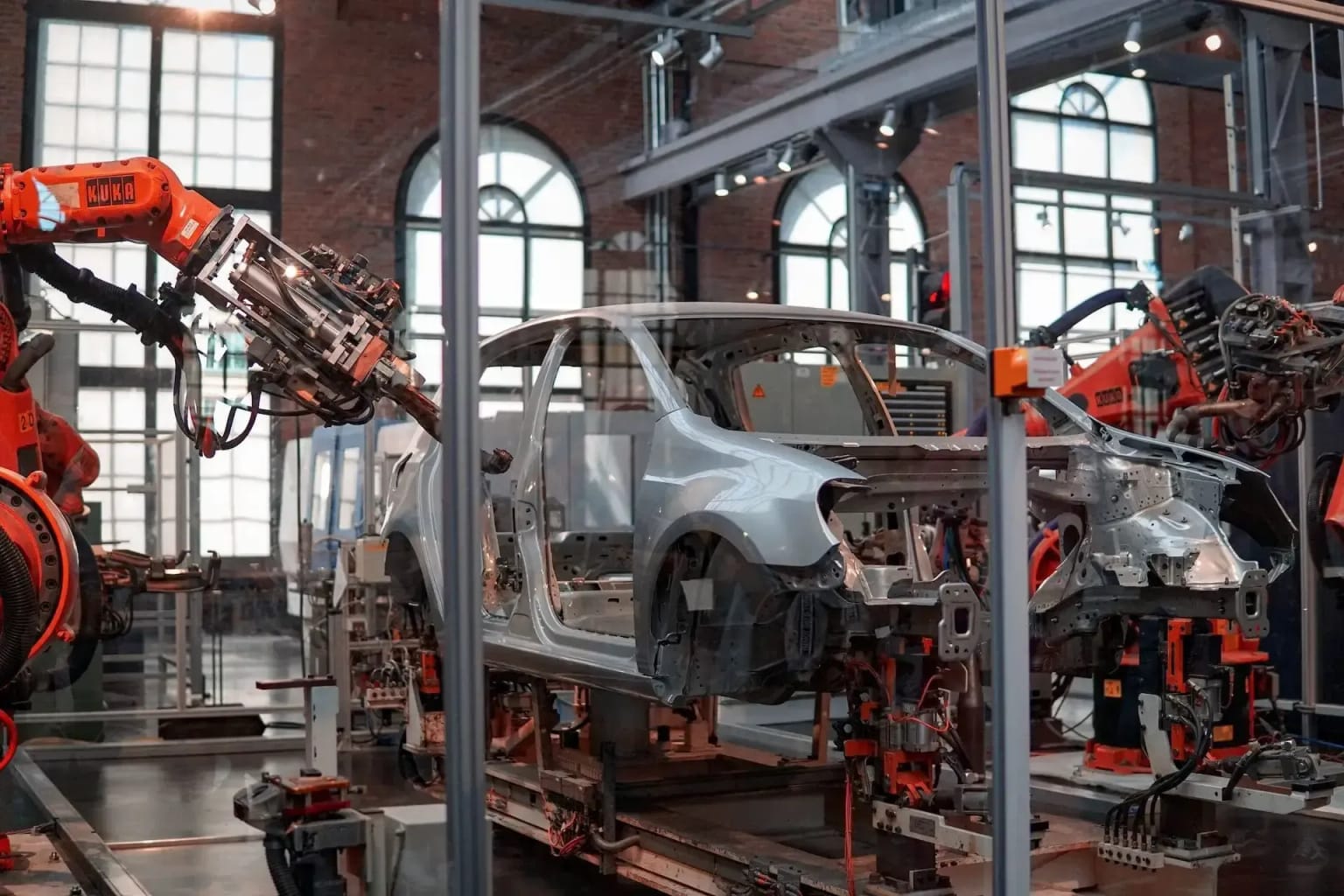
Automotive

  • Body parts and cladding
  • Covers for air conditioning systems
  • Water deflectors
  • Housing components: covers, rear parts, head parts, front parts, rear components
  • Wheel arch extensions
  • Rear light attachments
  • Engine covers and housings
  • Protective panels
  • Pillar trims
  • Wheel covers
  • Vehicle covers
  • Steering column covers
  • Battery covers
  • Dashboards
  • Chrome-plated decorative parts and emblems
  • Air guide plates

Industrial Solutions

  • Transport containers with higher mechanical requirements/loads
  • Reusable trays
  • Transport and presentation boxes
  • Interlayers for heavy workpieces

Mechanical Engineering

  • Automation trays and workpiece carriers
  • Covers for aluminum castings
  • End caps
  • Machine cladding
  • Control panels
  • Touch protection
  • Rotary knob covers
  • Level sensor housings
  • Heating covers
  • Cable ducts and cable trays
  • Monitor covers
  • Control cabinet covers
  • Protective caps and protective covers
  • Swivel chutes
  • Side and spacer covers
  • Spiral housings
  • Thermoformed inserts and carrier trays
  • Interior linings for transport boxes
  • Universal trays
  • High-pressure hose reels
  • Carriers for belt rolls
  • Frame covers
  • Covers for towel dispensers
  • Robotics cladding

Electronics

  • Housings for electrical installations
  • Printer housings
  • Computer housings
  • Battery holders
  • Battery trays
  • Disposable trays for electronics
  • PCB covers
  • Trays for printed circuit boards
  • Electronics housings
  • Covers with EMC shielding
  • Monitor covers
  • Housings for conveyor technology
  • Housings for industrial printers

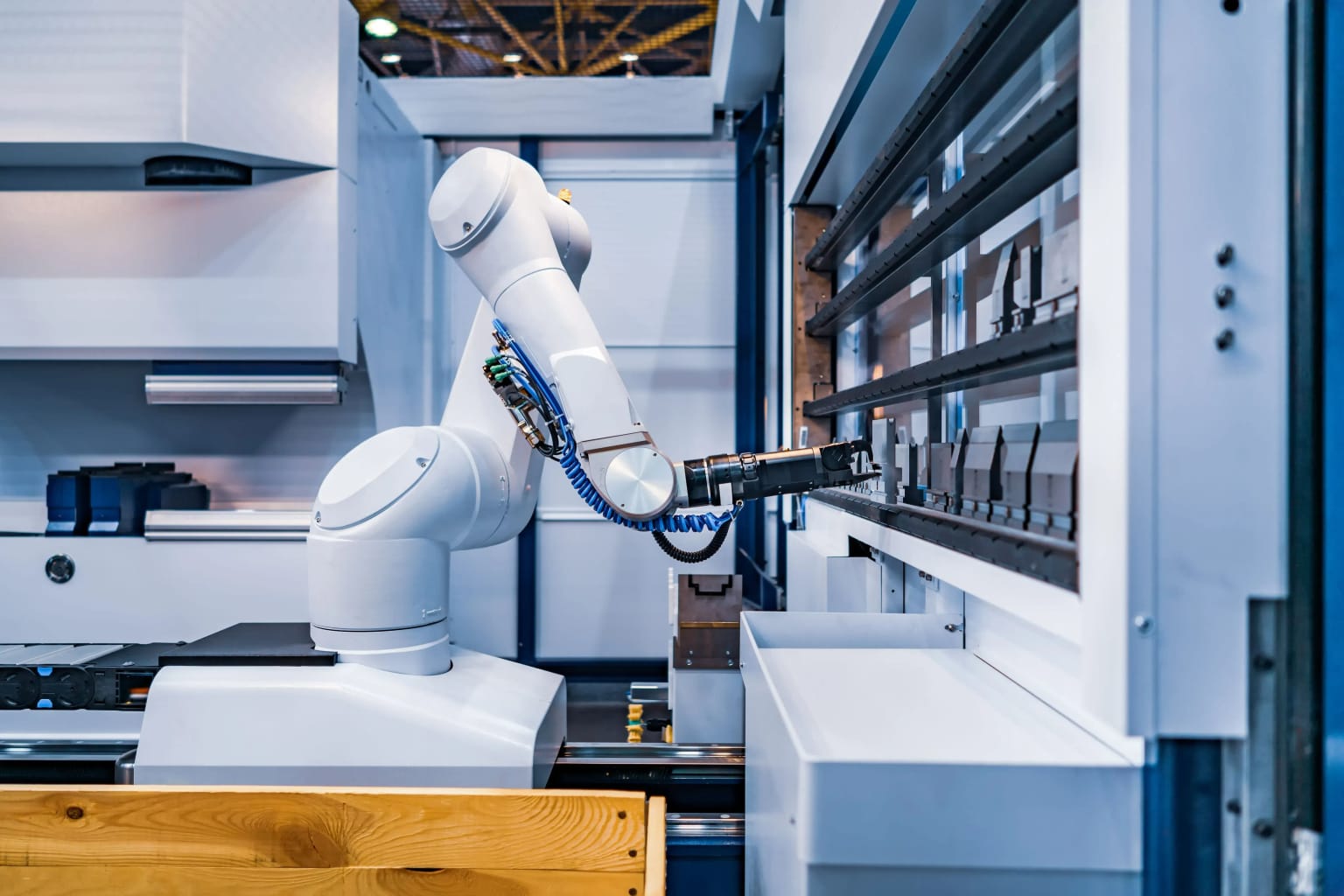
Robotics

  • Robotics cladding
  • Protective covers for robot arms
  • Housings for control units
  • Cable guides and cable ducts
  • Safety covers
  • Control elements and control panels

Medical Technology

  • Case claddings
  • Sanitary components
  • Covers for dental practice chairs
  • Housings for medical devices
  • Housings for laboratory equipment
  • Medical blisters
  • Covers for MedTech devices
  • Housings for medical lasers
  • Covers for dental chairs
  • Bed wash basins

Consumer Goods

  • Covers for household appliances
  • Ice tubs for beverage coolers
  • Bath spheres
  • Shower trays
  • Small bottles
  • Tampon dispensers
  • Toilet divider inserts
  • Dart housings
  • Tubs for kitchen base cabinets
  • Small furniture
  • Hairdresser wash basins
  • Plant tubs
  • Inserts for storage boards
  • Storage containers for flower water
  • Water tanks for balcony irrigation
  • Inlays for water tanks
  • Inlays for steam cookers
  • Components for kitchen appliances
  • Plastic doors

Frequently asked questions about ABS plastic

What is ABS plastic?

ABS stands for acrylonitrile butadiene styrene and is an engineering thermoplastic. It is considered a robust all-round plastic with very good impact strength, rigidity and temperature resistance. ABS is often used in thermoforming to produce stable, durable components.

What are the properties of ABS plastic?
What is ABS plastic used for?
How is ABS plastic processed?
How heat-resistant is ABS plastic?
Is ABS plastic UV-resistant or weatherproof?
How much does ABS plastic cost compared to other materials?
What is the difference between ABS and ASA plastic?
What is a typical project wie ABS plastic?

Further Information That Might Interest You

What is Recyclate? Options in Plastic Recycling and Distinction from Virgin Material
Thermoformed Parts in Practice

What is Recyclate? Options in Plastic Recycling and Distinction from Virgin Material

In an increasingly sustainability-oriented world, recycling and the reuse of materials play a key role. Plastic recyclates offer a sustainable alternative to virgin materials. But what exactly does the term mean, and how can recyclates be distinguished from virgin materials? Read more now.
What are Bioplastics
Thermoformed Parts in Practice

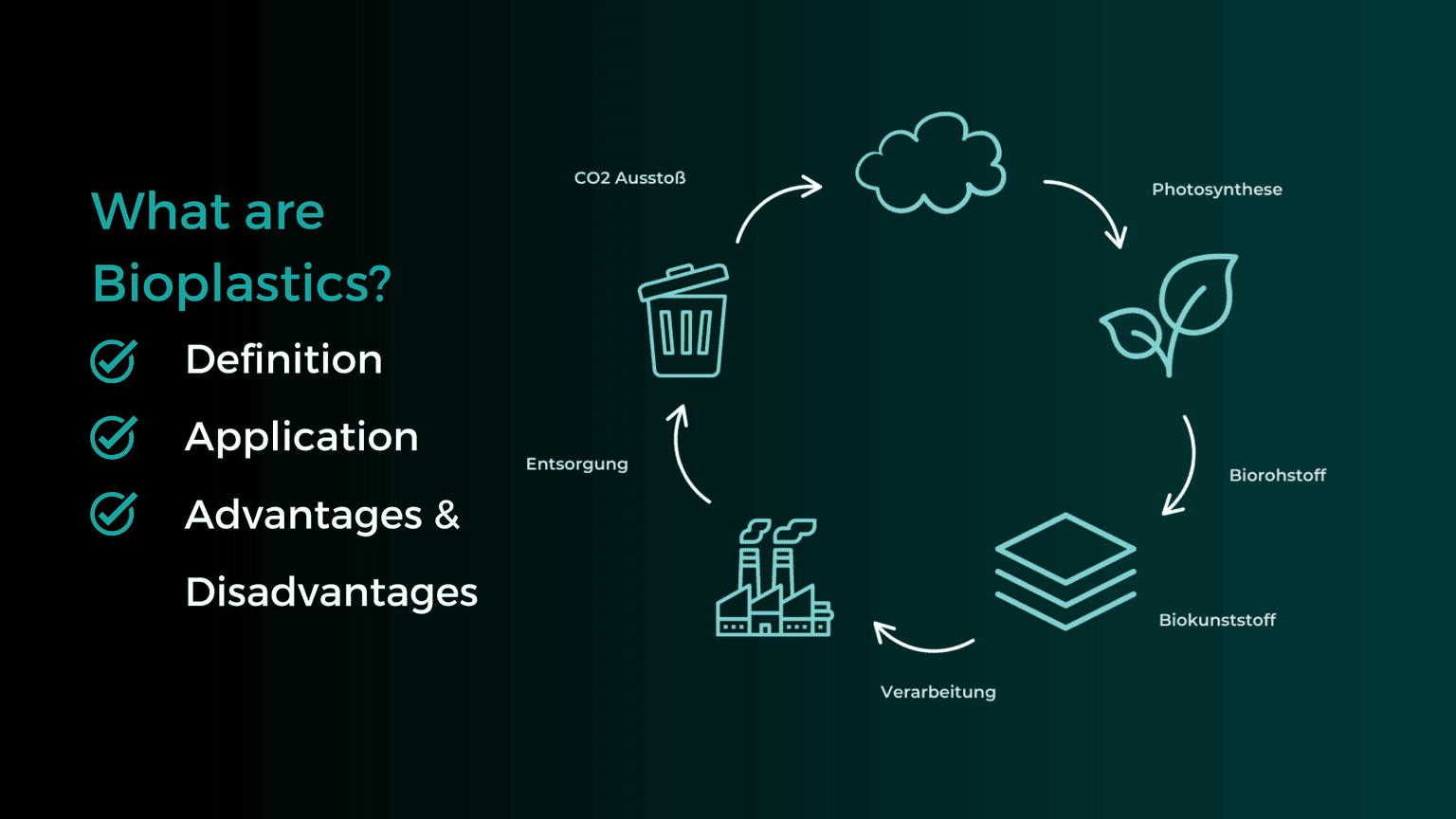
What Are Bioplastics? Definition, Applications, Advantages, and Limitations

Bioplastics are plastics that are either made from renewable raw materials or are biodegradable - or both. They offer a wide range of possible applications - but what exactly are bioplastics, how are they produced and what advantages or limitations do they have compared to traditional plastics?
Kunststoff Extrusion - Herstellung von Kunststfffolie
Thermoformed Parts in Practice

Plastic Extrusion: How Plastic Film is Made

Plastic extrusion is a highly efficient manufacturing process that transforms plastic granules into continuous film. This versatile material is used across various industries, tailored to specific applications and performance requirements.
Plastic vs. Metal Blog Banner
Thermoformed Parts in Practice

Comparison: Plastic vs. Metal – Differences, Similarities, Advantages & Disadvantages

Metals and plastics are two essential material categories used across various industries and applications, from consumer goods manufacturing to the production of technical components.

Thermoformed Parts Made Easy. With formary.

Get your no-obligation quote today.

Don't miss out on important tips and news about thermoformed parts.

By submitting your registration, you accept the privacy policy and will receive an email to confirm your subscription.