Electronic plastic enclosures protect against dust, moisture, mechanical damage, and electromagnetic radiation
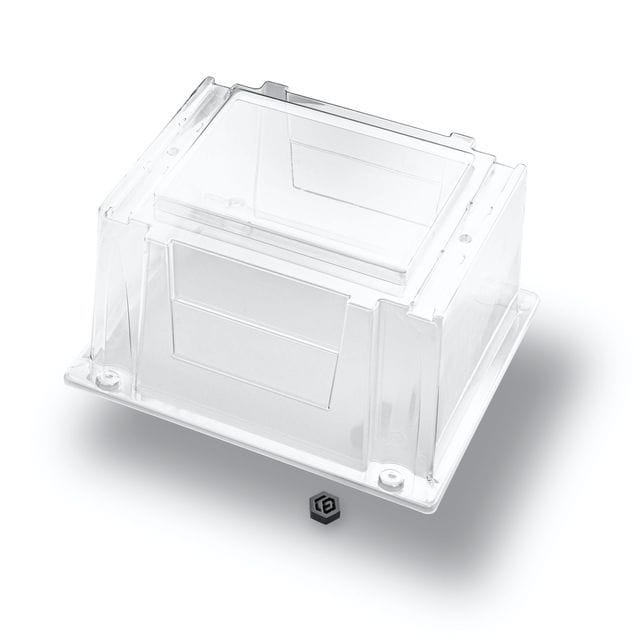
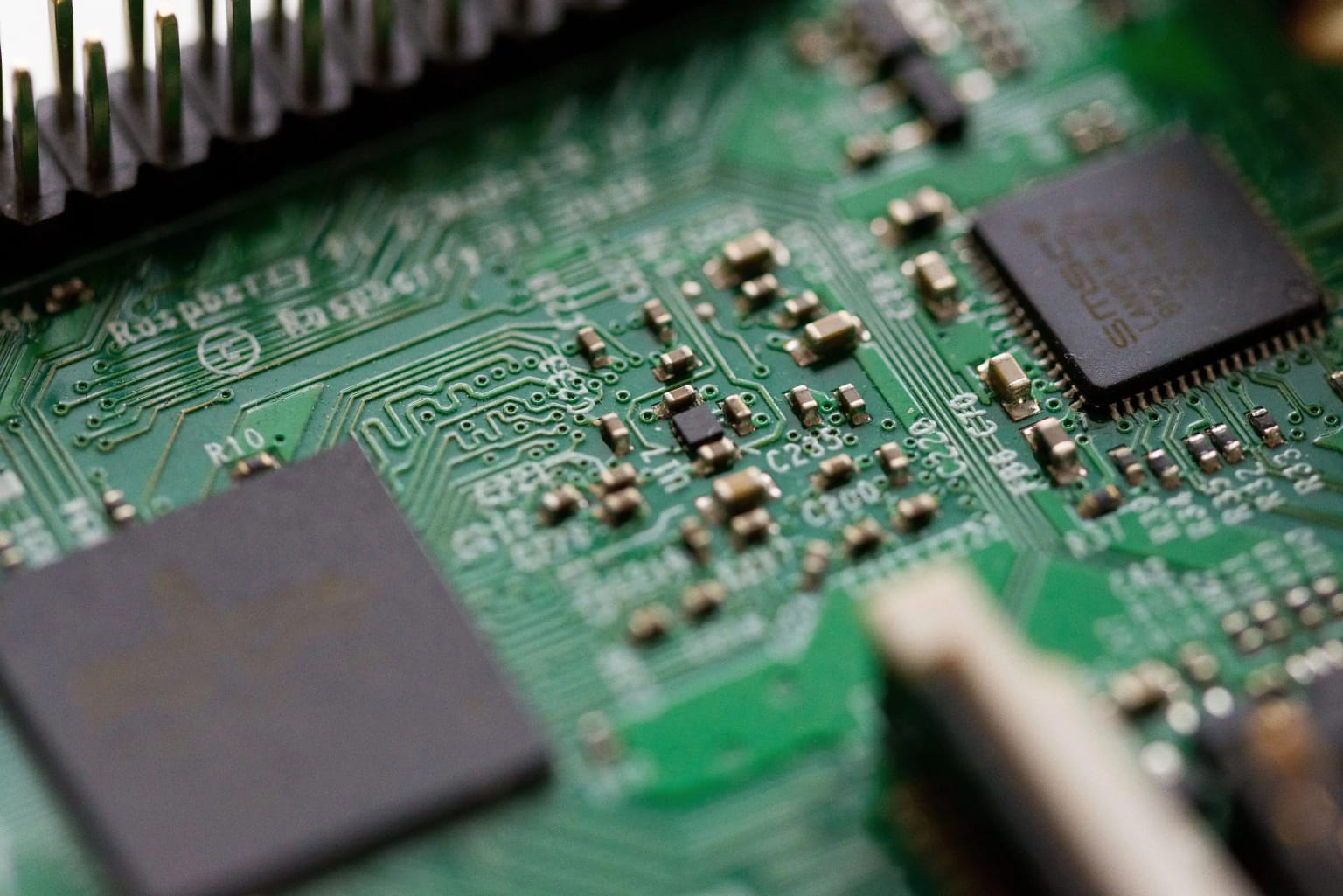
Plastic electronics enclosures are specially designed protective covers that shield sensitive components, circuits, and devices. For each application, we recommend the appropriate material. Whether ABS enclosures or plastic covers made from other thermoplastics – Formary will create your electronic enclosure exactly as you envision. The purpose of plastic enclosures for electronics is to protect electronic components from external influences such as dust, moisture, and mechanical damage. They also help safely discharge electrostatic charges.
Plastic Electronics Housings Protect Electronic Components
By using conductive plastics, plastic enclosures for electronics are capable of safely discharging static charges, thus protecting sensitive electronic components from external influences and damage.
Plastic Electronics Enclosures are Robust and Durable
Plastic electronics enclosures are resistant to shocks, vibrations, and moisture. Therefore, plastic parts are excellent for protecting electronic components.

Plastic Housings for Electronics are Customizable
Plastic enclosures for electronics can be manufactured in various sizes, shapes, and colors depending on the application. Whether you need plastic enclosures in black, white, transparent, a specific RAL color, with subassemblies, or a flip lid – your plastic electronics enclosure will be created according to your requirements.
Do you already have a CAD model for your plastic electronics enclosure? We will check it for you – free of charge and without obligation.
With our DfM analysis (Design for Manufacturability), we can determine at an early stage whether your design can be implemented economically and technically using the thermoforming process.


Certain thermoplastics are used for ESD plastic housings, which are made electrically conductive by means of conductive additives or special fillers. Here is an overview of the most important ESD-compatible materials:
ESD plastic workpiece carriers are specially designed for the safe storage and structured transport of electronic assemblies, circuit boards, sensors and connectors. ESD trays feature customised nest shapes and ensure that each component fits perfectly, even during automated handling with robots or pick-and-place systems.
formary offers ESD transport packaging made of plastic for internal factory logistics and external shipping of sensitive electronics. The trays are stackable, reusable and space-saving. Thanks to their antistatic properties, they protect your components during storage and transport, especially in the case of loose goods or assembled components.
There is a wide range of plastic enclosure sizes and shapes for different applications.
Plastic electronics housings can be flexibly adapted to the electronic components.
The ergonomic design of plastic enclosures for electronics ensures easy handling.
Transparent plastic housings for electronics provide a clear view of the electronic components, making component identification easier.
Plastic enclosures for electronics offer protection against shocks, vibrations, and other mechanical stresses.
Plastic electronics housings are excellent insulators, protecting electrical components from short circuits.

In household appliances and power and fuse boxes, plastic covers, thermoformed enclosures, and covers made of ESD plastic are used for electrical components. Plastic electronics enclosures are not only versatile but also a sustainable option.
By reusing plastic electronics enclosures, waste is minimized, and the need for disposable materials such as cardboard or foam is reduced.

Plastic electronics enclosures are often used in energy supply and building technology, for example as covers and enclosures for fuse boxes, electricity meters, connectors or smart home components. Household appliances such as washing machines, dryers and kitchen appliances also contain numerous sensitive electronic components that are protected from external influences by precisely fitting plastic enclosures.

In medical devices and laboratory systems, medical technology enclosures protect sensitive electronics, displays and connecting elements. Typical applications include portable diagnostic systems, patient monitoring devices and analytical measuring instruments, with a focus on hygiene, lightness and design customisation.
| Criterion | Plastic enclosures | Metal enclosures |
|---|---|---|
| Weight | Very lightweight – ideal for mobile applications | Heavier – robust, but less transport-friendly |
| Variety of shapes | Freely formable – ideal for complex geometries | Restricted – rather angular and volume-based |
| Protective function | Good shock and vibration resistance, insulating | Highly resistant to impact, conducts electricity |
| ESD capability | ESD plastics possible (conductive) | Conductive, but often requires insulation measures |
| Corrosion behaviour | Corrosion-free – no additional protection required | Vulnerable without coating (e.g. paint, powder coating) |
| Appearance & Design | Freely selectable colours, surfaces, transparency possible | Mostly industrial appearance, little customisation |
| Recyclability | Separable by type, also possible from recycled materials | Easily recyclable, depending on the alloy |
| EMC protection | Only through additional measures | Naturally shielding (e.g. aluminium) |
| Expenses | Quite low costs | Relatively high costs |

A plastic electronics enclosure protects electronic components from external influences such as dust, moisture, mechanical stress or electrostatic discharge (ESD). It is thermoformed and individually adapted to the component geometry.