Plastic Thermoformed Parts for the Automotive Industry
Precision thermoformed plastic parts for the automotive industry: from workpiece carriers and automation trays to covers and trim parts. Scalable production, short lead times, and documented quality.
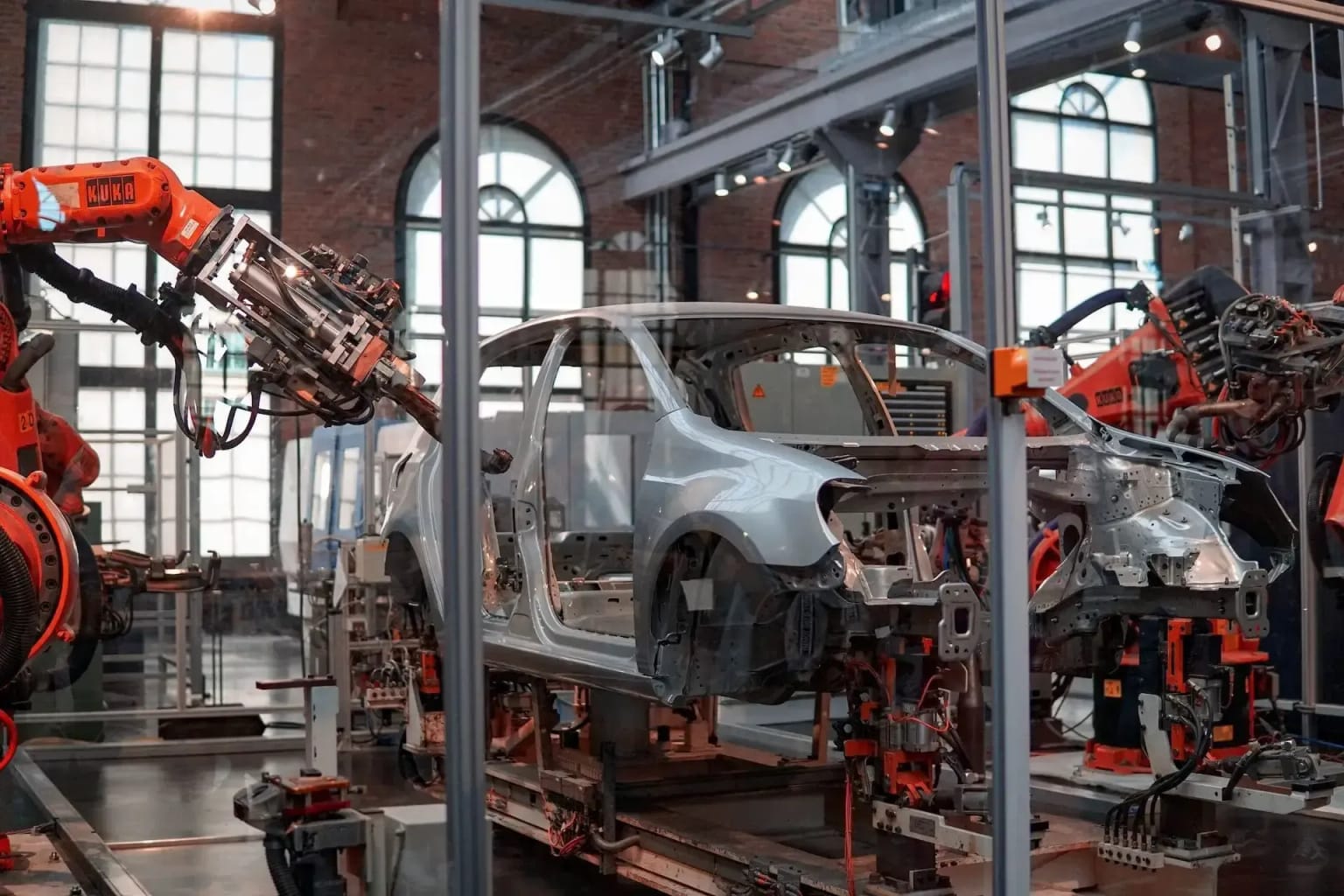
What are automotive thermoformed plastic parts?
Automotive thermoformed parts are custom-made plastic components manufactured using plastic thermoforming in the automotive industry. These include, for example, workpiece carriers, trays, interior and exterior trim, covers, and transport packaging. They are lightweight, robust, and economical—ideal from prototype to series production.



Top applications of thermoformed plastic parts for the automotive industry

Smart design in development
Save material costs with thermoformed plastic parts for the automotive industry and mitigate potential mechanical weak points with stabilizing elements.
Bridge Tooling
Deep drawing in the automotive industry enables cost-effective, rapidly produced sample tools to be used, for example, to test the fit of mold cavities with your components in advance.
Engineering plastics
Plastic thermoformed parts for automotive applications offer specific capabilities such as high temperature ranges, fire protection, ESD protection, abrasion resistance, and are FDA approved.
Flexibility in QA & approval processes
For your thermoformed parts in the automotive sector, we guarantee test reports, documentation, and further testing by external institutes.
Areas of Application for Thermoformed Parts for Automotive
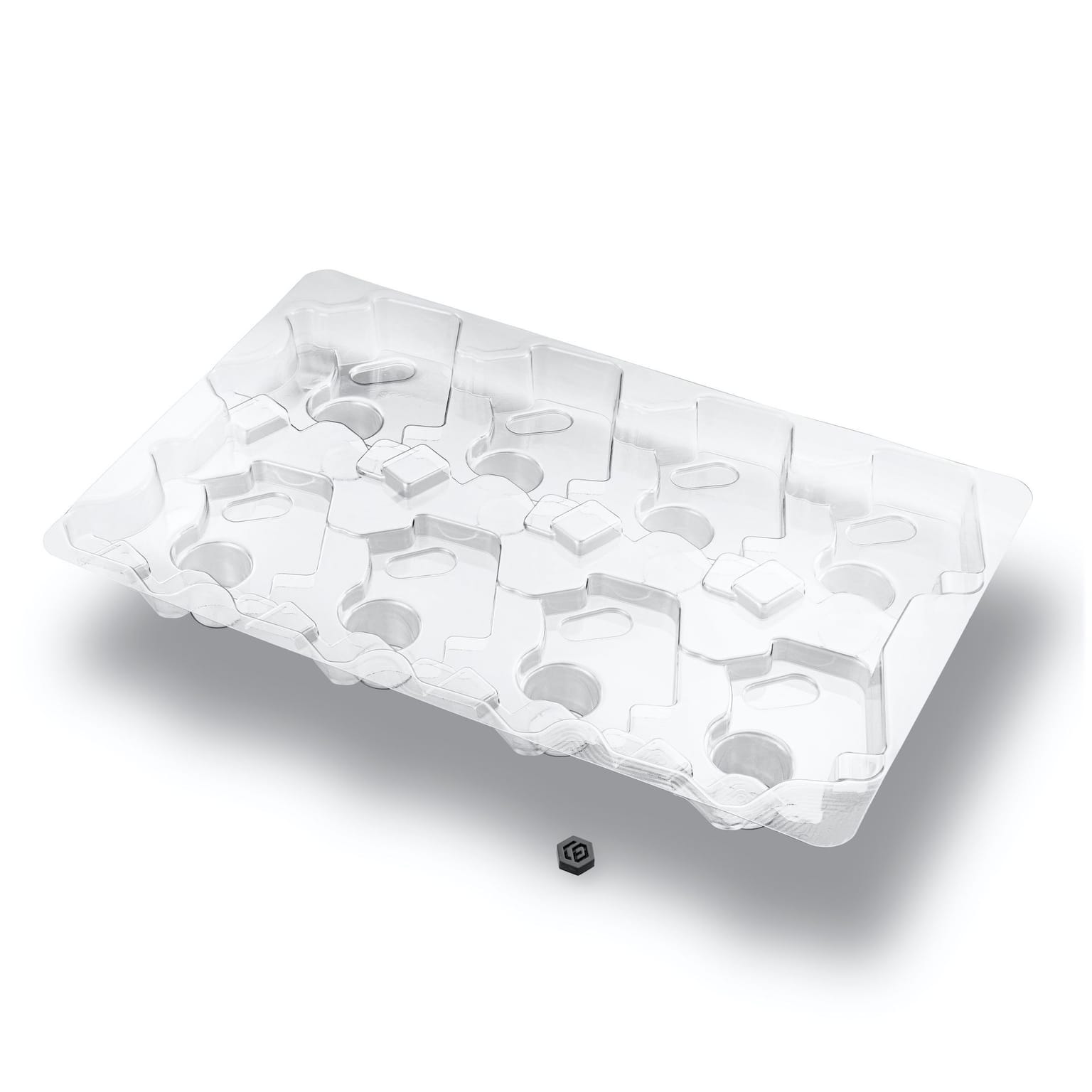
Plastic Trays for Transport and Storage Logistics
Plastic deep-drawn parts optimize logistical processes in the automotive industry through smart packaging solutions. Deep-drawn plastic trays support the safe and damage-free transportation of your supplier or end customer components.
Stackable reusable trays are used in automated systems and ensure sustainable transport logistics as a shuttle packaging solution. Sensitive components can be securely fixed and locked into shape-adapted cavities through precise fitting and clamping mechanisms.
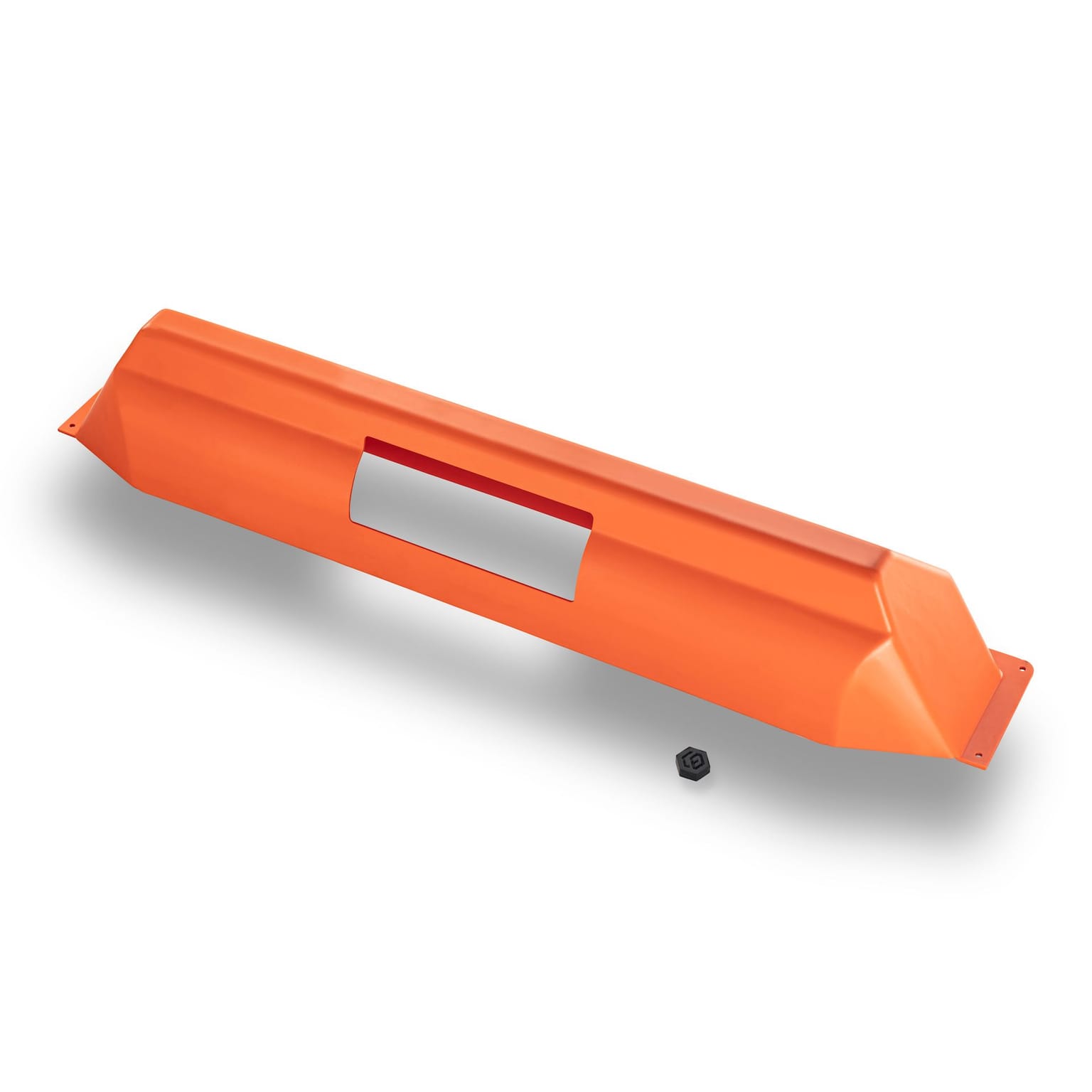
Technical Components for Power and Commercial Vehicles
Plastic deep-drawn parts for automotive are used as interior components in passenger vehicles or exterior panels for commercial vehicles and caravan covers.
As side panels, trunk covers, or display elements, automotive deep-drawn parts made of plastic offer the advantage of low weight combined with application-specific material properties. The use of plastic in automobiles thus brings a variety of benefits.
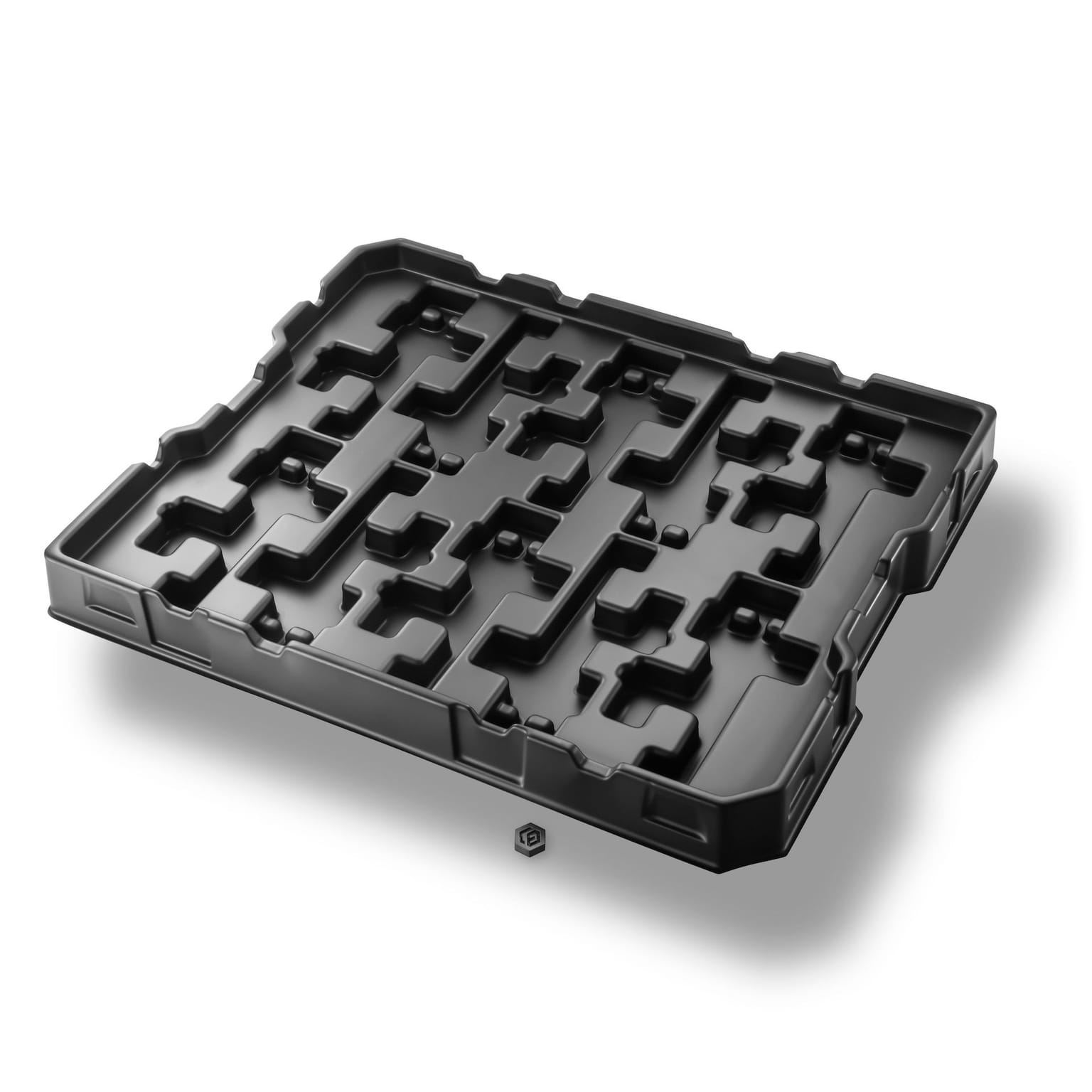
Automotive Deep-Drawn Parts Enable Automated Production Processes
Plastic deep-drawn parts for automotive are used for the automated handling of your products in the production environment. The trays are designed to allow optimal processing through the various stages.
Through the use of robots, conveyor belts, and palletizers, the tray must meet specific tolerance requirements and be developed precisely for the specific application.
Advantages of thermoformed plastic parts in the automotive industry

Lightweight & sturdy
Plastic automotive thermoformed parts improve ergonomics, reduce system costs, and support the efficiency of modern vehicle designs.

Design freedom
Precision thermoformed parts can be used to create complex geometries, functional surfaces, and customized color designs.

Economically
Plastic automotive solutions are particularly economical for small and medium series production and in change cycles. Thermoforming in the automotive industry reduces tooling costs and allows for quick adjustments during development.

Robust in everyday use
Depending on the material used, thermoformed parts are chemical-resistant, abrasion-resistant, and durable. This means they meet the high requirements of the automotive industry.

Scalable
Deep-drawn parts for the automotive industry can be scaled quickly. Iterations in development and pre-production can be implemented efficiently without losing time in the supply chain.

Many plastic options
Depending on requirements, the automotive sector offers a wide range of thermoplastics to choose from.
Product Examples of Thermoformed Parts for Automotive


Automotive Deep-Drawn Parts - Common Materials in Use


Your advantages with formary for thermoformed automotive plastic solutions
formary is your digital manufacturer for plastic thermoformed parts in the automotive sector.

Flexible Supply Chains
With a large production network, available capacity for your automotive plastic parts is always ensured, and your supply chain is protected.

Industry Expertise
formary knows the nationwide partner who specializes in your automotive application.

Quality & Reliability
All formary companies are ISO 9001:2015 certified. Additionally, we provide test reports, material data sheets, and certificates for your products.

Improved Manufacturing Process
Enable transport tray automation for fast, smooth component assembly and efficient logistics.

FAQ – Frequently asked questions about thermoformed plastic parts in the automotive industry
How are automotive plastic parts manufactured?
At formary, we manufacture plastic parts for the automotive sector using thermoforming, also known as plastic thermoforming. To find out how this process compares to injection molding, read our blogpost Injection Molding vs. Thermoforming.