What Are Plastic Additives? Functions & Properties Explained
Plastics alone rarely meet all the requirements of industrial applications. It is only through the use of specific additives that materials become robust, flexible, or durable. This is exactly where additives come into play. They specifically alter the properties of plastics, making them suitable for specific applications in the first place.
Simon Andreß
Updated on June 2, 2026
Share
Plastic Additives - Key Points at a Glance
Plastic additives are substances added to plastics to specifically improve their properties
Additives influence the mechanical, thermal, and optical properties of plastics
Typical examples of plastic additives include lubricants, stabilizers, and flame retardants
Additives are chemical substances added to plastics in small quantities to specifically alter their properties. They enable materials to be tailored to specific requirements such as flexibility, durability, or surface behavior.
Why are simple plastics sometimes not enough?
Plastics can already meet many requirements, but additives are used when one wants to further improve the properties and adapt them to the intended use. They are typically added during manufacturing as part of the compounding process. This ensures uniform distribution within the material and reliably achieves the desired effect.
What types of plastic additives are there?
There is a wide variety of plastic additives, each of which serves a different function and specifically influences certain material properties.
Lubricants
Lubricants reduce friction between plastic surfaces. This improves processing and reduces wear on components.
Anti-blocking agents
Anti-blocking agents prevent plastic surfaces from sticking together. They are primarily used in plastic films to make them easier to process and stack.
Antistatic agents
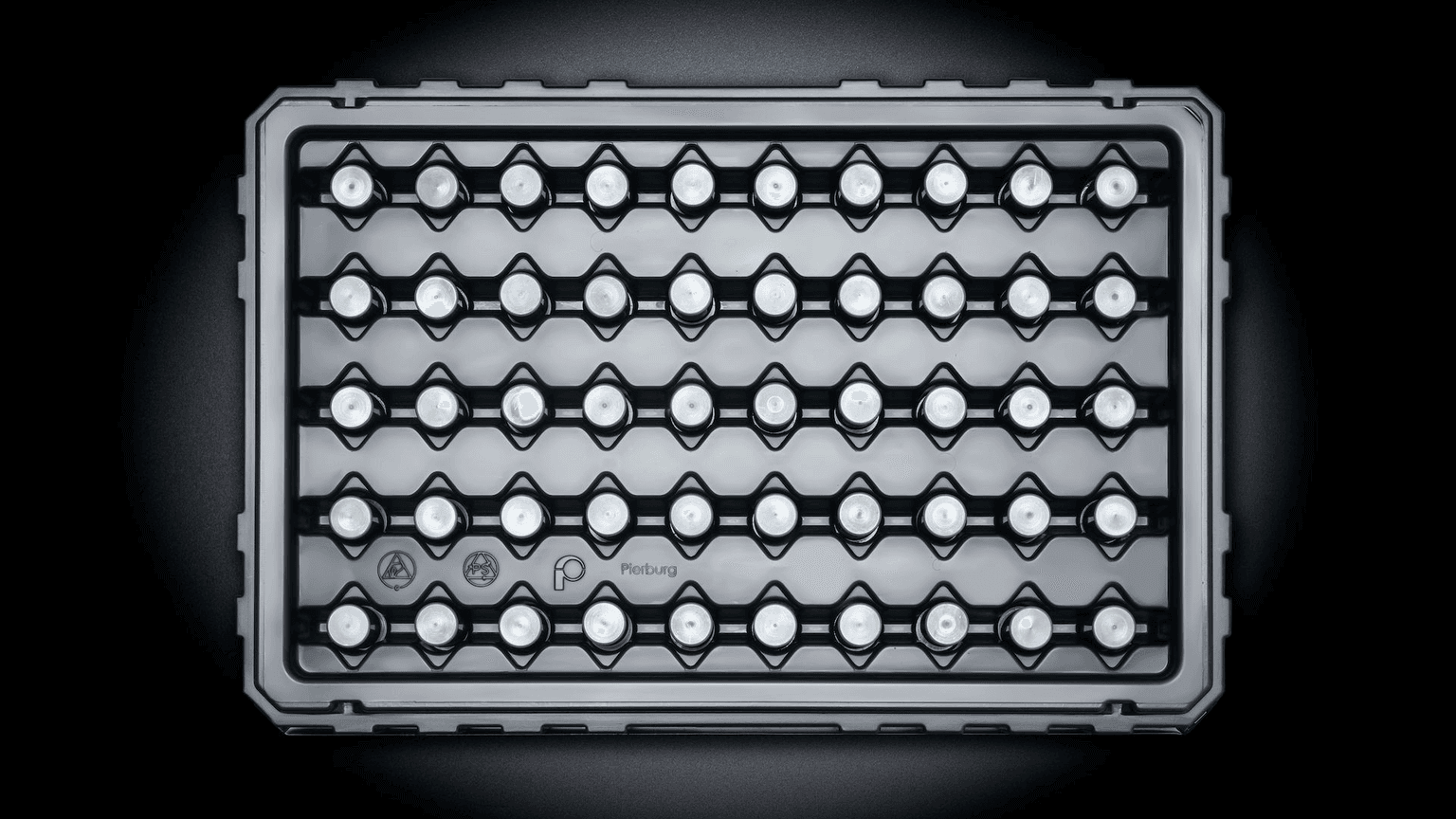
Antistatic agents reduce electrostatic charge by increasing the surface conductivity. This prevents dust or dirt from being attracted. For electrical dissipation, conductive additives such as carbon black, carbon fibers, or stainless steel fibers are used, which are particularly relevant where ESD protection is required.
Flexibilizers and Plasticizers
These additives increase the flexibility and toughness of plastics. They make the material softer and improve its mechanical properties.
Flame retardants
Flame retardants reduce the flammability of plastics. They enhance the safety of components exposed to high temperatures or fire. Mineral fillers such as talc are used for this purpose.
Additives for laser marking
These additives improve the quality and legibility of laser markings. They ensure better contrast and more precise marking.
Release agents
Release agents reduce adhesion between the plastic and the thermoforming tool. This facilitates demolding and makes production more efficient.
Colorants
Colorants give plastics a desired color or alter their optical properties. These include pigments and dyes.
Stabilizers
Stabilizers protect plastics from external factors such as UV radiation, heat, or chemical stress and extend the service life of components. To increase mechanical stability and stiffness, glass fibers can also be added; these reinforce the material but also affect its shrinkage behavior during cooling.
Antibacterial Agents and Fungicides
These additives inhibit the growth of bacteria and fungi on the surface. They are primarily used in sensitive areas such as medicine or food packaging
Welche Kunststoffe eignen sich für den Einsatz von Additiven?
ABS and ASA are commonly used for robust and weather-resistant applications because they can be effectively adapted with stabilizers and impact modifiers. HD-PE and PP are suitable for cost-efficient and chemically resistant solutions and are often optimized with lubricants or antistatic agents.
PC and PMMA are used when high strength and transparency are required, while PET-A and PET-G are particularly suitable for packaging. PS and PVC are versatile and can be flexibly adapted to technical requirements through additives. The decisive factor is the desired property of the component.
💡 You can see what distinguishes the different thermoplastics and which applications they are used for in the material guide.
Overview of Typical Application Areas for Plastic Additives
Components with high material resistance to cleaning agents
💡 For use in medical technology, surface finishes can also be applied to meet functional and hygienic requirements. The advantages: improved cleanability, reduced microbial contamination, and the possibility of properties such as EMC protection, flame retardancy, and UV resistance. More information can be found under surface optimization in medical technology.
Packaging Industry
Plastic films with anti-blocking agents for improved stackability
Components with high heat resistance due to stabilizers
Covers with defined optical properties
Mechanical Engineering
Covers and protective housings with UV and temperature stabilizers
Molded parts with release agents for efficient mass production
Technical components with enhanced mechanical stability
Functional surfaces with optimized tactile and visual properties
💡 Are you unsure which plastic is suitable for your project? You can find out how to identify the right material for your application in the material guide.
What are the benefits of plastic additives?
Targeted improvement of mechanical, thermal, and optical properties
Longer service life of components thanks to protection against UV radiation, heat, and chemicals
Improved processability and more stable production processes
Reduced friction and lower wear
Increased safety through flame retardancy and antistatic properties
Optimized surfaces for function and appearance
Adaptation to specific applications and industry requirements
Improved Performance Through Plastic Additives - A Summary
Additives are a key component of plastic solutions and thermoforming projects. They determine how effective a material is and whether it meets the requirements of a given application.
If you use or develop plastic thermoformed parts, you should consider selecting the right additives early on. This will help you avoid problems later on and ensure the quality of your components. Contact us, we’d be happy to advise you!
FAQ - Frequently Asked Questions About Plastic Additives
Additives are used to specifically modify properties such as flexibility, durability, and surface characteristics. They make plastics suitable for specific applications and optimize their performance in use.
The most common plastic additives include stabilizers, plasticizers, flame retardants, and colorants. They meet the most important requirements in industry and everyday life.
Plastic additives are always necessary when standard plastics are not sufficient. For example, in cases of high temperatures, UV exposure, or specific mechanical requirements.
Additives can increase material costs, but they often lead to savings through improved durability, less scrap, or more efficient processing. For tips on how to reduce costs, see the Guide to Cost Reduction in Deep Drawing.
Yes, additives can affect recyclability. Some additives make recycling more difficult, while others have been specifically designed to support or improve recycling processes.
Related content
News
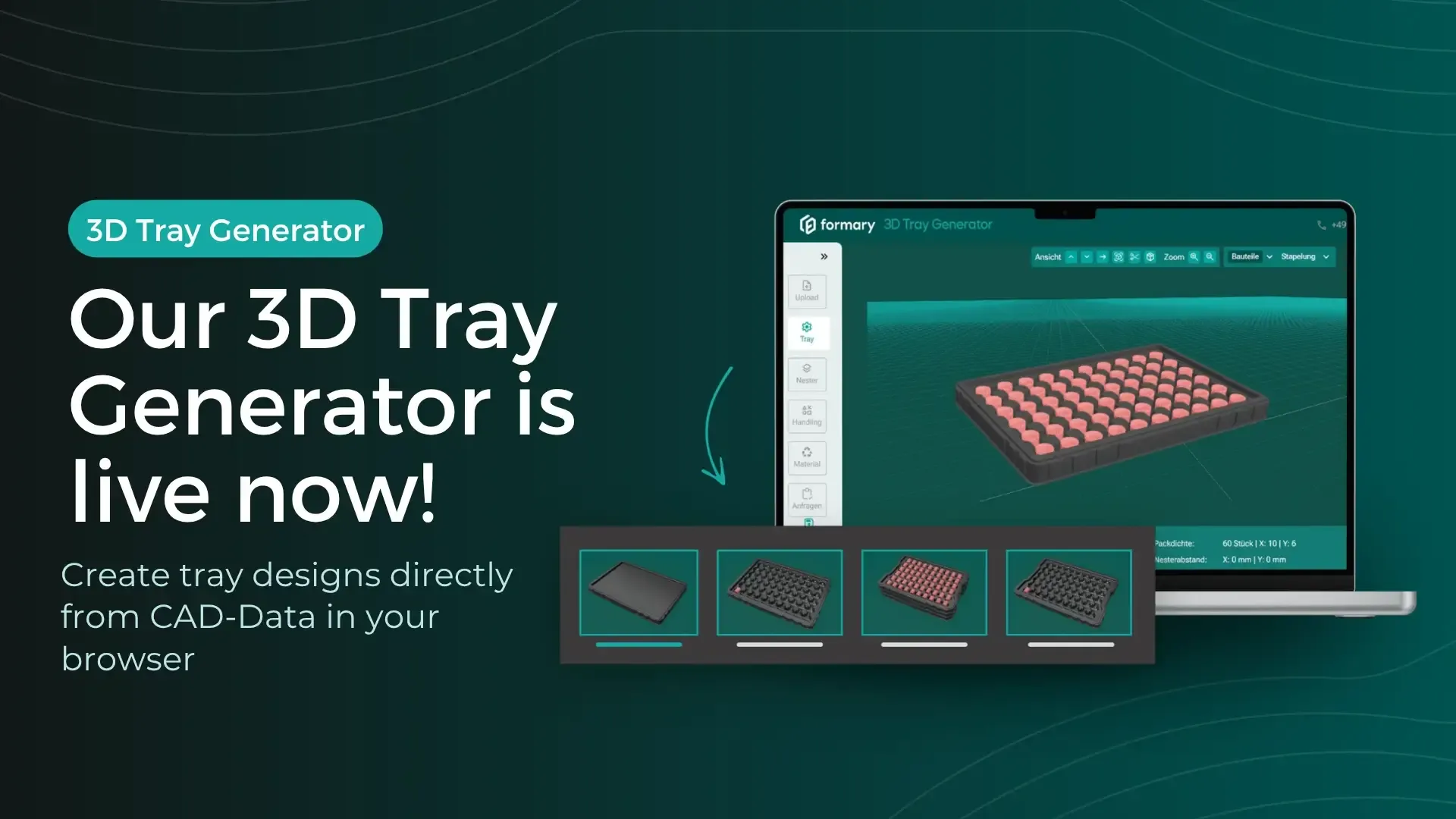
Now live: Create Tray Designs Directly from CAD Data in Your Browser
Planning plastic trays for transport, storage, or automated manufacturing processes often starts with one key question: what should a suitable tray for the component actually look like? This is exactly what the new web-based 3D Tray Generator answers within seconds. Learn more in this article.
Thermoformed Parts in Practice
What Is a Workpiece Carrier? Definition & Applications
A constant challenge in the manufacturing industry is efficiently managing material flow throughout all assembly stages and departments. These logistical challenges can be optimally addressed by using product-specific workpiece carriers. Learn more in this article.
Platform & Features
Project Planning in Thermoforming – From Concept to Mass Production
From the initial idea to mass production, various factors must be considered in thermoforming project planning, including material selection, tool manufacturing, and quality control. This article provides a detailed look at how a thermoforming project with formary is executed.
Thermoformed Parts in Practice
Automation of Production - How Trays Support Automation in Industry 4.0
Trays for automation are workpiece carriers that pass through an automated industrial system or production line, fulfilling various functions along the way.
Thermoformed Parts in Practice
Design Guidelines for Plastic Thermoformed Parts – Top 13 Tips for Plastic-Optimized Construction
Plastic thermoforming is shaped by factors like material quality, temperature, pressure, speed, and tool geometry. With the right design principles, you can prevent errors in CAD and production. formary has gathered key tips to help you optimize your thermoformed parts.
Thermoformed Parts in Practice
Warehouse Inventory: Tips & Tricks for Better Warehouse Organization and Efficiency with Trays
Warehouse inventories cost time, tie up staff, and often disrupt ongoing operations. This is especially true for small parts, serial components, or recurring components, where counting quickly becomes confusing if parts are stored loose in boxes or shelf compartments. Standard trays create a simple yet effective structure here for better warehouse organization. This article shows how trays optimize inventory counts in both the warehouse and production.
Thermoformed Parts in Practice
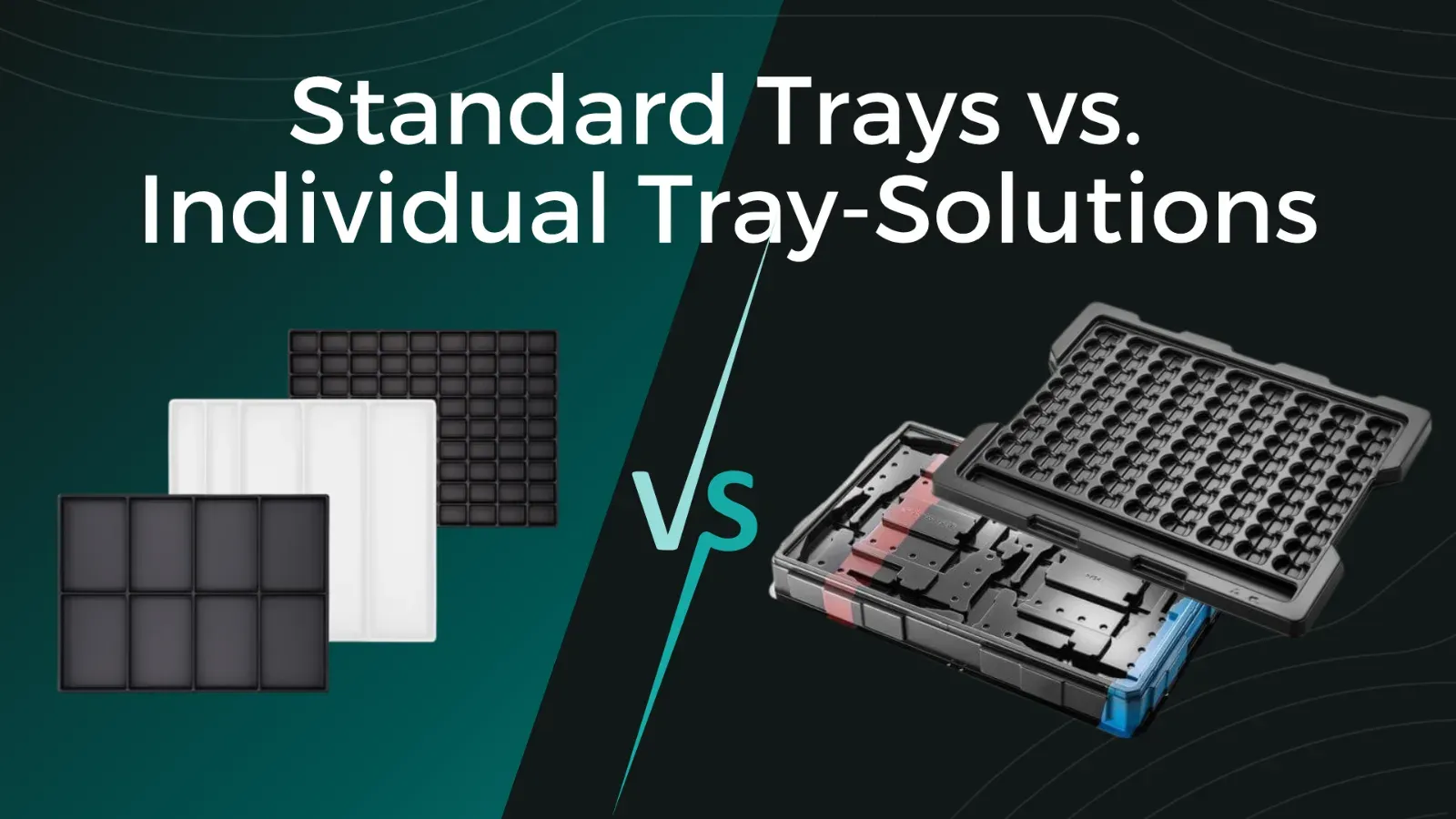
Standard Trays vs. Custom Tray Solutions: Which Option Is Best for Your Project?
Anyone sourcing plastic trays for transport, storage, or production quickly faces the question: choose a standard tray from the catalog or have a custom solution developed by a thermoforming specialist? Both options have their place. The right choice depends on the component, quantity, budget, and project requirements. This article explains which option is the right one for you.
Thermoformed Parts in Practice
Checklist: 10 Details a plastic thermoformer needs from you
You’re planning to source plastic thermoformed parts and want to submit a request for a quote. But what information does a thermoforming supplier really need to provide you with a meaningful quote? Incomplete requests lead to follow-up questions, delay the quoting process, and complicate the technical evaluation. If you provide the right information from the start, you’ll receive a reliable estimate faster and avoid unnecessary back-and-forth.
Thermoformed Parts in Practice
Thermoforming Tool for Plastic Thermoformed Parts: Structure, Types, and Manufacturing
Plastic thermoforming is a process in which a plastic sheet or film is heated and shaped over a mold to create various three-dimensional objects. A crucial element in the thermoforming process is the tooling used to achieve the desired shape.