Project Planning in Thermoforming – From Concept to Mass Production
From the initial idea to mass production, various factors must be considered in thermoforming project planning, including material selection, tool manufacturing, and quality control. This article provides a detailed look at how a thermoforming project with formary is executed.
Sarah Guaglianone
Updated on October 2, 2026
Share
Project Planning in Thermoforming – Key Points at a Glance
formary supports thermoforming projects from the initial enquiry right through to series production – quickly, precisely and cost-effectively.
Four prototyping options (3D printing, urethane, partial-segment moulds and production moulds) ensure prototypes and tests are a perfect fit.
You will receive your quote within 24 hours; production is carried out by certified DACH partner companies.
How does a Thermoforming Project Progress from Development to Series Production?
With formary, you have a reliable partner at your side who optimizes the entire process and finds the best possible solution for your specific requirements. We'll show you how the process of a thermoforming project is structured at formary and which steps are necessary to successfully realize your custom plastic parts.
Co-founder Lisa-Marie Bittner explains the exact project workflow in this video:
By playing the video, you agree that your data will be transmitted to YouTube and that you have read the Privacy Policy.
Markings such as texts and symbols, Poka-Yoke, color stripes
Dimensions (length x width x height)
Additional information relevant to the project (latest quotation date, specific application, etc.)
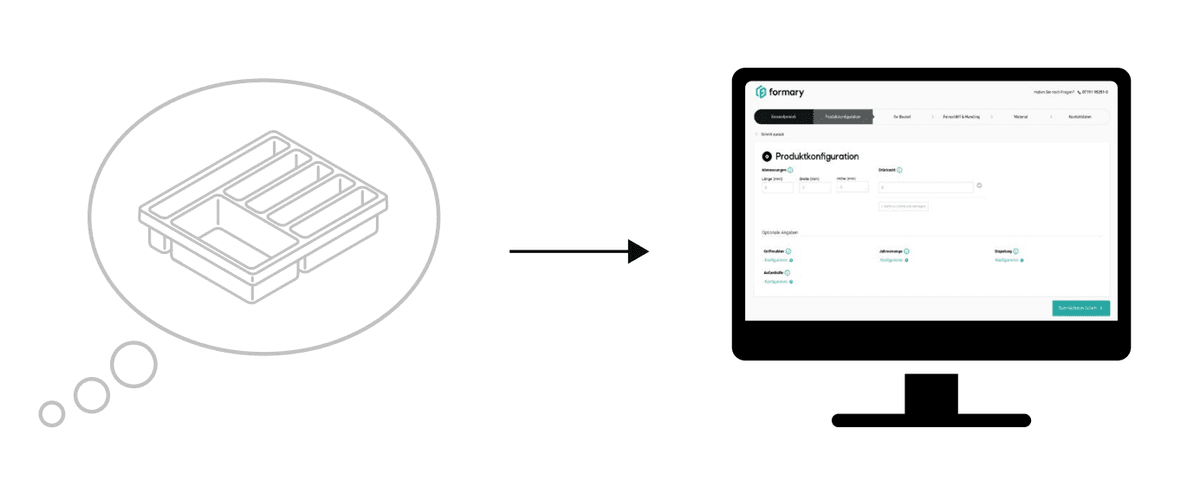
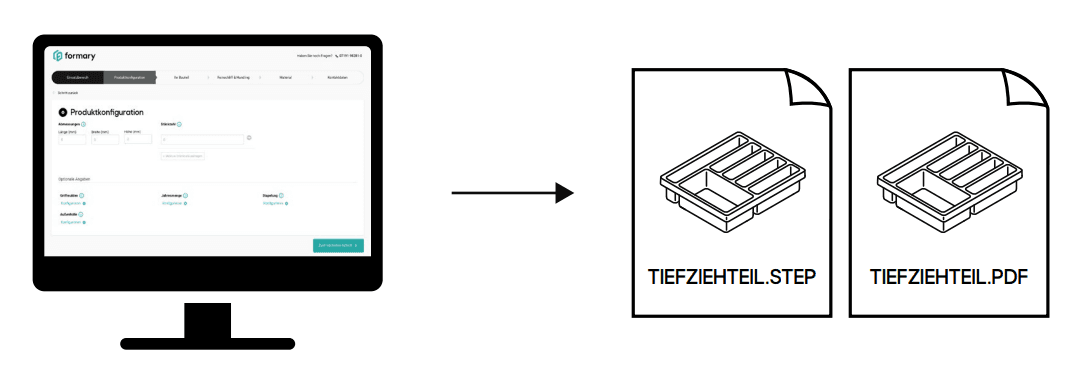
Enter your requirements in our configurator and submit your inquiry.
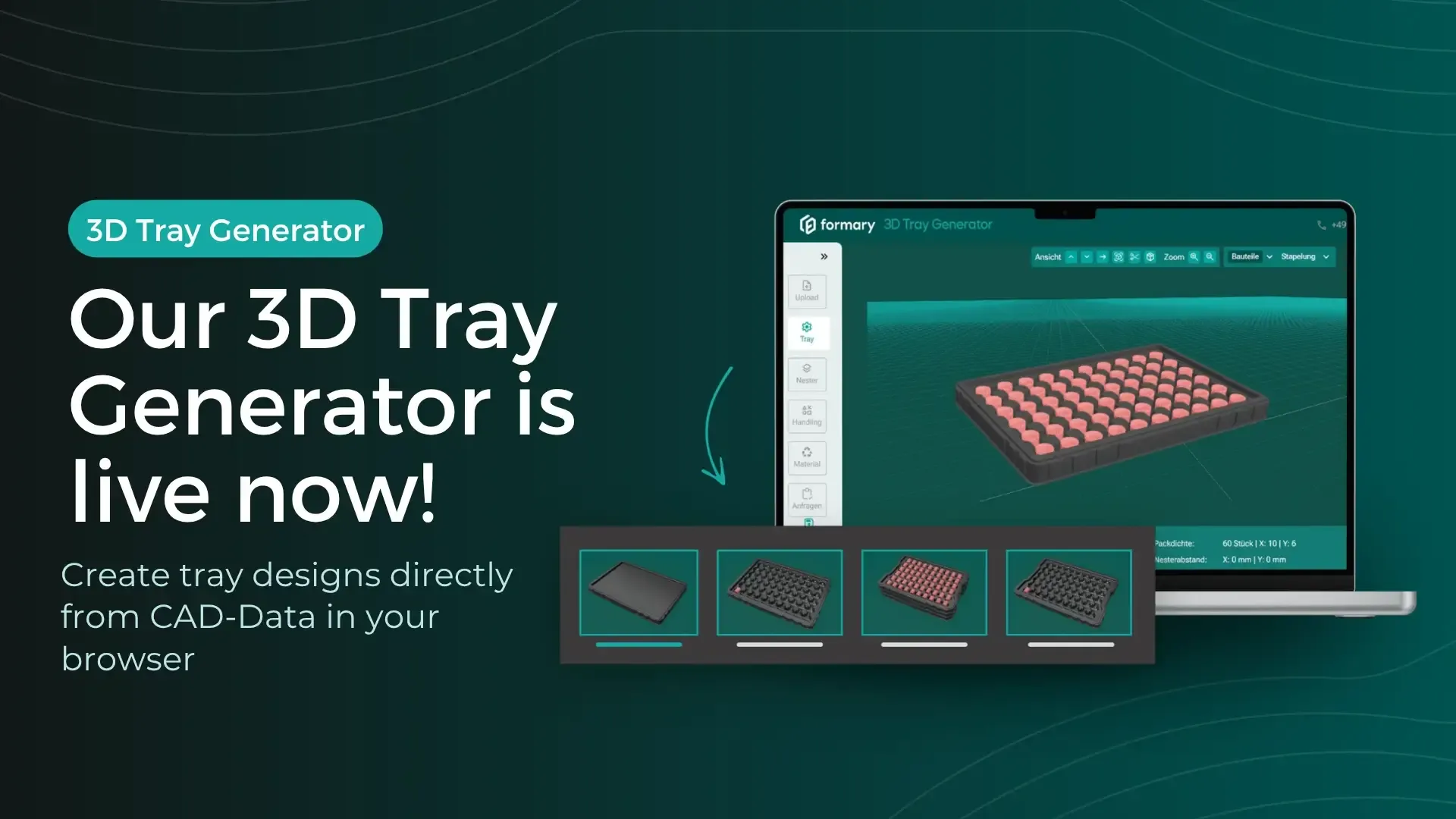
ℹ️ Tip: If you are currently planning a tray project, you can also create an initial tray concept with our 3D Tray Generator. You can request this directly via the tool.
2. Feasibility Check
Here we check whether the part can be thermoformed and which design points need to be clarified in advance. Typical focal points of a Design for Manufacturing review are:
Draft angles: walls that are too steep cannot be demolded.
Undercuts: possible, but expensive, because slides or additional tools are required.
Wall thickness distribution: during thermoforming, the material stretches, thin wall areas occur especially in deep corners.
Radii: inner radii that are too small lead to stresses and cracks.
Tolerances: Slight dimensional deviations can occur during the thermoforming process. Therefore, the maximum possible tolerances for production must be considered.
ℹ️ We check your data with our DfM analysis software. We'd be happy to show you in a demo how you can use this for your project even as a thermoforming novice.
By playing the video, you agree that your data will be transmitted to YouTube and that you have read the Privacy Policy.
3. Quotation
We check your data for feasibility and implementation and calculate a quotation for your thermoformed part within 24 hours. This contains the following information:
Tooling costs (one-time): depend on size, number of cavities, and tool material.
Part price (per piece): depends on material, sheet thickness, cycle time, downstream processes, and quantity.
Delivery time for initial samples and for series production.
At the same time, we also make suggestions for suitable sampling options and prototype production.
4. Data Approval
Upon order, we create the design of the thermoformed part based on your specific needs. We make sure that we have understood all your requirements in order to design the best cost-benefit optimized thermoformed part.
If necessary, we select the optimal combination of material, stability, and tool design. You approve the design, and we can start sampling your individual prototype.
ℹ️ Find out what you need to bear in mind when sharing data in our article Sharing design data.
5. Tooling and Sampling
Depending on your deadline, you will receive samples for the most suitable option. There are four sampling methods, each chosen based on the purpose of the sample.
3D-Printed Thermoforming Tools
Ideal for fast sampling of small part segments. However, due to high temperatures and stress, only a few samples (1-3 pieces) can be produced.
Max. number of samples: 1-3 pieces
Production time: 3-5 business days
Cost:€€€€€
Best for: Form-fit tests, short-term prototypes, and small series in standard materials.
Samples from Ureol Tooling
Ureol prototype tools allow for near-series thermoformed parts comparable to aluminum tooling. However, Ureol is less heat- and pressure-resistant, limiting production to 5-10 samples.
Max. number of samples: 5-10 pieces
Production time: 1-2 weeks
Cost:€€€€€
Best for: Near-series prototypes with higher durability than 3D-printed tools.
Samples from Partial-Series Tooling
A partial-segment aluminum tool enables realistic testing while reducing costs compared to full series production. It serves as an intermediate step toward the final series tool, requiring additional manufacturing time.
Max. number of samples: Infinite
Production time: 2-3 weeks
Cost:€€€€€
Best for: Samples from partial segment tools provide optimal series accuracy.
Samples from Full-Series Tooling
Aluminum series tools enable the production of approval samples under optimal conditions. For high quantities, multi-cavity tools are the most cost-effective option.
Max. number of samples: Unlimited
Production time: 2-6 weeks (up to 10 weeks depending on size and complexity)
Cost:€€€€€
Best for: Mainly intended for final product approval prior to the start of series production; less suitable for early test samples.
ℹ️ You can find out more about deep-drawing prototypes in our article Rapid Prototyping.
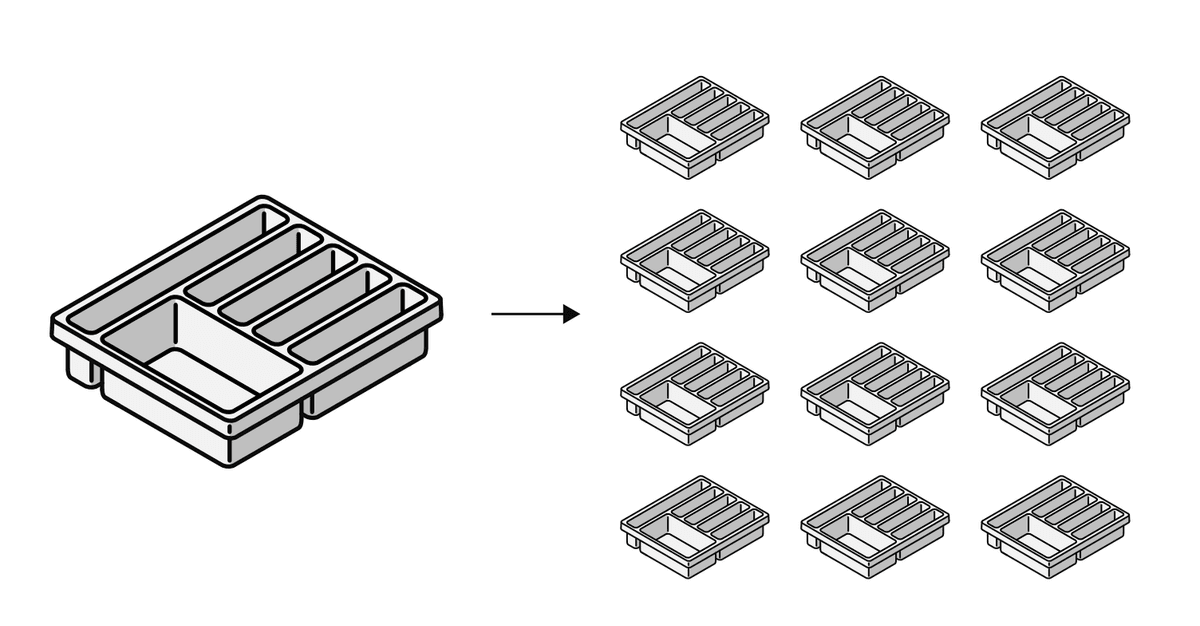
6. Sample Approval and Series Production
After successful sampling and any necessary adjustments, mass production begins. Depending on the material, tooling design, and production capacity, the lead time from approval to delivery is approximately 3-5 weeks. Production is carried out using high-quality aluminum series tools on automated production systems.
7. Shipping
After a thorough quality inspection, your series production is prepared for shipment. Our logistics team ensures that your delivery arrives on time and in perfect condition.
Project Planning in Thermoforming with formary - A Summary
Not all phases can be accelerated. Tooling takes physical time, initial sample inspection requires care. What can be shortened with formary as a B2B platform:
Large supplier network: Your inquiry is directly matched with the right partner from the formary supplier network. This way, you can always access capacity from certified companies in the DACH region.
Quotation phase: You receive a quotation within 24 hours if the inquiry is complete.
DfM loops: Our automated DfM analysis reflects the critical points directly after upload.
Tray concepts: With the 3D Tray Generator, you can create an initial tray concept in seconds instead of weeks.
Single Point of Contact: You have one contact person throughout all phases, even if multiple manufacturers are working in the background.
Are you currently planning your thermoforming project? Then contact us - we support you from idea to implementation.
Frequently Asked Questions About Project Planning in Thermoforming
formary carries out projects in six steps: inquiry, review & quote, data approval, prototyping, mass production, and shipping, with clear timelines and cost estimates.
There are four options: 3D printing tool, Ureol tool, partial-segment series tool, and series tool, depending on the schedule and pattern requirements.
The ordering process consists of seven steps: inquiry with CAD data, quantity, and material; design for manufacturability (DfM) review; quote including mold and part prices; data approval; mold production and sample testing; series production following sample approval; and finally, shipping. At formary, you’ll receive a quote within 24 hours.
formary provides a quote within 24 hours. Depending on the tooling option, initial prototypes are ready in 3 days to 3 weeks, and series production begins 3–5 weeks after prototype approval. Overall, a typical project takes about 6–8 weeks from inquiry to the start of series production.
Related Content
News
Now live: Create Tray Designs Directly from CAD Data in Your Browser
Planning plastic trays for transport, storage, or automated manufacturing processes often starts with one key question: what should a suitable tray for the component actually look like? This is exactly what the new web-based 3D Tray Generator answers within seconds. Learn more in this article.
Thermoformed Parts in Practice
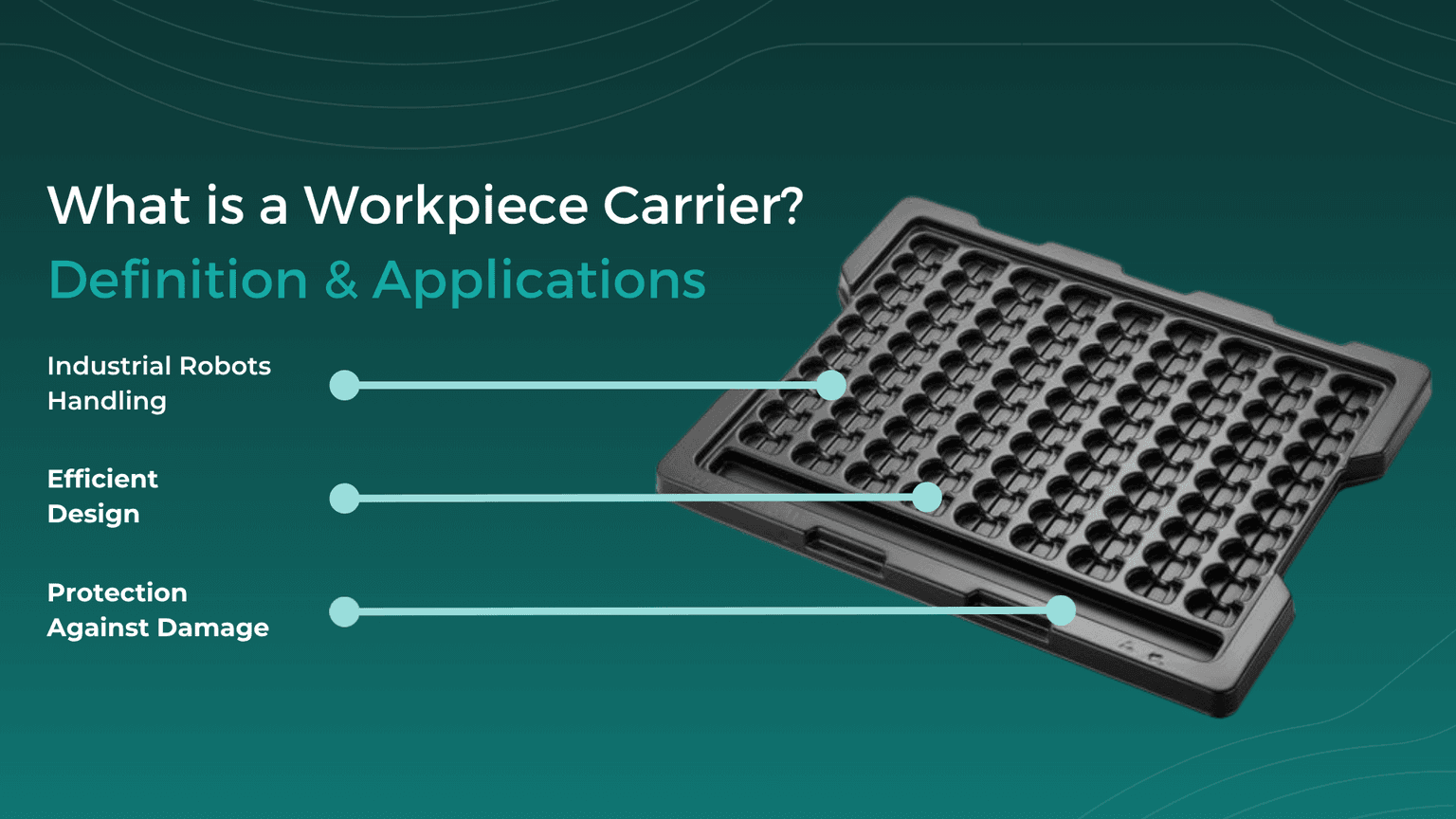
What Is a Workpiece Carrier? Definition & Applications
A constant challenge in the manufacturing industry is efficiently managing material flow throughout all assembly stages and departments. These logistical challenges can be optimally addressed by using product-specific workpiece carriers. Learn more in this article.
Platform & Features
Project Planning in Thermoforming – From Concept to Mass Production
From the initial idea to mass production, various factors must be considered in thermoforming project planning, including material selection, tool manufacturing, and quality control. This article provides a detailed look at how a thermoforming project with formary is executed.
Thermoformed Parts in Practice
Automation of Production - How Trays Support Automation in Industry 4.0
Trays for automation are workpiece carriers that pass through an automated industrial system or production line, fulfilling various functions along the way.
Thermoformed Parts in Practice
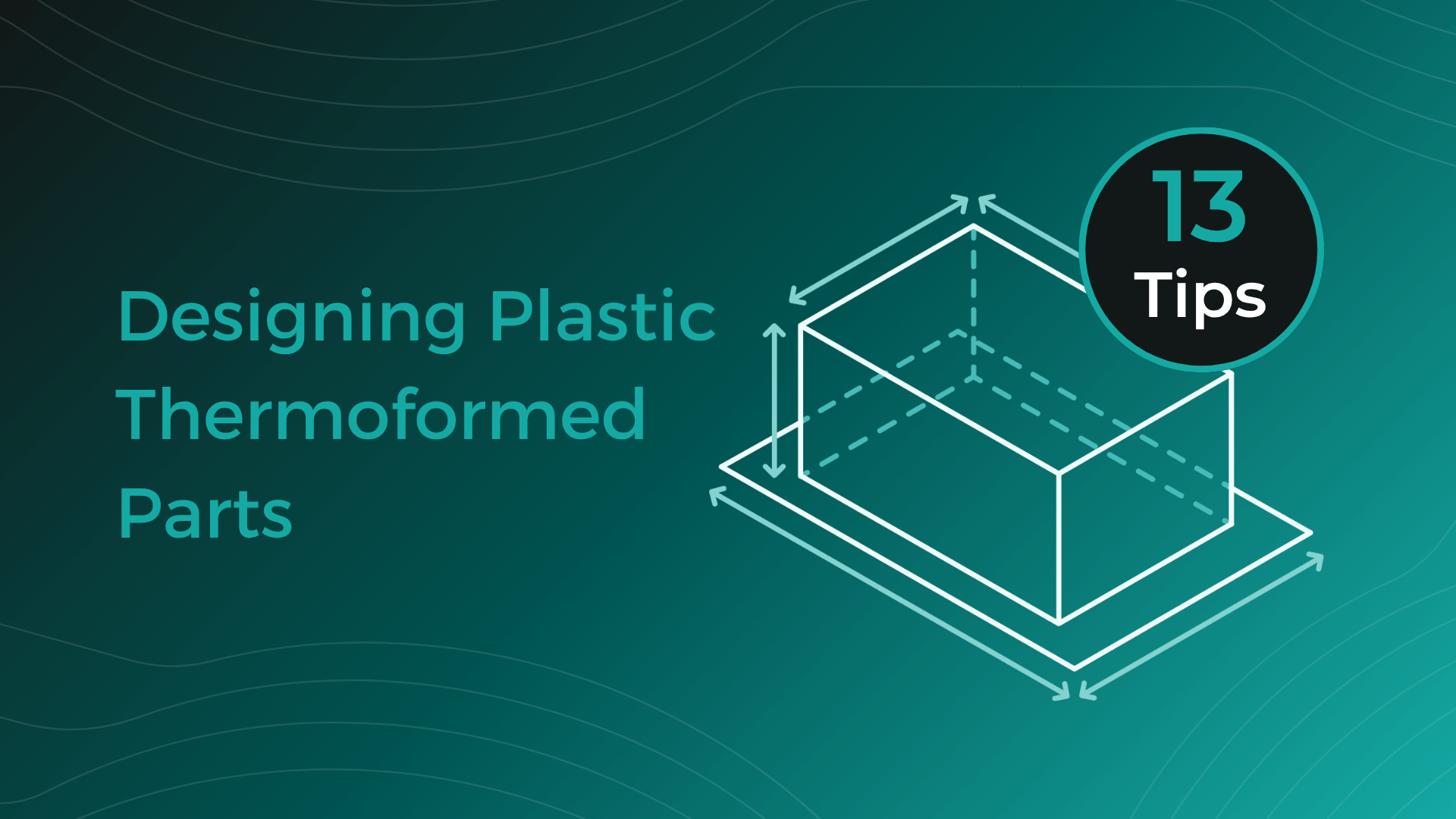
Design Guidelines for Plastic Thermoformed Parts – Top 13 Tips for Plastic-Optimized Construction
Plastic thermoforming is shaped by factors like material quality, temperature, pressure, speed, and tool geometry. With the right design principles, you can prevent errors in CAD and production. formary has gathered key tips to help you optimize your thermoformed parts.
Thermoformed Parts in Practice
Warehouse Inventory: Tips & Tricks for Better Warehouse Organization and Efficiency with Trays
Warehouse inventories cost time, tie up staff, and often disrupt ongoing operations. This is especially true for small parts, serial components, or recurring components, where counting quickly becomes confusing if parts are stored loose in boxes or shelf compartments. Standard trays create a simple yet effective structure here for better warehouse organization. This article shows how trays optimize inventory counts in both the warehouse and production.
Thermoformed Parts in Practice
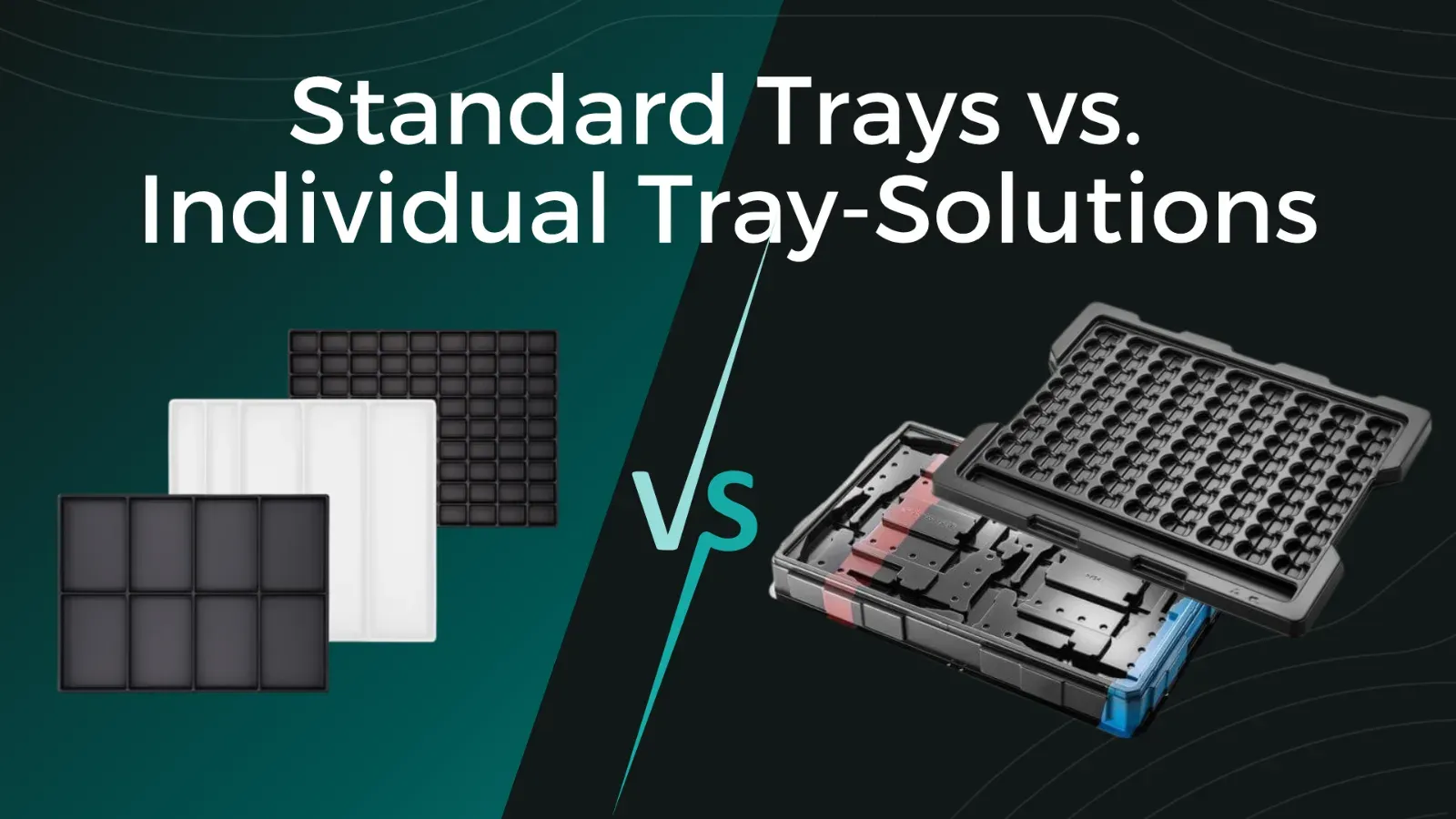
Standard Trays vs. Custom Tray Solutions: Which Option Is Best for Your Project?
Anyone sourcing plastic trays for transport, storage, or production quickly faces the question: choose a standard tray from the catalog or have a custom solution developed by a thermoforming specialist? Both options have their place. The right choice depends on the component, quantity, budget, and project requirements. This article explains which option is the right one for you.
Thermoformed Parts in Practice
Checklist: 10 Details a plastic thermoformer needs from you
You’re planning to source plastic thermoformed parts and want to submit a request for a quote. But what information does a thermoforming supplier really need to provide you with a meaningful quote? Incomplete requests lead to follow-up questions, delay the quoting process, and complicate the technical evaluation. If you provide the right information from the start, you’ll receive a reliable estimate faster and avoid unnecessary back-and-forth.
Thermoformed Parts in Practice
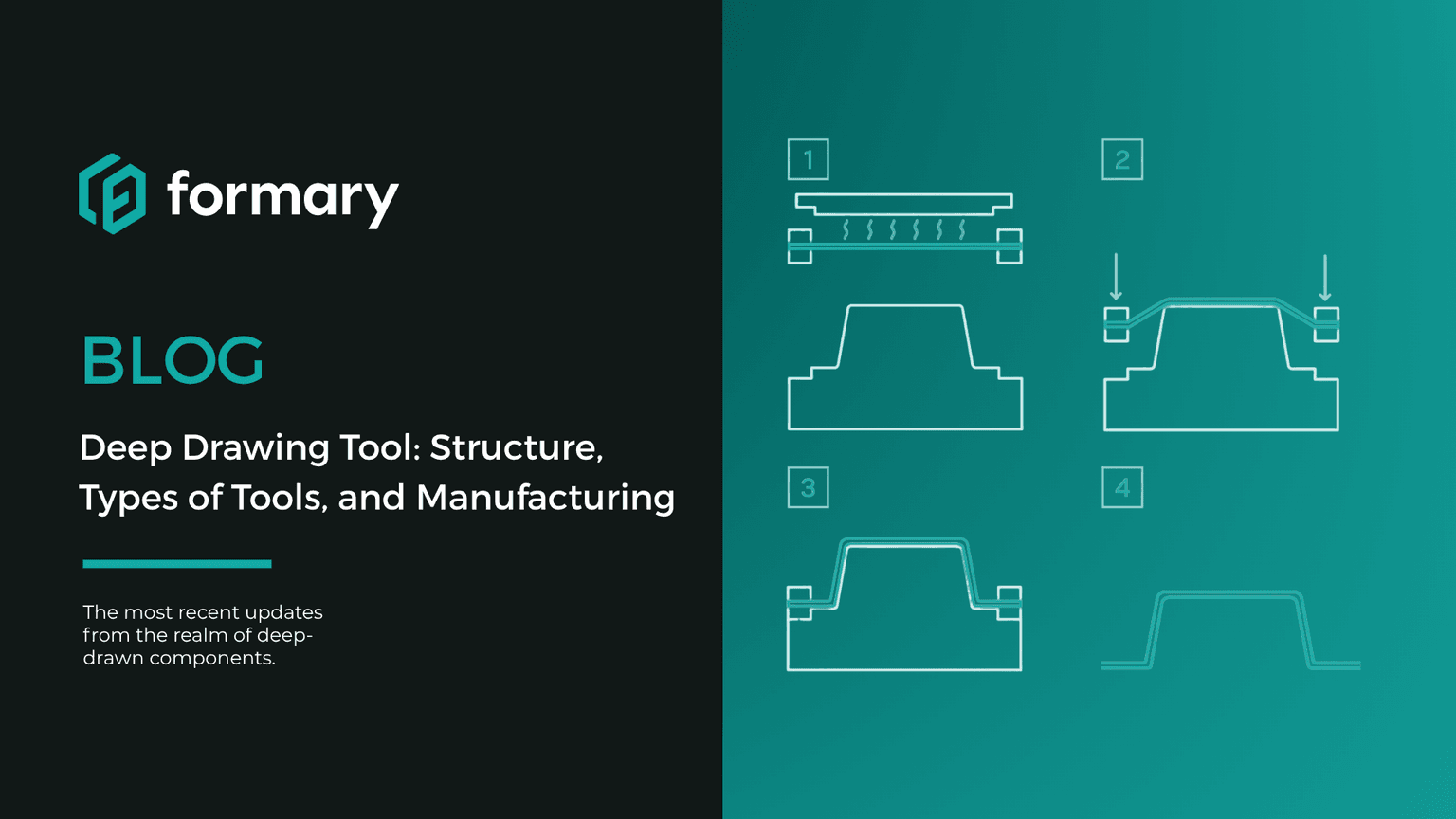
Thermoforming Tool for Plastic Thermoformed Parts: Structure, Types, and Manufacturing
Plastic thermoforming is a process in which a plastic sheet or film is heated and shaped over a mold to create various three-dimensional objects. A crucial element in the thermoforming process is the tooling used to achieve the desired shape.