The Biggest Challenges for Manufacturing Companies & Supply Chain Management in 2026
Supply chains have never been as complex and volatile as they are today: geopolitical tensions, capacity bottlenecks, rising raw material prices worldwide, and national energy costs. Companies that want to remain competitive must reassess their supply chain management (SCM).
Sarah Guaglianone
Updated on July 2, 2026
Share
Current Challenges in Procurement & Supply Chain Management – Key Takeaways
Increasing time pressure: Product life cycles continue to shorten, while quotation and development processes in many companies – including smaller ones – take too long.
Growing supply chain risks: Corporations and large SMEs increasingly rely on multi-sourcing and early warning systems to mitigate geopolitical risks and disruptions.
Lack of cost transparency: Prices and manufacturability are opaque; fragmented manufacturing markets make quotation comparisons difficult – often the most efficient supplier is not selected.
Rising quality management (QM) risks: Inspection reports are missing; QM responsibilities and certifications are unclear. Manufacturing topics such as tolerances and surfaces are clarified too late.
Unclear project status: Without digital tracking, order processes remain intransparent. Delays are communicated too late.
Lack of technical consulting: Suppliers too often act purely as contract manufacturers without advising on design, materials, or application.
What Are the Biggest Supply Chain Management Challenges in 2026?
The new year 2026 will confront procurement in manufacturing companies with profound changes. This applies in particular to the growing supply chain management challenges – ranging from global dependencies to massive planning volatility. The most significant challenges include:
Increasing time pressure
Unstable supply chains
Lack of end-to-end transparency
Rising cost pressure
High quality and documentation requirements
Missing technical consulting
More details in the sections below.
1. Time Pressure Due to Shorter Product Life Cycles
Product life cycles are becoming shorter, while many quotation and procurement processes are outdated. Time-consuming manual coordination, a lack of automation, and lengthy internal approval steps delay quotations, lead times, and production releases.
To address these challenges, companies are increasingly adopting scenario simulations and automated forecasting processes to better plan tooling and material capacities and optimize procurement processes.
ℹ️ Especially in plastic thermoforming, where tooling costs, material selection and first article inspections are critical, delays occur quickly and can push market launches back by weeks.
2. Supply Chain Risk & Resilience Pressure
Large companies today expect supply chains not only to cope with disruptions but to actively anticipate them. Key developments include:
Multi-sourcing instead of single sourcing
Early warning systems & control towers
Collaborative supplier models
These trends clearly show that companies must actively address supply chain management challenges to secure resilience and competitiveness.
ℹ️ For plastic thermoformed parts, this means companies can no longer rely on single, historically grown suppliers—regardless of location or region. Global supply chains require regional redundancies to minimize geopolitical, logistical, and material supply risks. Otherwise, companies face significant risks, especially in series projects with short time-to-market requirements.
3. Lack of Cost Transparency in the Procurement Market
In many B2B manufacturing processes, including plastic thermoforming, quotations are rarely directly comparable. Key reasons include:
Machinery and automation levels (cycle times, complexity)
Different tooling concepts
Variable costing methodologies
Material strategies (purchasing prices, stock materials, in-house extrusion)
Margin structures depending on current capacity utilization
This lack of price transparency has become an underestimated supply chain management challenge, as it directly affects planning reliability and procurement efficiency. Traditional negotiations are no longer sufficient: companies require data-driven analysis tools, price benchmarks, and manufacturability assessments to make robust decisions.
4. Insufficient Quality Assurance Across the Project Lifecycle
A frequent bottleneck in supply chain management is quality management (QM). Typical issues include:
Unclear QM responsibilities
Missing or incomplete inspection reports
Late definition of critical specifications (tolerances, surfaces, material behavior)
Lack of early warning systems for deviations
The combination of quality risks and supply chain complexity significantly amplifies SCM challenges throughout the entire project lifecycle. Without end-to-end QM processes, uncertainty arises in production and first article inspection, leading to rework, delays, and increased risks in series production.
5. Intransparent Order Processing
Once orders are placed, they often turn into a black box:
What is the project status?
When is the next milestone?
Have approvals been granted?
Without structured project communication and digital traceability, status information is quickly lost. The result is misunderstandings, delayed deliveries, and high internal coordination effort.
In 2026, transparency in supply chains will be a fundamental requirement: control tower models, tracking tools, and real-time data are becoming essential to make risks visible, increase responsiveness, and resolve critical supply chain management challenges.
6. Little to No Technical Consulting
Many manufacturers see themselves merely as executors of CAD data. Active technical consulting often does not take place. Common consequences include:
Technical questions remain unanswered
Special requirements are not reviewed
Lack of material and design optimization
Yet consulting on material selection, design for manufacturability, and application engineering would be a key lever in addressing current procurement challenges and achieving economically and functionally optimal products.
Overview: Key Challenges in Procurement and Supply Chain Management 2026
Challenge
Classification
Impact on Companies
Time pressure & shorter product life cycles
Outdated procurement processes, long quotation and approval cycles slow down projects.
Delayed market entry & rising internal costs
Supply chain & resilience pressure
Geopolitical risks, material shortages, and the need for multi-sourcing and early warning systems.
Greater dependency & risk of unstable supply chains
Lack of cost transparency
Prices, material costs, and manufacturability are difficult to compare; fragmented market.
Unreliable cost calculations & more difficult purchasing decisions
Quality and QA risks
Missing inspection reports, late definition of specifications, and inconsistent quality management.
Higher scrap rates, rework & scheduling risks
Project & process intransparency
Order status often remains unclear due to missing digital tracking.
Increased communication effort; unreliable delivery schedules
Lack of technical consulting
Suppliers often act solely as executors without material or design input.
How formary Systematically Solves These Challenges in the Procurement of Plastic Thermoformed Parts
These procurement challenges are particularly evident in plastic thermoformed parts: missing data, a fragmented supplier market, and major price differences complicate fast and secure decision-making. Rather than applying isolated solutions, formary digitizes and structures the entire procurement process for plastic thermoformed parts.
Accelerated Processes and Reduced Time-to-Market
As a B2B platform, formary fully digitizes inquiry, quotation, and project execution:
As a result, project timelines are significantly shortened. Time-to-prototype is reduced from 6–8 weeks to 2–3 weeks, and overall project duration decreases by up to 70%.
ℹ️ Practical example: The collaboration with iThera Medical demonstrates how effective this acceleration can be. For a new generation of devices, the MedTech company required medical enclosures with demanding technical requirements and extremely short lead times.
formary optimized the design for cost efficiency, flexibly distributed manufacturing across its network, and organized alternative material sources when a supplier failed. The result: on-time, high-precision prototypes despite material shortages – and around 50% cost reduction in the project.
Transparent Costs and Reliable Comparability
formary creates cost transparency through:
AI-powered supplier matching
Direct manufacturer pricing without hidden markups
Uniformly structured quotations in the customer portal
Procurement teams gain reliable decision-making data and reduce project costs by up to 30%.
Inquiry, quotation, and execution are fully digitized: quotations within 24 hours, time-to-prototype reduced from 6–8 to 2–3 weeks.
Faster market entry, shorter development cycles, reduced coordination effort
Transparent costs & comparability
AI-driven supplier matching and direct manufacturer pricing create clarity without markups.
Up to 30% cost savings and a reliable decision-making basis
End-to-end quality assurance
ISO-certified partners, DfM analyses, and complete inspection reports integrated into the process.
Early error detection and fewer production and series risks
Digital order & project transparency
Real-time status, digital approvals, shipment tracking, and a document portal.
Predictable supply chains, less coordination effort, higher process reliability
Technical consulting & know-how
formary delivers design, material, and feasibility consulting instead of pure manufacturing.
Optimized components, fewer revision loops, lower risk of misinvestment
Flexible manufacturing network
Distributed manufacturing and alternative sources prevent bottlenecks in case of supplier failures.
Higher resilience and reduced supply chain risk
Conclusion – SCM & Plastic Parts Procurement Must Be Rethought in 2026
Procurement processes in 2026 are characterized by increasing time pressure, lack of transparency, and insufficient quality assurance. At the same time, digital project transparency and technical consulting are often missing.
formary demonstrates how digital, technically sound, and transparent procurement of plastic thermoformed parts can look today—faster, more reliable, and more economical.
Send us your inquiry or contact us directly with any questions!
Frequently Asked Questions About Supply Chain Management Challenges & Thermoformed Part Procurement
It refers to the time from product design to series readiness. Delayed quotations and lengthy coordination extend this time and reduce competitiveness.
Technical consulting optimizes material selection and design early on. Without it, economic and functional potential often remains untapped.
Further Resources
Platform & Features
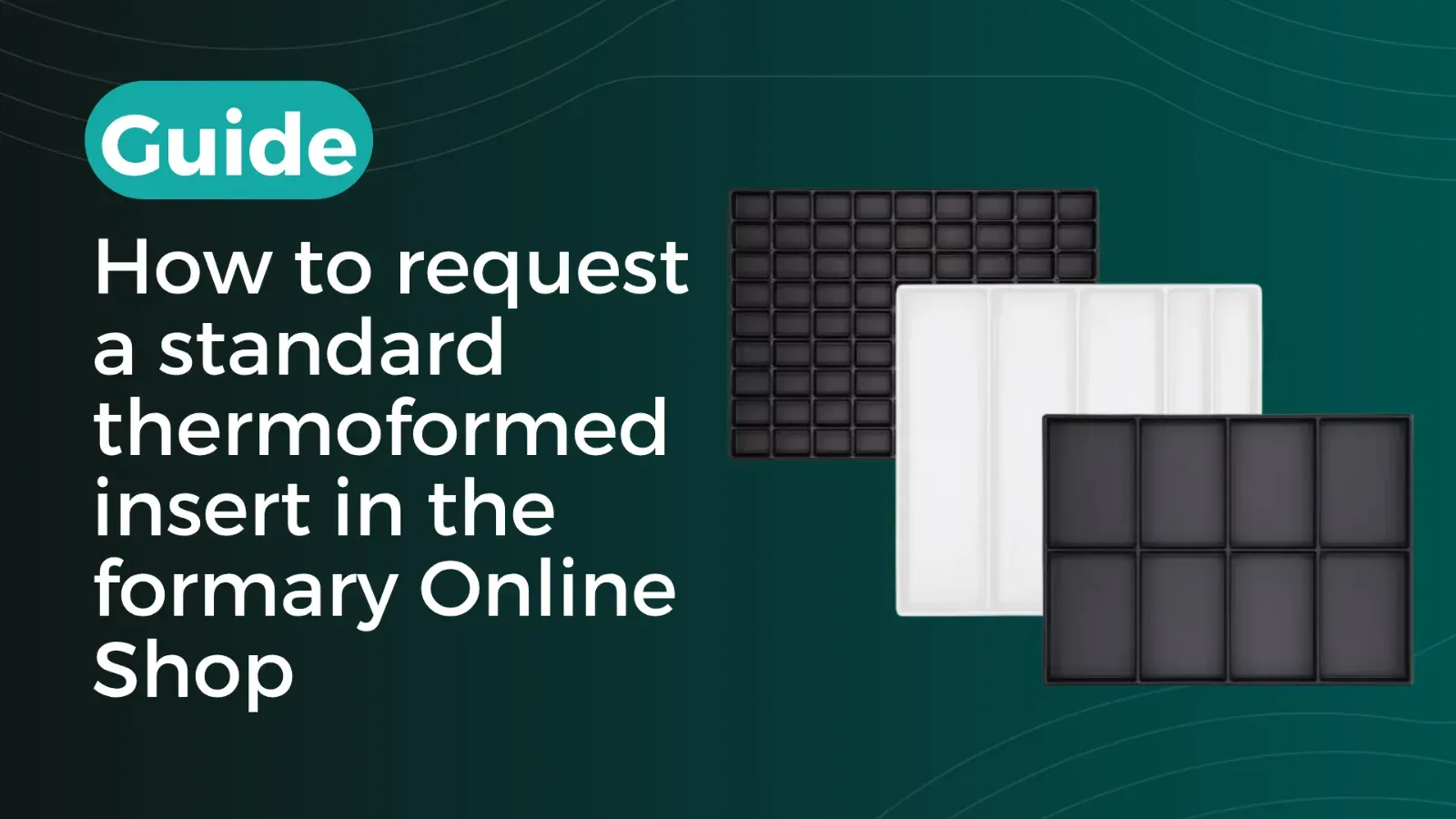
Ordering Standard Plastic Thermoformed Inserts: Step by Step for the formary Online Shop
Standard plastic thermoformed inserts are suitable for companies that want to equip SLCs or Euro containers quickly, without tooling costs and starting from small quantities. The formary Online Shop offers 220 ready-made inserts, including standard versions made from white PS and ESD-resistant versions made from conductive black PS. In this article, we show you step by step how to find suitable standard thermoformed inserts in the formary Online Shop.
News
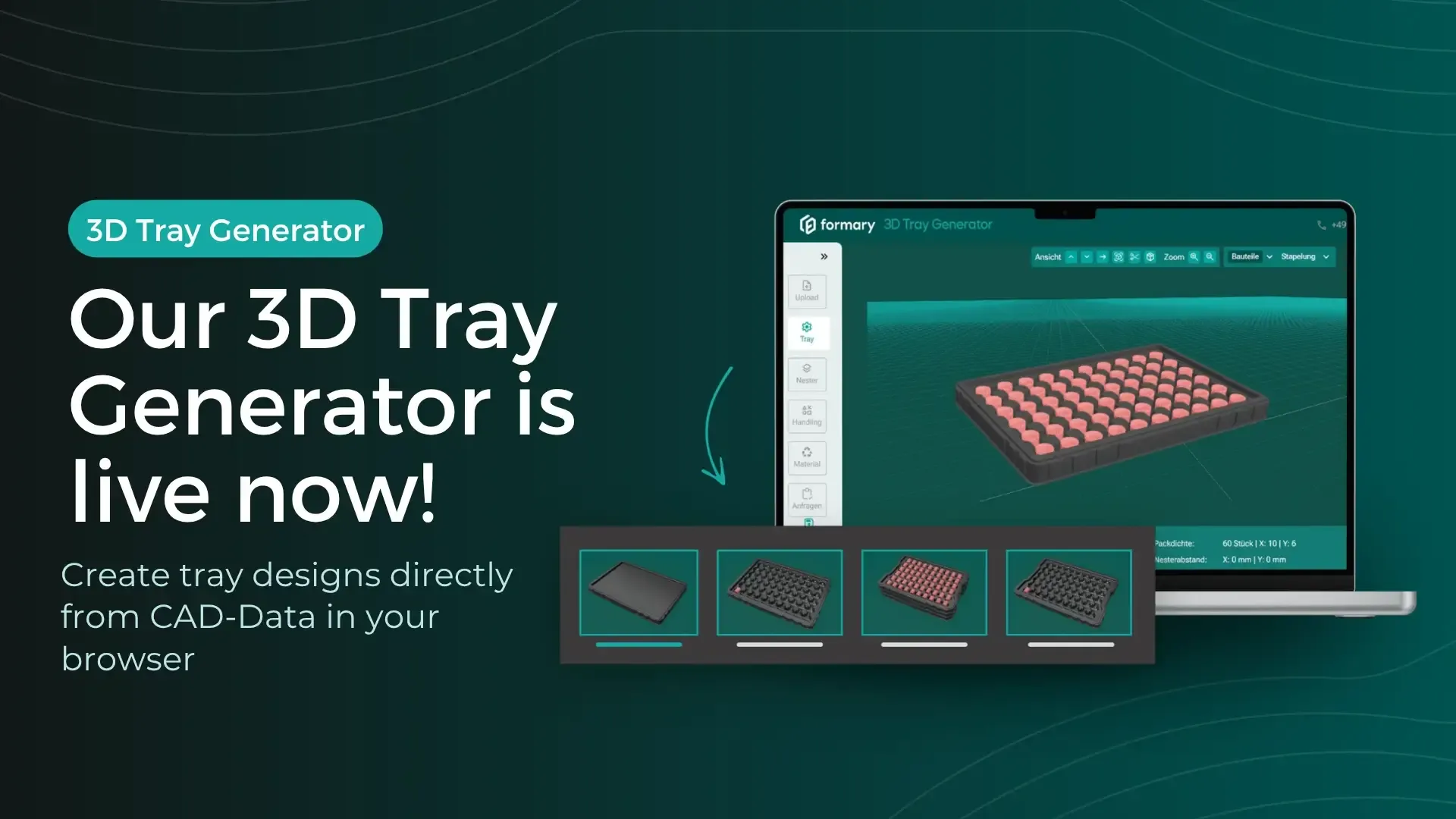
Now live: Create Tray Designs Directly from CAD Data in Your Browser
Planning plastic trays for transport, storage, or automated manufacturing processes often starts with one key question: what should a suitable tray for the component actually look like? This is exactly what the new web-based 3D Tray Generator answers within seconds. Learn more in this article.
Thermoformed Parts in Practice
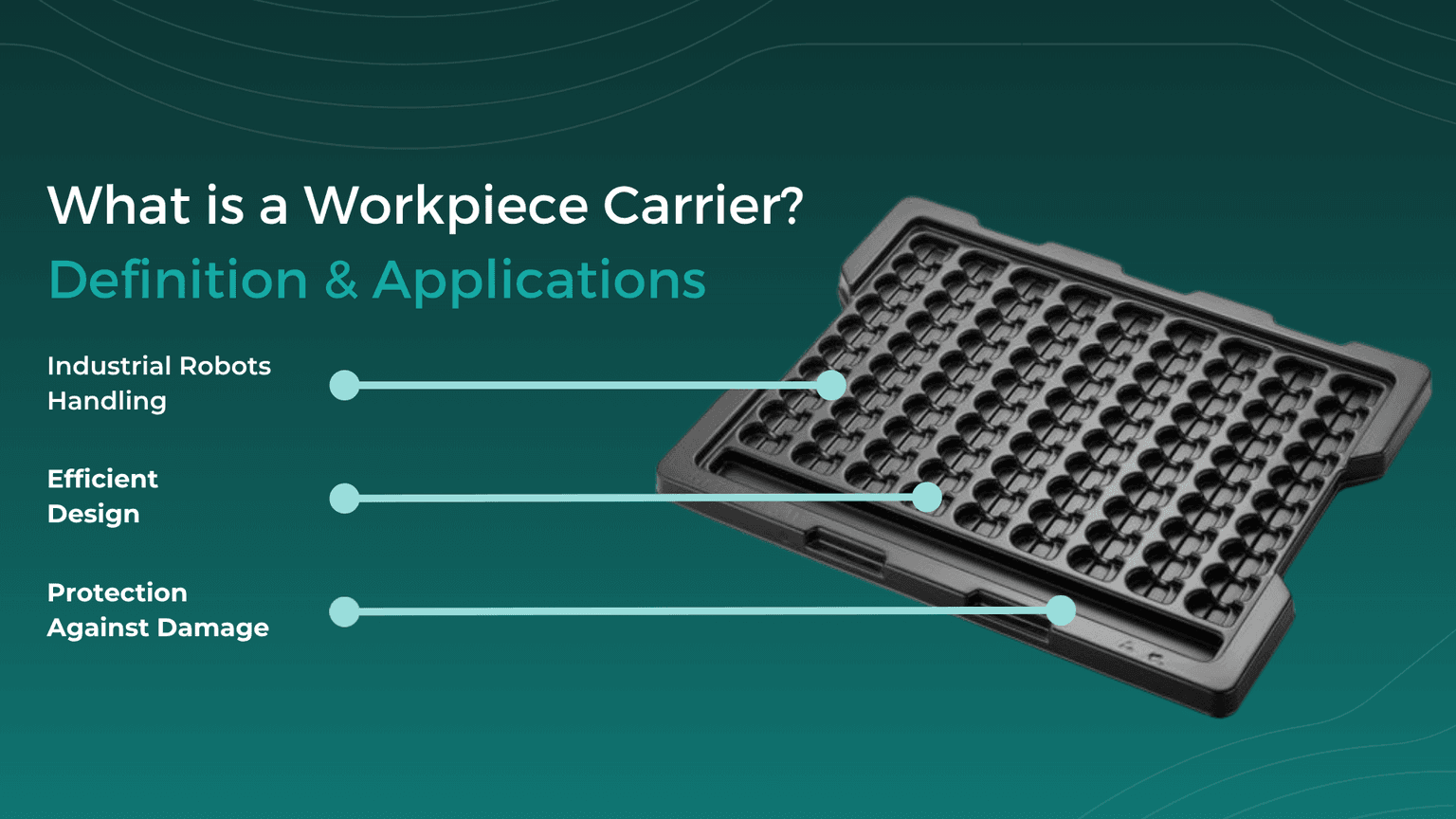
What Is a Workpiece Carrier? Definition & Applications
A constant challenge in the manufacturing industry is efficiently managing material flow throughout all assembly stages and departments. These logistical challenges can be optimally addressed by using product-specific workpiece carriers. Learn more in this article.
Platform & Features
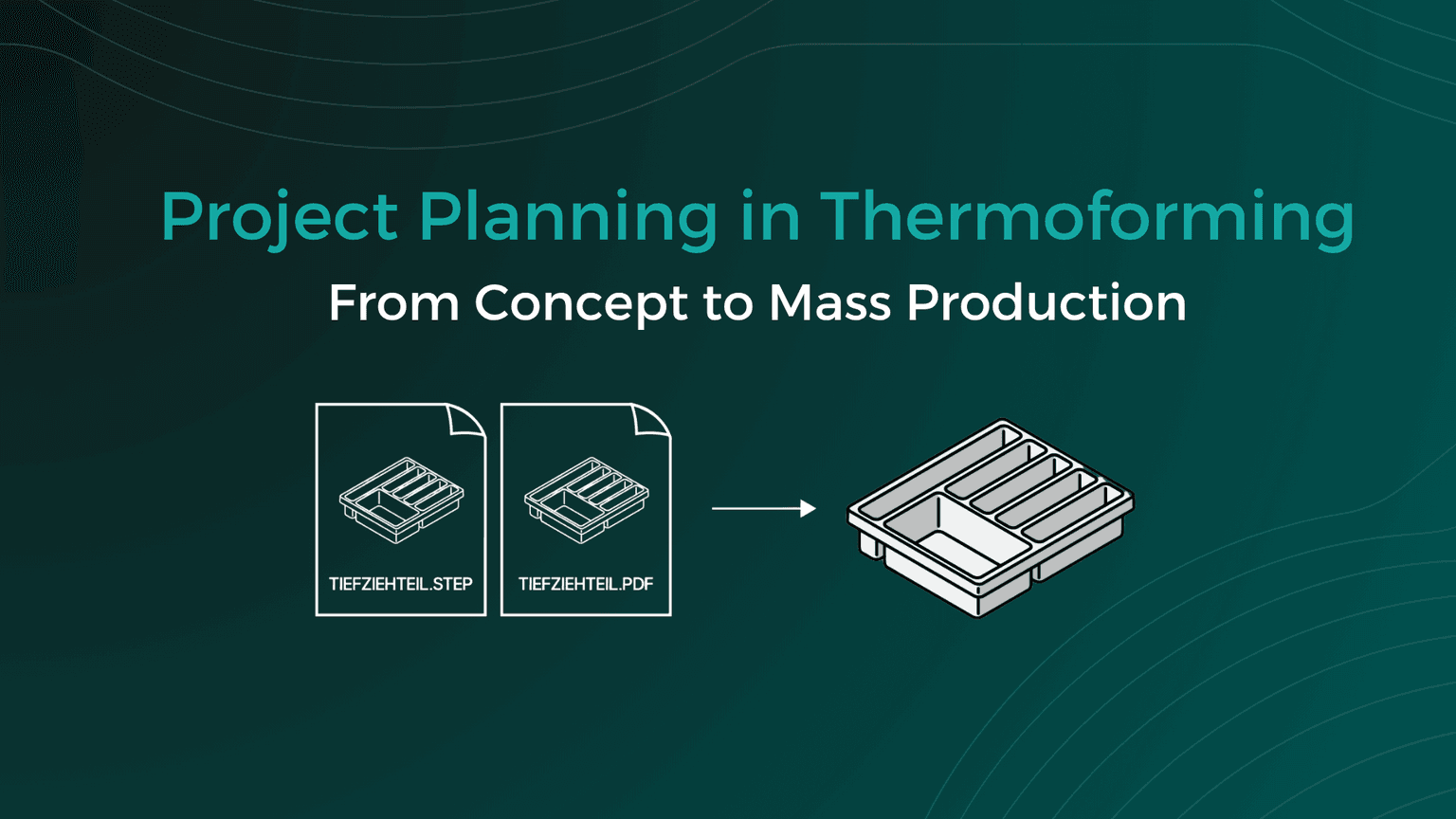
Project Planning in Thermoforming – From Concept to Mass Production
From the initial idea to mass production, various factors must be considered in thermoforming project planning, including material selection, tool manufacturing, and quality control. This article provides a detailed look at how a thermoforming project with formary is executed.
Thermoformed Parts in Practice
Automation of Production - How Trays Support Automation in Industry 4.0
Trays for automation are workpiece carriers that pass through an automated industrial system or production line, fulfilling various functions along the way.
Thermoformed Parts in Practice
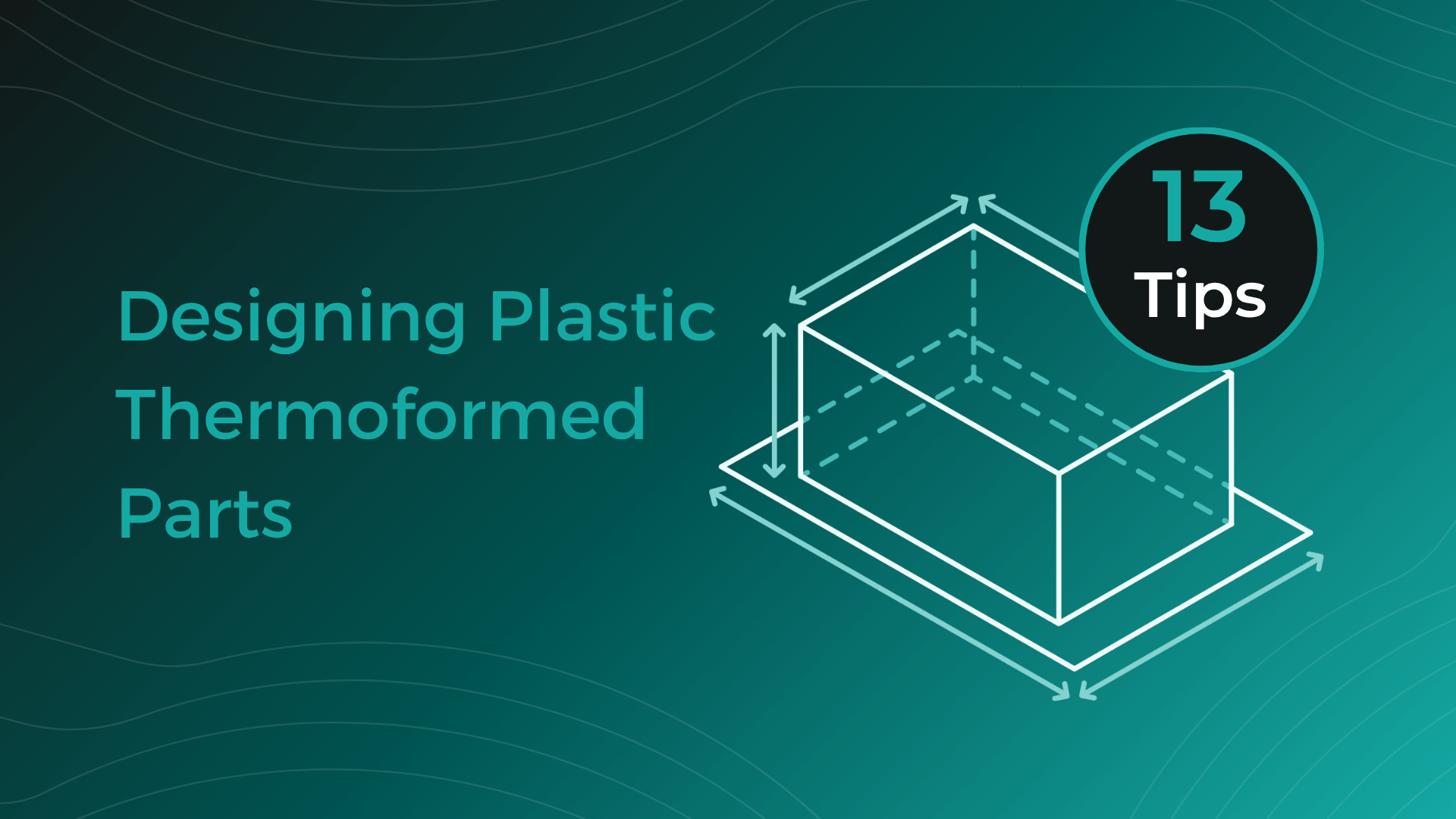
Design Guidelines for Plastic Thermoformed Parts – Top 13 Tips for Plastic-Optimized Construction
Plastic thermoforming is shaped by factors like material quality, temperature, pressure, speed, and tool geometry. With the right design principles, you can prevent errors in CAD and production. formary has gathered key tips to help you optimize your thermoformed parts.
Thermoformed Parts in Practice
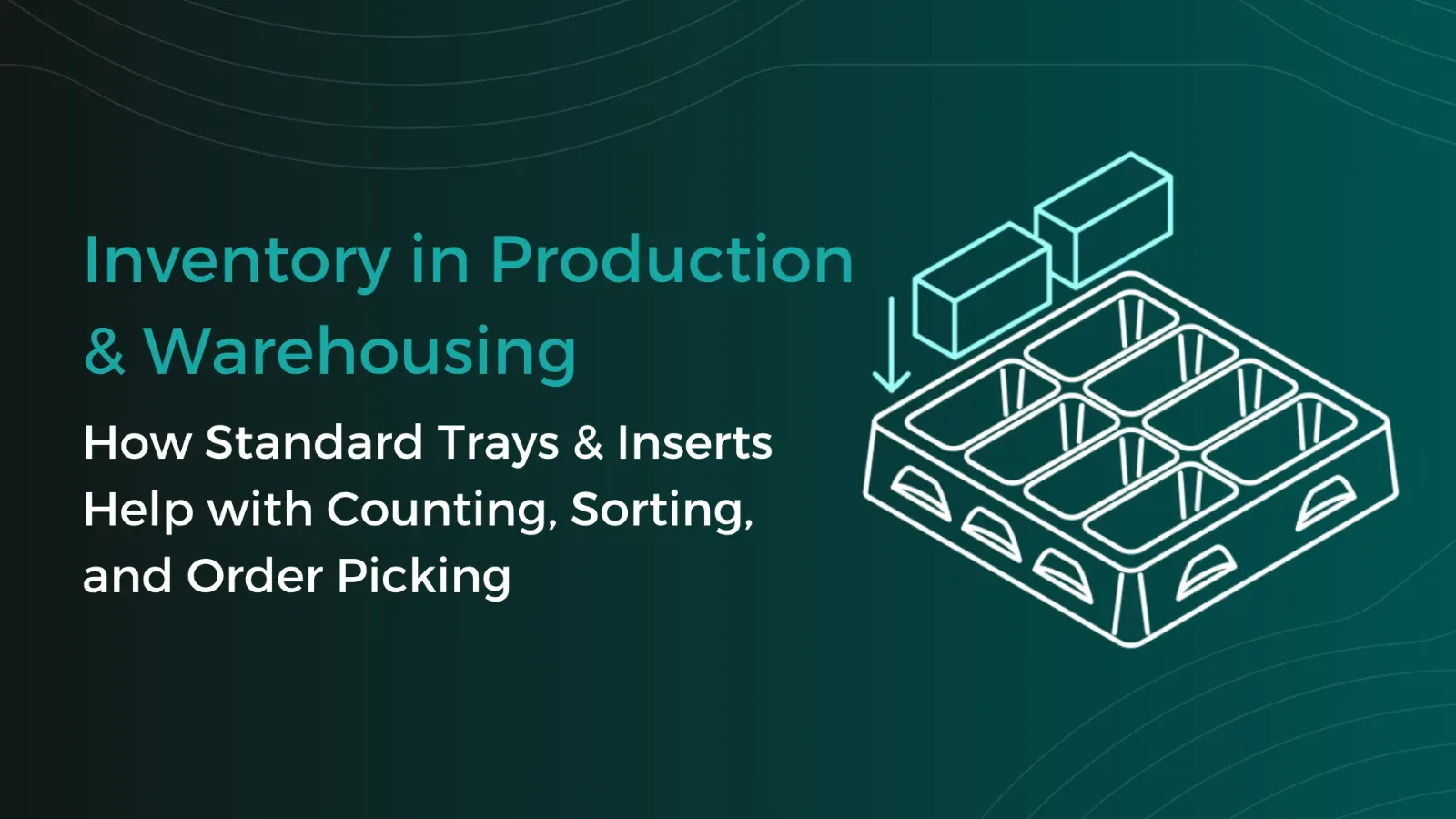
Warehouse Inventory: Tips & Tricks for Better Warehouse Organization and Efficiency with Trays
Warehouse inventories cost time, tie up staff, and often disrupt ongoing operations. This is especially true for small parts, serial components, or recurring components, where counting quickly becomes confusing if parts are stored loose in boxes or shelf compartments. Standard trays create a simple yet effective structure here for better warehouse organization. This article shows how trays optimize inventory counts in both the warehouse and production.
Thermoformed Parts in Practice
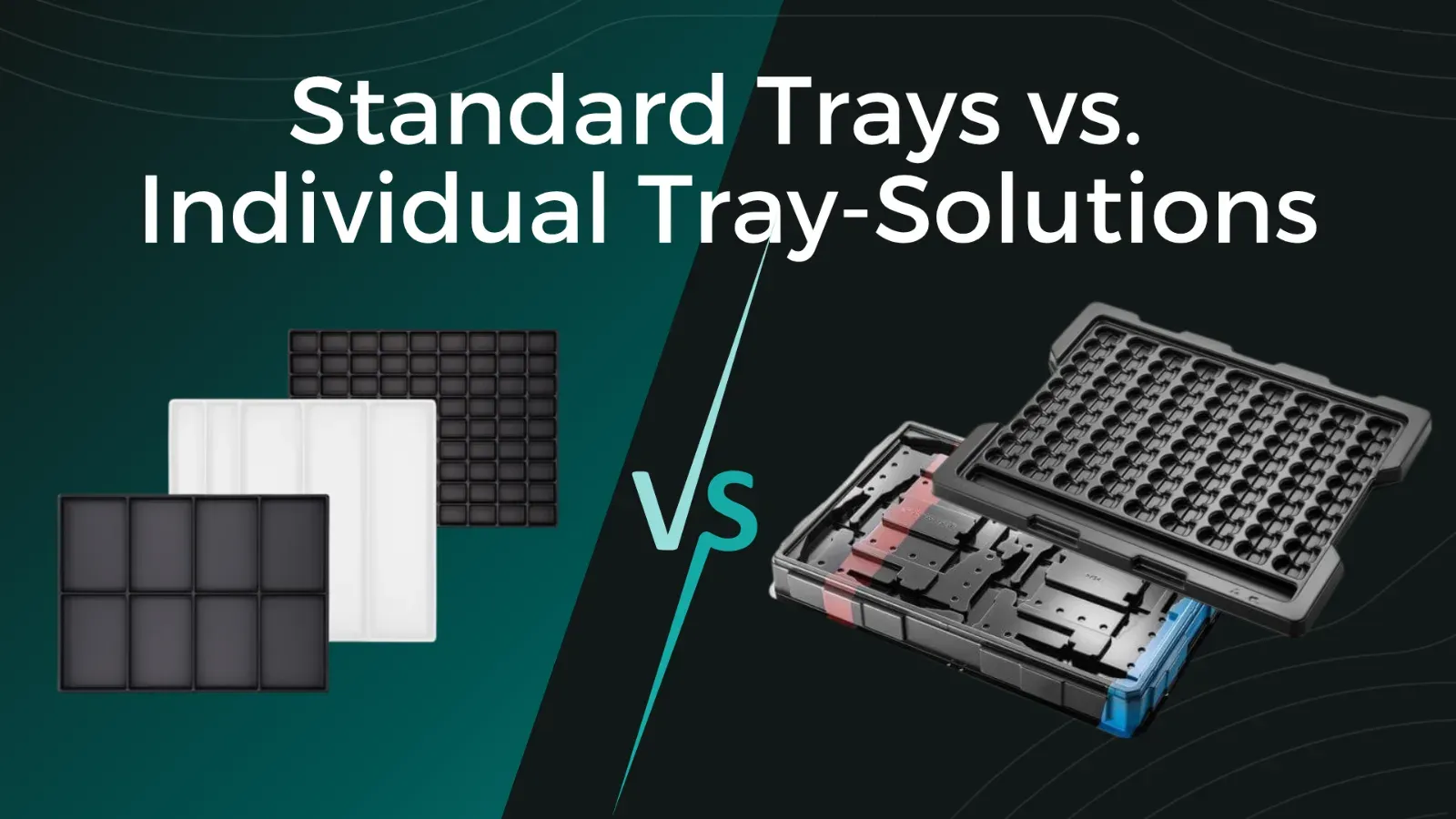
Standard Trays vs. Custom Tray Solutions: Which Option Is Best for Your Project?
Anyone sourcing plastic trays for transport, storage, or production quickly faces the question: choose a standard tray from the catalog or have a custom solution developed by a thermoforming specialist? Both options have their place. The right choice depends on the component, quantity, budget, and project requirements. This article explains which option is the right one for you.
Thermoformed Parts in Practice
Checklist: 10 Details a plastic thermoformer needs from you
You’re planning to source plastic thermoformed parts and want to submit a request for a quote. But what information does a thermoforming supplier really need to provide you with a meaningful quote? Incomplete requests lead to follow-up questions, delay the quoting process, and complicate the technical evaluation. If you provide the right information from the start, you’ll receive a reliable estimate faster and avoid unnecessary back-and-forth.