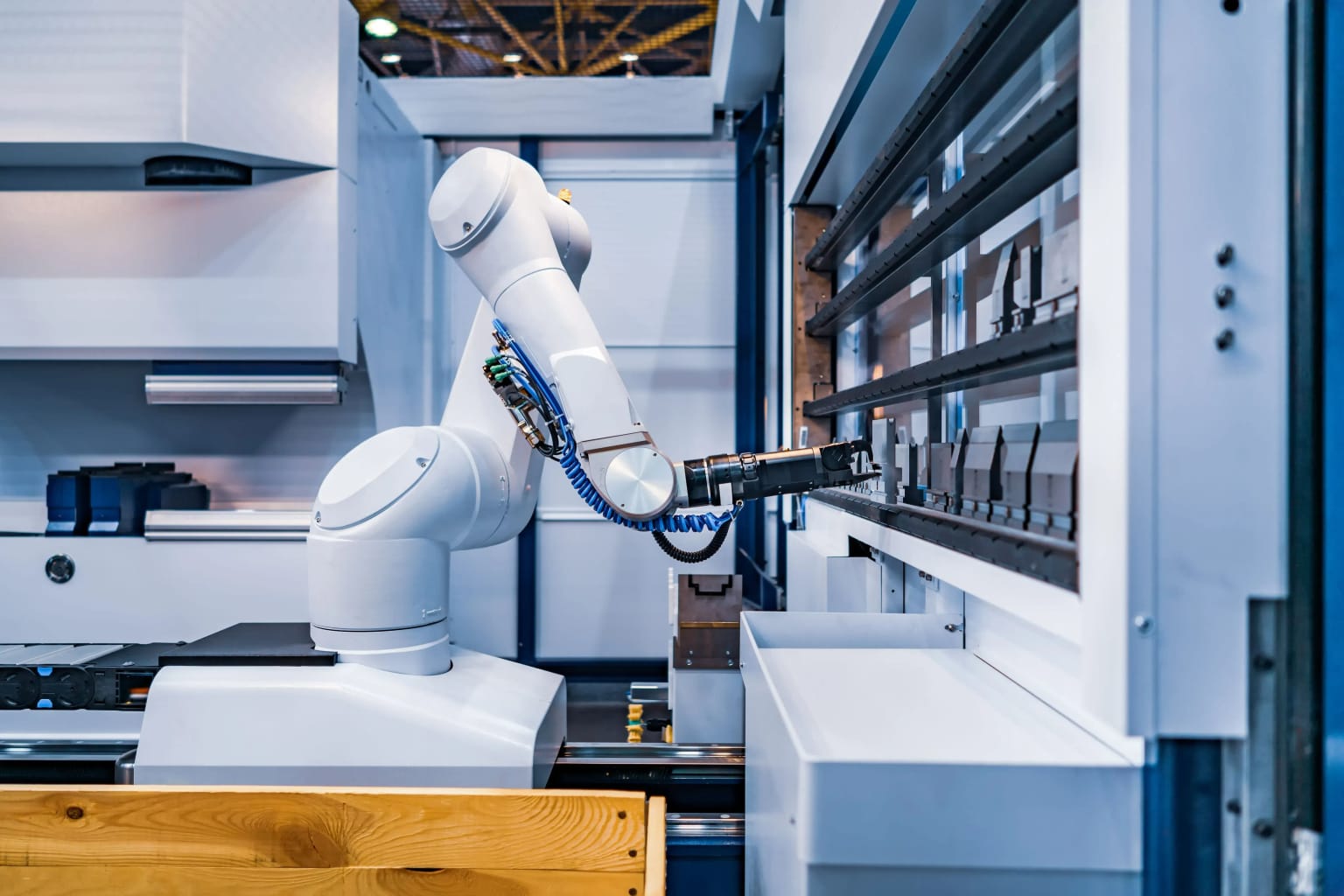



Bending plastics for your custom applications.
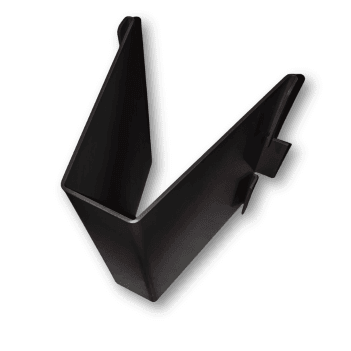
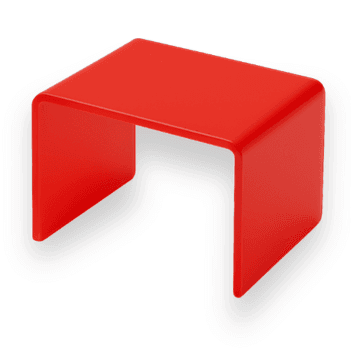
Plastic bent parts are molded components that are produced by selectively heating and bending plastic sheets. In hot bending, the material is heated until it softens, shaped into the desired form, and then fixed in place as it cools. This process produces precise and stable components—from covers and protective hoods to displays and functional housings.
Plastic Bending Parts are Lightweight
Compared to metal, plastic bending parts are lighter, leading to weight savings in various applications, especially in areas where light weight is important, such as in vehicle construction.
Plastic Bending Parts are Corrosion-Resistant
Plastics are naturally corrosion-resistant, which means that plastic bending parts are durable and less prone to environmental influences such as moisture or aggressive chemicals.
Bending Plastics Allows for Many Shapes
Bending plastics allows the creation of complex, custom designs. This is particularly advantageous in applications where specific shapes or modifications are required.


The manufacturing process of plastic bending parts is often cost-efficient due to low tooling costs and uniform wall thickness during the plastic bending process.
Plastics have good electrical insulation properties, which allows plastic bending parts to be used to avoid electrical conductivity.
Many thermoplastics are recyclable, contributing to waste reduction and a more environmentally friendly manufacturing approach.
Plastic bending parts have natural damping properties, making them useful in applications where soundproofing is important.
Plastics often require less maintenance compared to other materials like metal. They are less susceptible to rust or weathering and maintain their physical properties over a longer period.
Plastic bending parts provide high hygiene standards for components that are sensitive and require significant protection against contamination.

By bending plastics, covers and protective hoods can be produced. Plastic covers are used in various fields, whether to protect items, devices, machines, or components, or to discreetly conceal cables and electronics. Plastic casings are used for both industrial purposes and in leisure contexts for individual needs.
| Criterion | Plastic bent parts | Plastic thermoformed parts |
|---|---|---|
| Manufacture | Hot bending of plastic sheets | Heating and forming using a tool |
| Geometries | Straight edges, curved surfaces, simple shapes | Complex geometries, deep-drawn contours |
| Tooling costs | Low to none | Higher (moulding tool required) |
| Mould depth | Limited by plate thickness and bending angle | High mould depth possible |
| Quantities | Ideal for small and medium-sized series | Also suitable for small to medium series |
| Optics | Clear edges, clean bend lines | Seamless, moulded surfaces |
Plastic bent parts are moulded components that are manufactured by selectively heating and bending plastic sheets. They are custom-made to fit precisely into a specific application.