Plastic Battery Housings
Lightweight and robust plastic battery enclosures for energy storage solutions in industry, e-mobility and electronics
What are plastic battery housings?
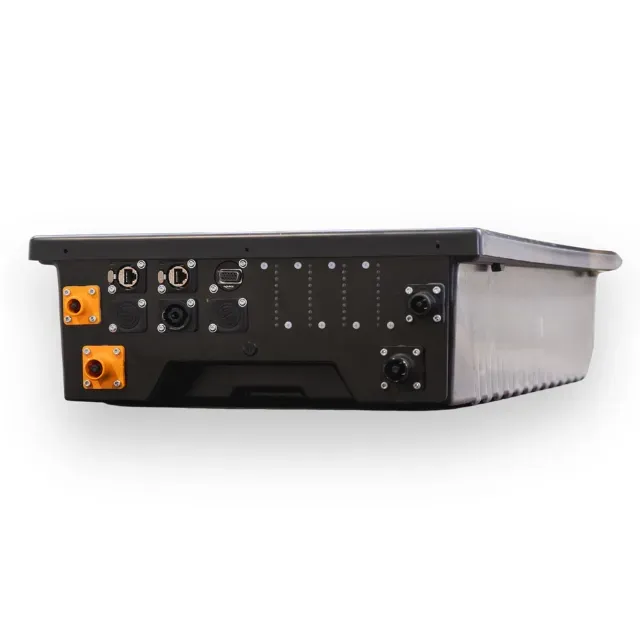
Plastic battery housings, also known as battery boxes, are specially designed protective housings for batteries and energy storage systems. They are used to safely store sensitive electronic components and protect them from external influences.


What are plastic battery housings used for?
Typical functions of battery boxes include:
- Protection against moisture, dust, and chemicals
- Mechanical stability during transport and use
- Electrical insulation
- Integration of mounting hardware and interfaces
In practice, they are used in areas such as e-mobility, industrial facilities and stationary energy storage systems.
Functions of Plastic Battery Housings

Protection & Stability
Plastic battery housings provide reliable protection against impacts, moisture, and dirt while ensuring the necessary mechanical stability.

Electrical Safety
Thanks to their insulating properties, they enhance safety and help prevent short circuits.

Temperature Management & Integration
They facilitate heat dissipation and allow for the integration of fasteners, guides, and interfaces directly into the component.
DfM-Analysis for Battery Enclosures
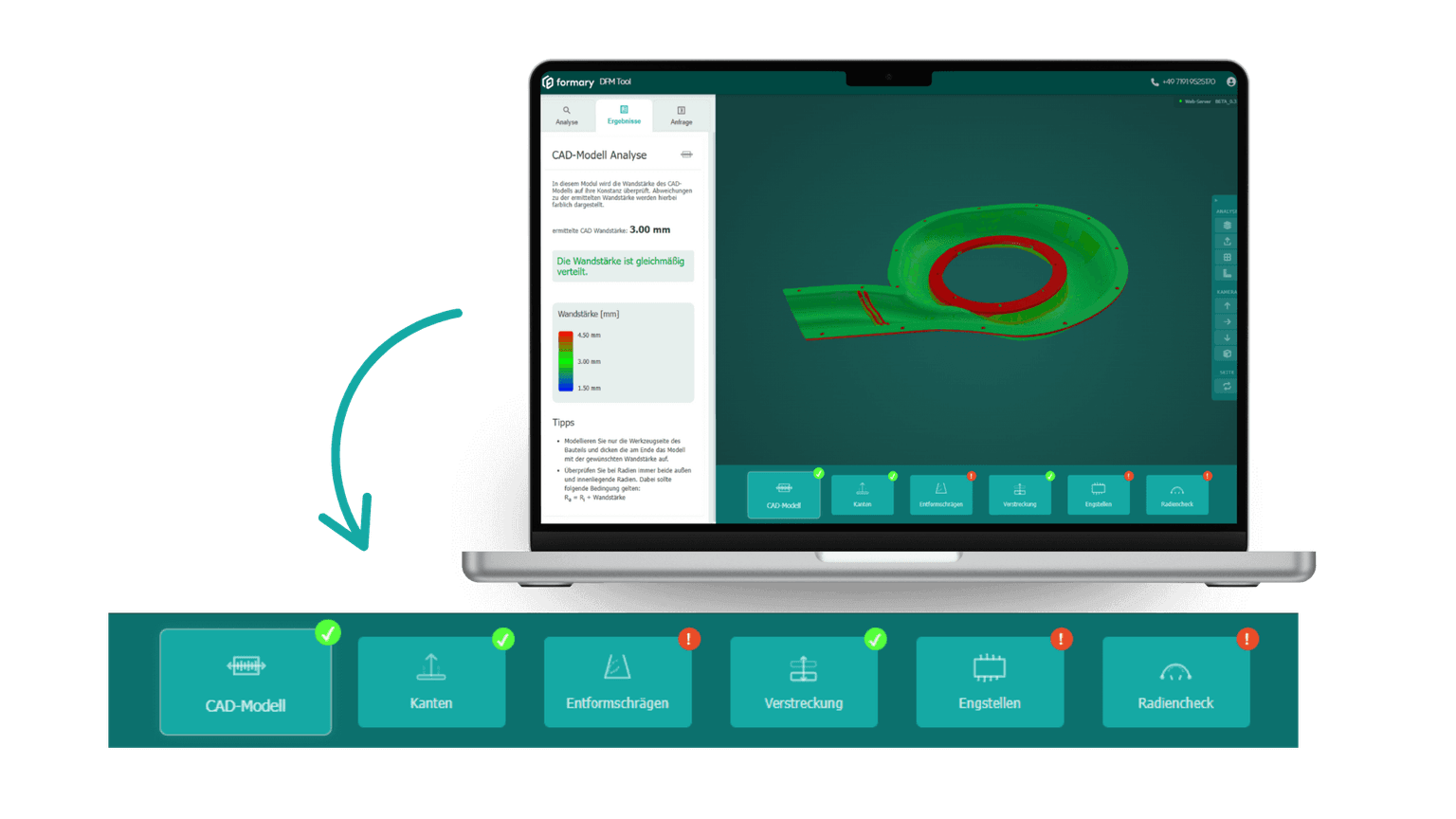
Do you already have a CAD model for your battery enclosure? Check its thermoformability now.
With our free Design for Manufacturability (DfM) analysis, we verify whether your enclosure design is suitable for thermoforming and meets all requirements. This helps you avoid costly revisions and provides planning certainty.
Application Areas of Plastic Battery Housings
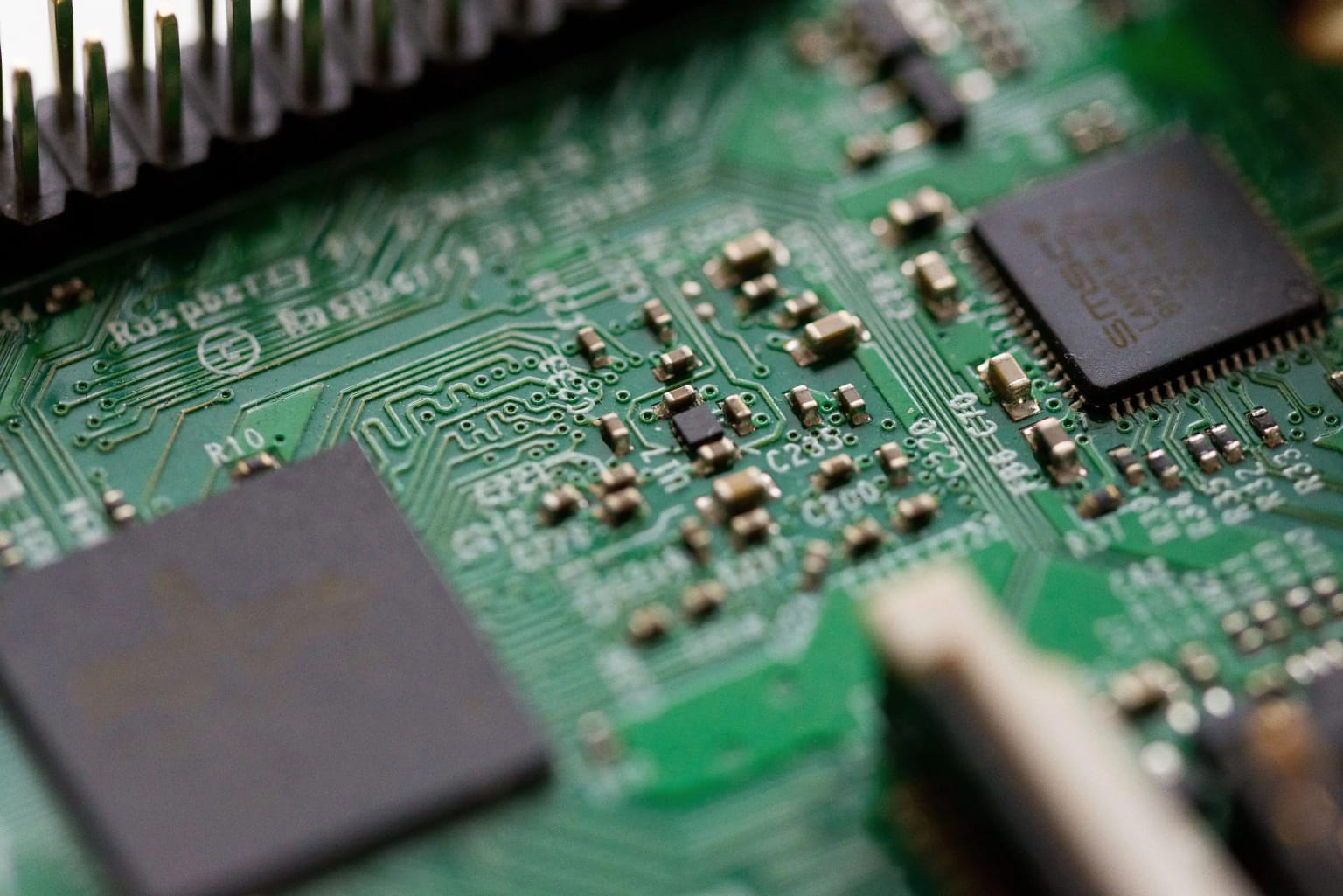
Electronics
- Battery storage for electronic devices
- Housings for power and energy modules
- Battery boxes for mobile devices
- Protective housings for circuit boards with power supplies
- Circuit board carriers with integrated battery holders
- Covers in production
- Housings for circuits with power units
- Small electronic housings with battery function
- Desktop housings with integrated power supply
- Switch housings with battery compartment
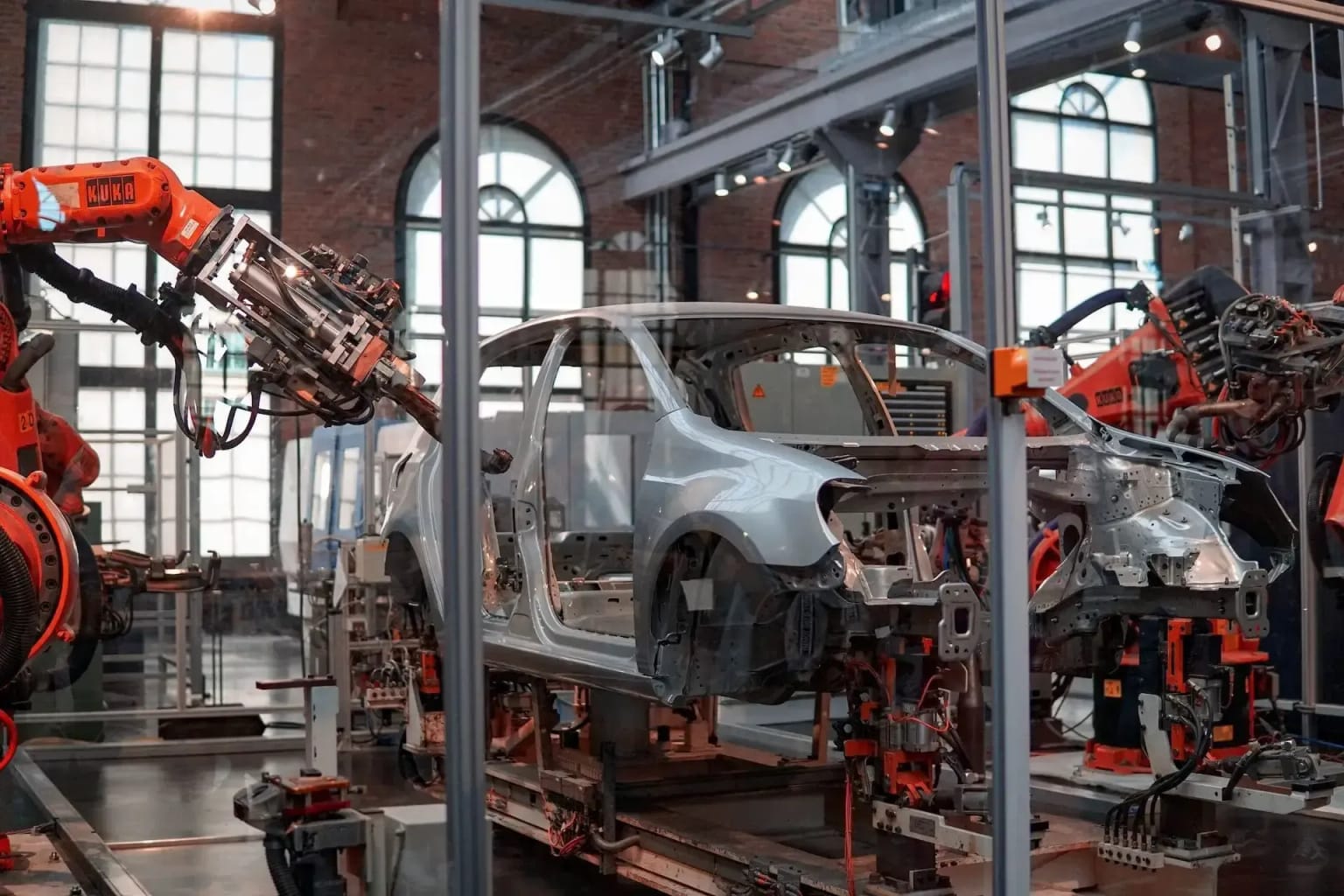
Automotive
- Battery housings for electric vehicles
- Battery boxes for e-bikes and micromobility
- Assemblies for the automotive industry
- Housings for charging and power modules
- Sensor housings with power supply
- Battery modules for navigation systems
- Housings for in-vehicle entertainment electronics
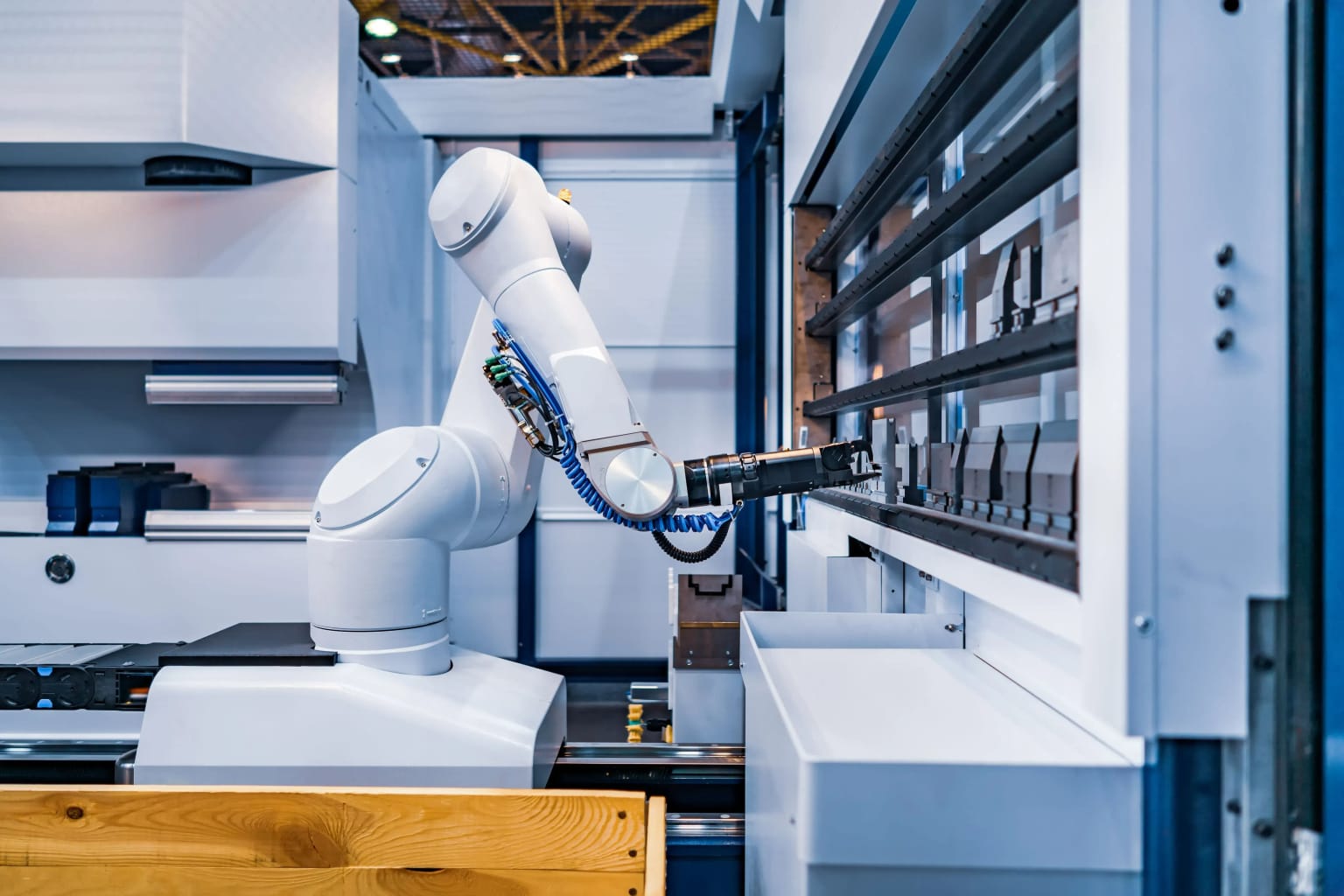
Industrial Solutions
- Housings for stationary energy storage systems
- Battery systems for machinery and equipment
- Emergency power and backup systems
- Housings for control and regulation technology
- Power units for production facilities
Advantages of Plastic Battery Housings

Lightweight
The lightweight design reduces the overall weight of applications and is particularly important for mobile systems such as e-bikes or portable energy storage devices.

High Design Flexibility
Complex geometries, integrated mounts, and functional details can be easily achieved through plastic thermoforming.

Cost-Efficient Mass Production
Especially for medium and high production volumes, there are significant advantages in unit costs compared to alternative manufacturing processes.

Fast Tooling Production
Tools for plastic deep drawing are available faster and at a lower cost than, for example, injection molding tools.

Integration of Multiple Functions into a Single Component
Clips, guides or mounts can be integrated directly into the component, reducing assembly effort and the number of individual components.
Which Materials are Suitable for Battery Housings?


Applications for Plastic Battery Enclosures
Mobile Energy Systems
Used in portable devices, e-bikes, or mobile energy storage systems where weight and durability are critical.
Stationary Battery Storage
Enclosures for energy storage solutions in buildings or industrial facilities, e.g. for solar power.
Industrial control systems
Protective enclosures for battery-powered controls, sensors, or automation technology.
Charging and energy management solutions
Integration into chargers, power distributors, or smart energy management systems.
Additional Thermoformed Products for Electronics Applications
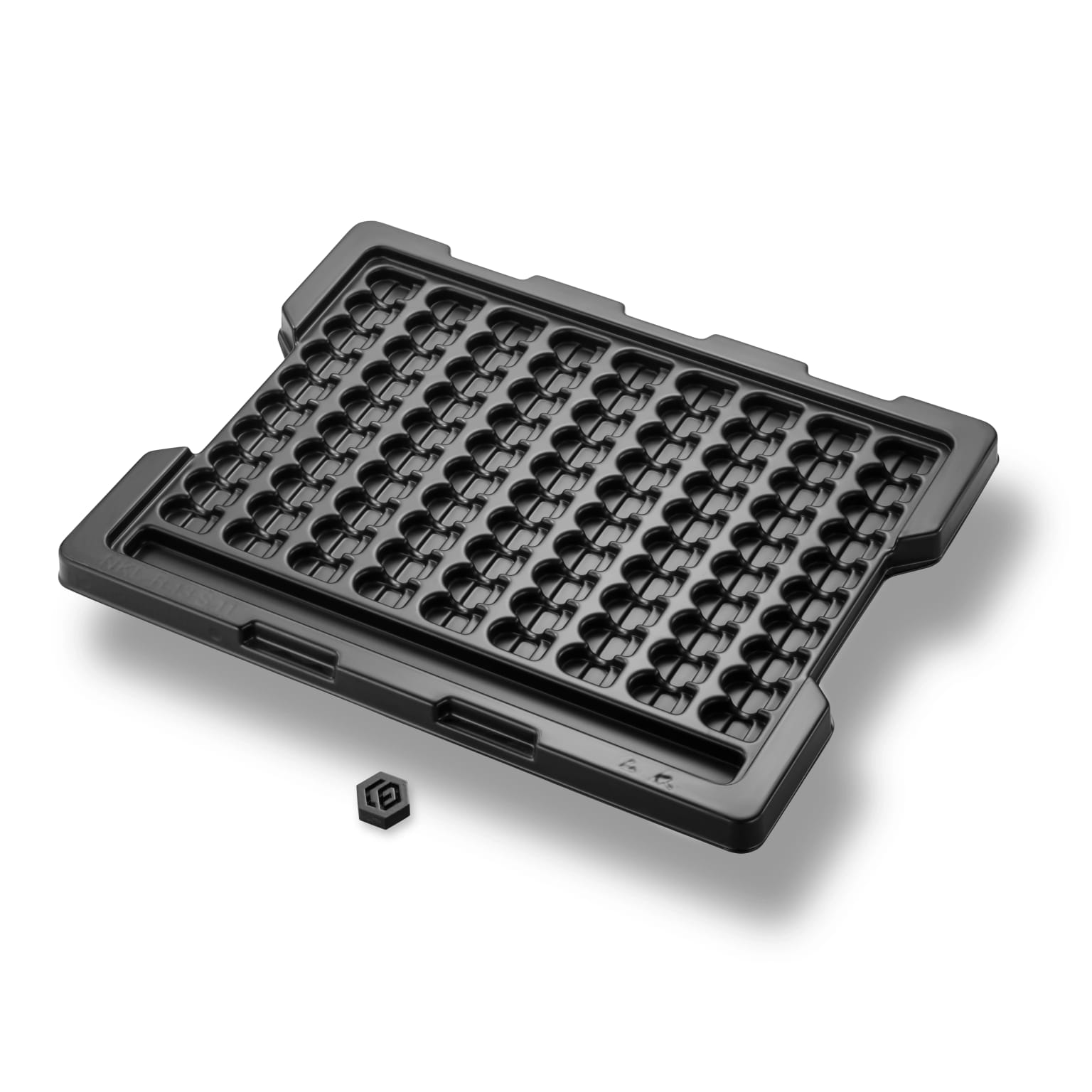
ESD Component Holders & Trays
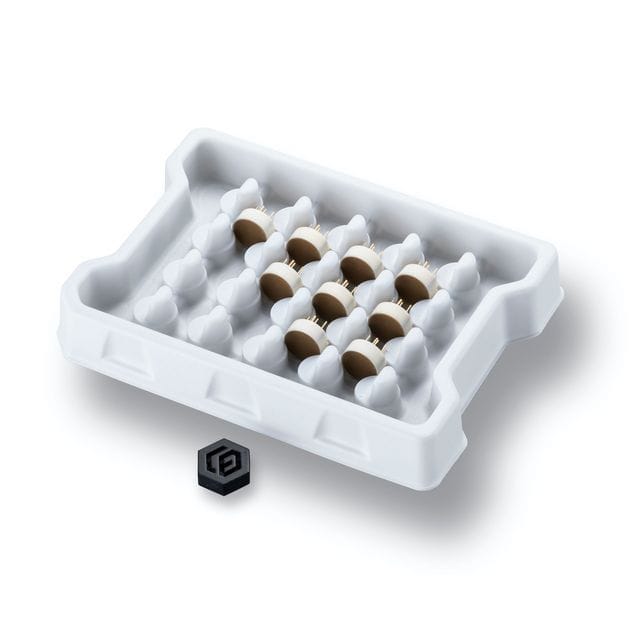
Plastic ESD component holders are specifically designed for the safe storage and organized transport of electronic assemblies, circuit boards, sensors, or connectors. ESD trays feature custom-designed nest shapes and ensure that every component fits perfectly, even during automated handling with robots or pick-and-place systems.
ESD Transport Packaging
Plastic ESD component holders are specifically designed for the safe storage and organized transport of electronic assemblies, circuit boards, sensors, or connectors. ESD trays feature custom-designed nest shapes and ensure that every component fits perfectly, even during automated handling with robots or pick-and-place systems.
Plastic Electronics housings
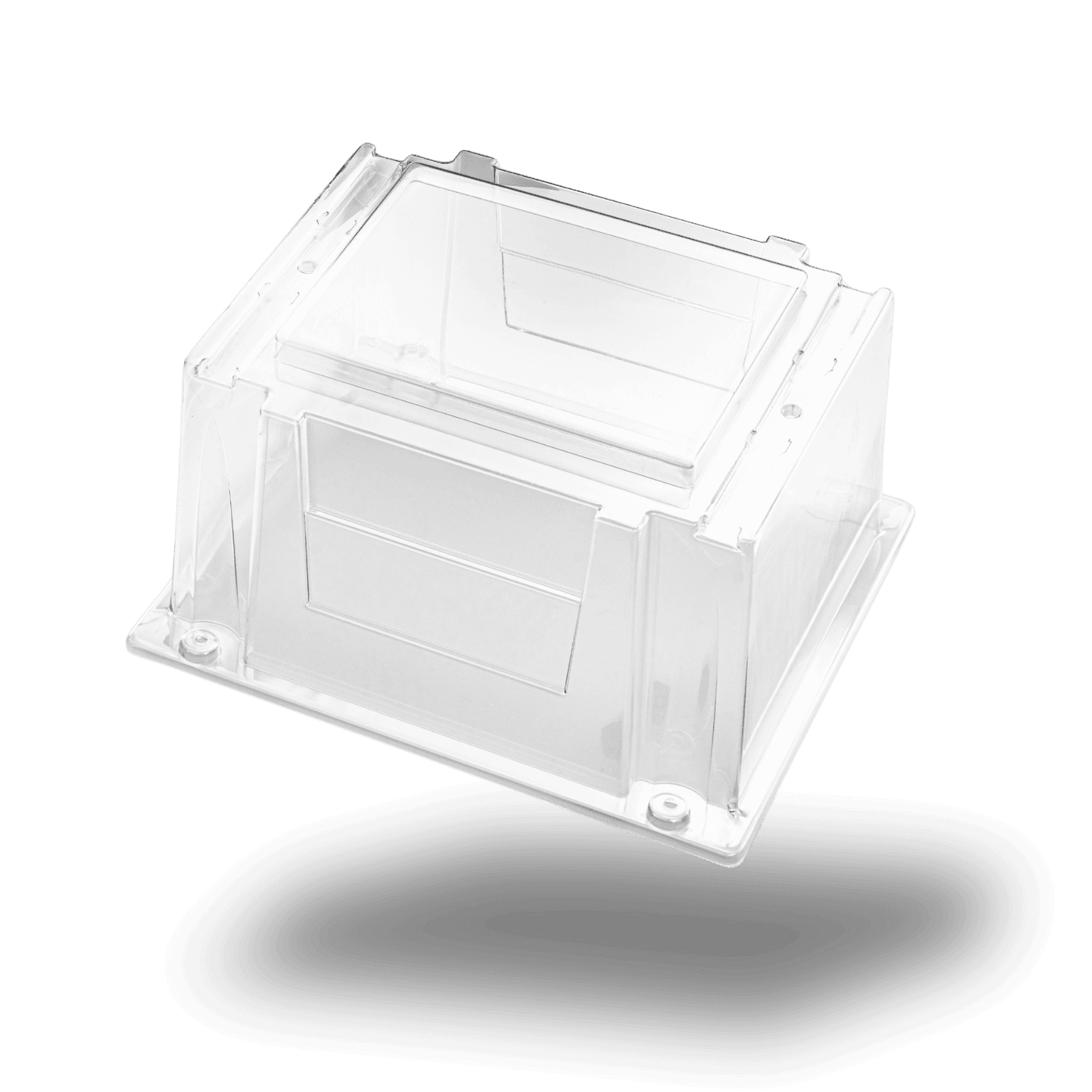
Plastic electronics housings reliably protect sensitive components such as printed circuit boards, sensors, or control units from external influences. They offer a high degree of design freedom, integrable mounting solutions, and excellent electrical insulation. Complex geometries can be produced cost-effectively, particularly through plastic deep drawing.
Plastic ESD containers
Plastic ESD containers are used for the safe storage and transport of sensitive electronic components and battery modules. Thanks to their antistatic properties, they prevent electrostatic discharges and thus protect sensitive components from damage. At the same time, they are robust, stackable, and suitable for repeated use in production and logistics environments.
Comparison of Plastic and Metal for Battery Housings
| Criteria | Plastic | Metal |
|---|---|---|
| Weight | Very low | High |
| Costs | Lower for series production | Higher |
| Corrosion | None | Possible |
| Design freedom | Very high | Limited |
| Electrical insulation | Very good | Additional measures required |
| Temperature resistance | Limited depending on the plastic | Very high |