
Case Studies

Sustainable Battery Housings Made from Recycled Plastic Instead of Aluminum

How NAEXT improved insulation properties by switching to 100% recycled plastic while simultaneously reducing weight, costs, and CO₂ emissions.

About NAEXT

NAEXT is a German manufacturer of sustainable energy storage systems. The company uses so-called second-life batteries from electric vehicles, refurbishes them technically, and reuses them in stationary storage systems. The goal is to extend the lifespan of existing resources and actively contribute to the energy transition.


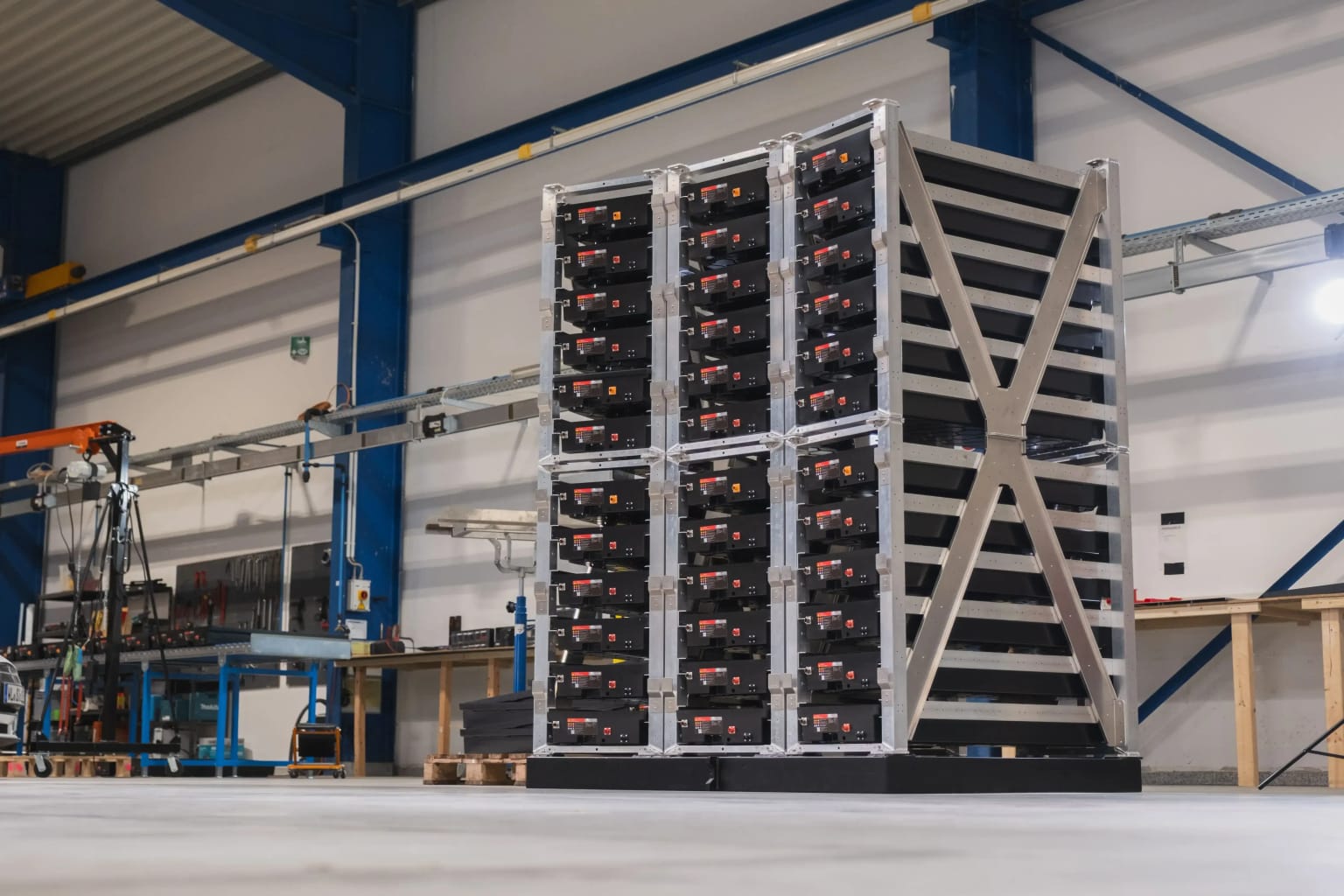
Container mit Batteriegehäusen
NAEXT Logo

Watch the case study video to learn how NAEXT and formary implemented a more sustainable and efficient housing solution.

Thumbnail Case Study formary x NAEXT

By playing the video, you agree that your data will be transmitted to YouTube and that you have read the Privacy Policy.

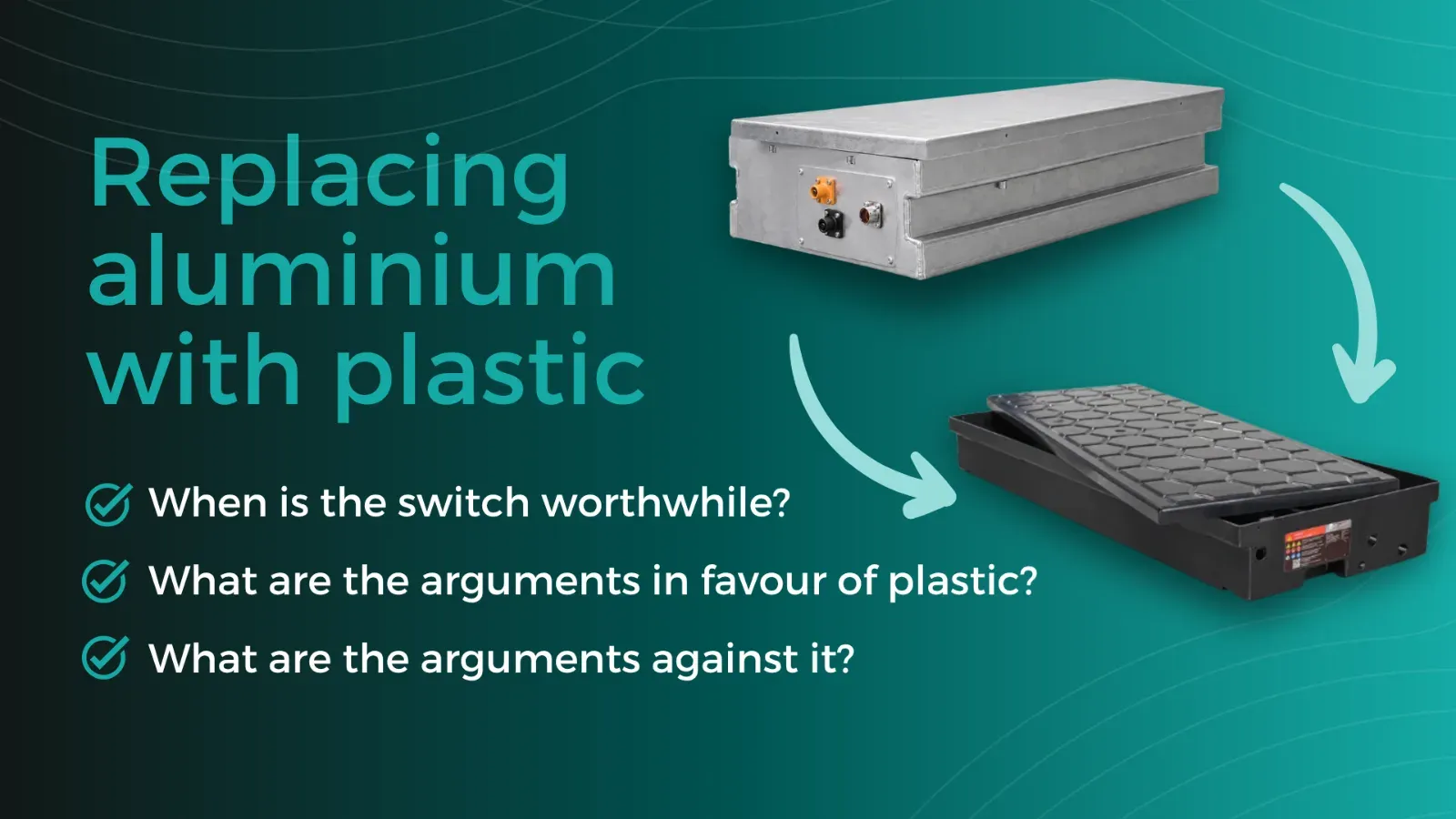
This project demonstrates the potential of switching materials from aluminum to plastic: A heavy, energy-intensive aluminum component was replaced by a fully recycled plastic solution—with advantages in insulation properties, weight, cost, handling, and sustainability. At the same time, the project was successfully transitioned into series production despite very tight timelines.

Project Overview

  • Objective: Develop a sustainable, lighter, and more cost-efficient alternative to aluminum battery housings with improved insulation and material properties
  • Challenge: High requirements for safety, dust and environmental protection, and material performance, combined with a very short time-to-market
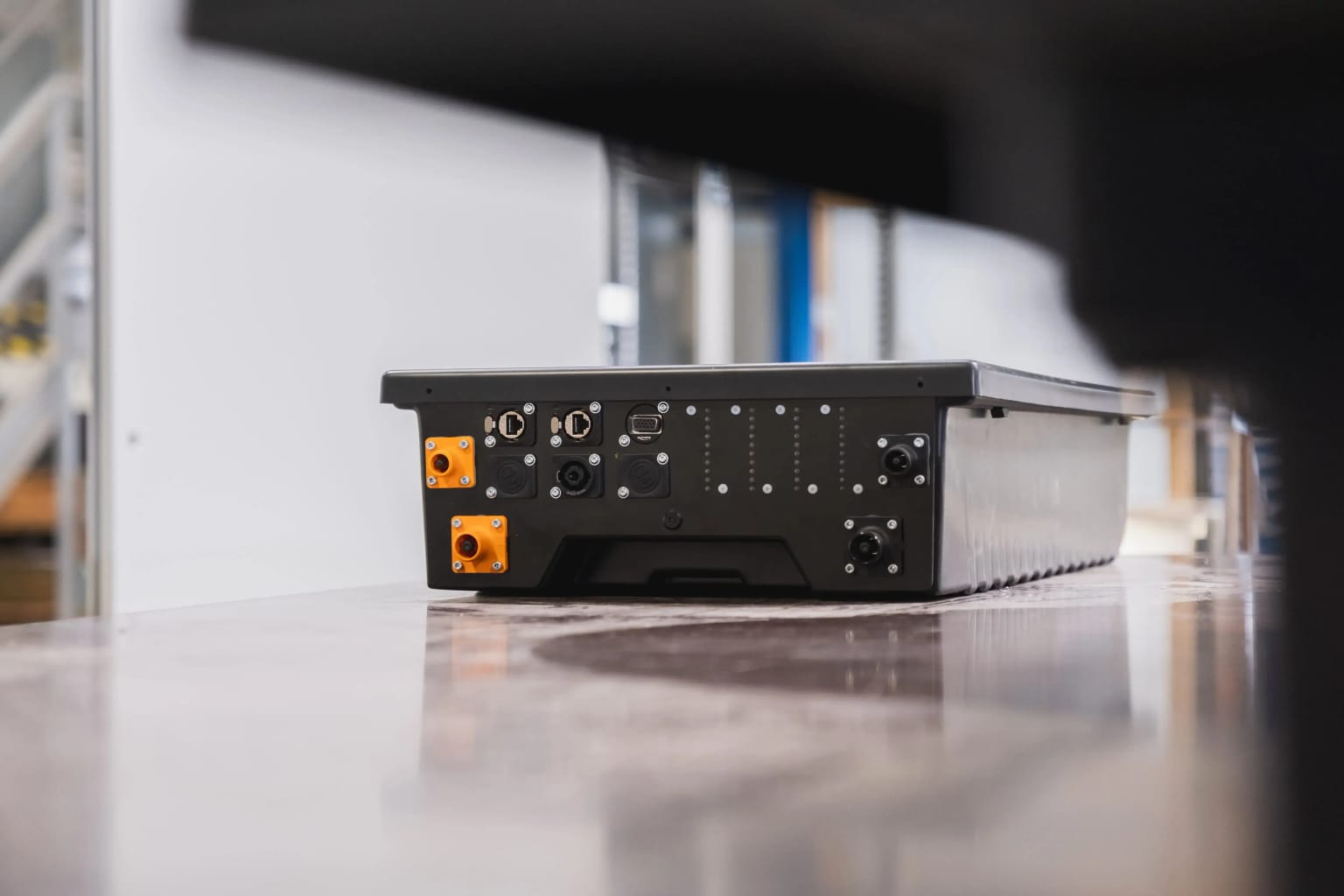
  • Solution: Development of a two-part thermoformed solution made from 100% recycled ABS as a functional alternative to aluminum
  • Result: Significantly reduced weight and material costs, improved insulation properties, and a quickly available, production-ready solution

The Problem

Sustainable Energy Storage with Inefficient Components

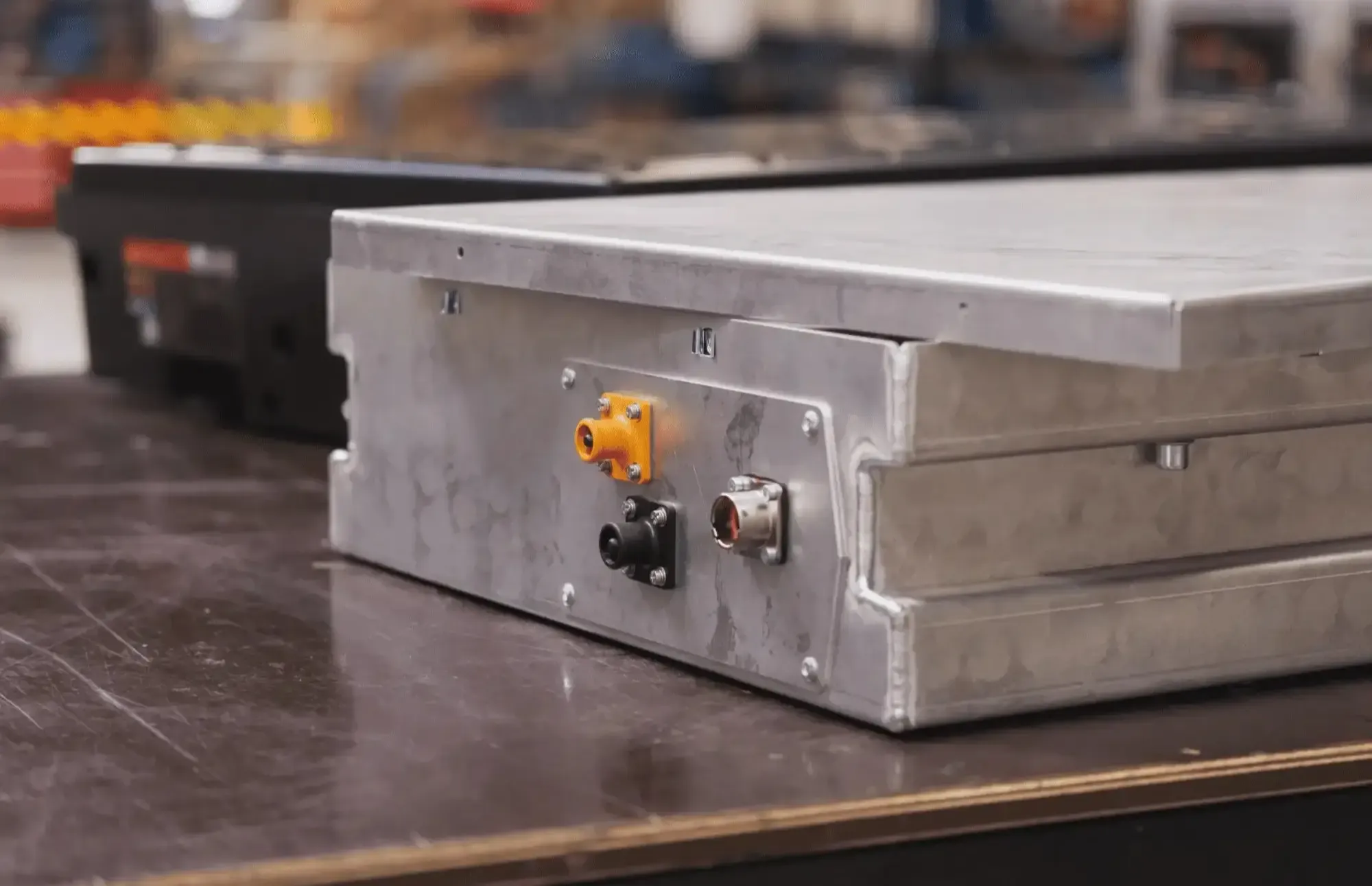
NAEXT follows a consistently sustainable approach: batteries from electric vehicles are given a second life in stationary energy storage systems. However, a key inconsistency became apparent during the project: the protective covers used were made of primary aluminum. 


These components are heavy, expensive, and energy-intensive to produce—contradicting the overall sustainability goals of the system. 

Batteriegehäuse aus Aluminium

The Challenge

Replacing a Heavy, Cost- and Energy-Intensive Aluminum Component Under Tight Deadlines

NAEXT set out to align the protective covers of their energy storage systems with their sustainability standards by replacing the existing aluminum housing with a more efficient and resource-saving alternative. The requirements for the new solution were clearly defined and technically demanding:

  • Protection against contact with live components
  • Dust and environmental protection for safe operation
  • High insulation performance
  • Low weight for easier handling
  • Use of sustainable (recycled) materials
  • Very short development and delivery timelines

The Solution

Design and Manufacturing Optimization via Thermoforming and Combination Tooling

Together with NAEXT, formary developed a completely new housing solution, consistently replacing aluminum with recycled plastic. The design was optimized so that:


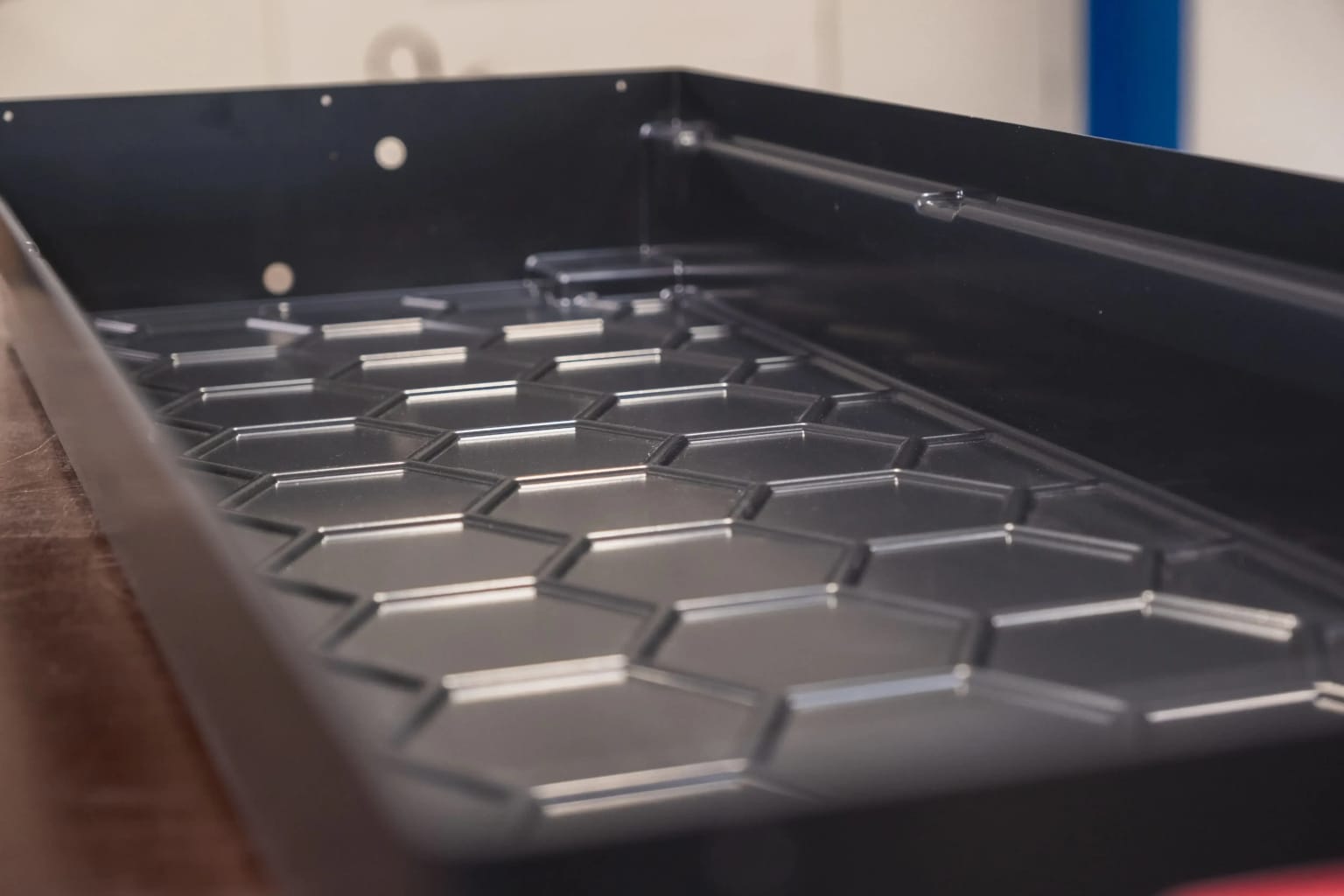
The lid and base could be produced using a single combination tool

Only one tool is required


This reduced both production time and investment costs. At the same time, a second variant was implemented at short notice, also made from 100% recycled ABS. To meet the tight schedule, a regional production partner with immediate capacity was integrated via the formary supplier network, enabling development and manufacturing without delays. 

Batteriegehäuse aus Kunststoff

The Advantage

Short Distances for Maximum Speed and Coordination

By selecting a production partner located near NAEXT’s site, prototypes could be reviewed locally, picked up in person, and directly integrated into the application. Changes and iterations were implemented without delay.

The result: maximum implementation speed combined with high quality and close coordination among all parties involved.

Material Change

A Key Lever for Cost, Performance, and Sustainability

Switching from aluminum to recycled plastic delivered multiple benefits:


Significantly lower weight

Improved technical properties

Easier handling in daily use

Reduced manufacturing energy

Lower costs

Innere Ansicht des Batteriegehäuses aus Kunststoff
Henning Behn, Geschäftsführer von NAEXT

“It was very important to us to have a supplier who would support us right from the start of this development, and that’s exactly what we found in formary.”

— Henning Behn, NAEXT

The Result

Sustainable, Scalable, and Successfully Transferred to Series Production

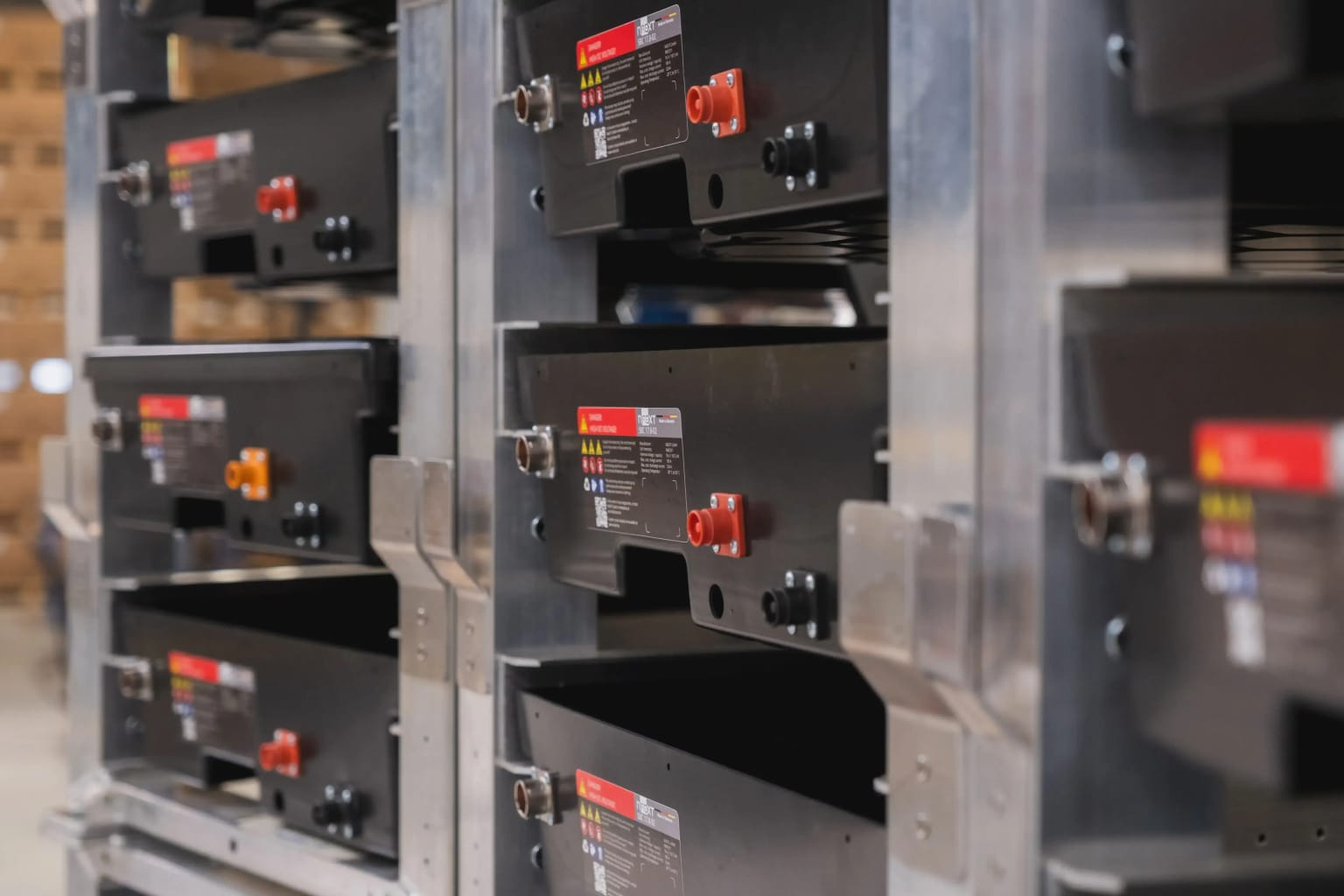
The jointly developed housing components are now an integral part of NAEXT’s energy storage solutions. The project created a strong foundation for scalable future development.

Key success factors included:

  • Fast implementation despite tight timelines
  • Transferability to additional variants
  • Combination of design expertise, supplier network, and manufacturing competence

Mr. Behn adds:

“The combination of technical expertise, regional network, and fast responsiveness made this project so straightforward to implement.”

Container mit Batteriegehäusen aus Kunststoff in seitlicher Ansicht

FAQ – Frequently Asked Questions About Battery Housings & Material Substitution

Why use plastic instead of aluminum for battery housings?

Plastic—especially recycled material—can be produced much more energy-efficiently and allows for lighter components.

What are the advantages of thermoforming plastic for housings?
Is recycled plastic suitable for industrial applications?
How quickly can such projects be implemented?

Further Reading

What is Recyclate? Options in Plastic Recycling and Distinction from Virgin Material

What is Recyclate? Plastic Recycling in the Spotlight

Blog

We’ll explain what the term means and how recycled materials differ from virgin materials.

Materialguide 1 Banner English

Material Guide for Thermoformed Parts

Whitepaper

Find out what materials are available for plastic deep-drawing and what you should bear in mind when choosing a material. 

Plastic vs. Metal Blog Banner

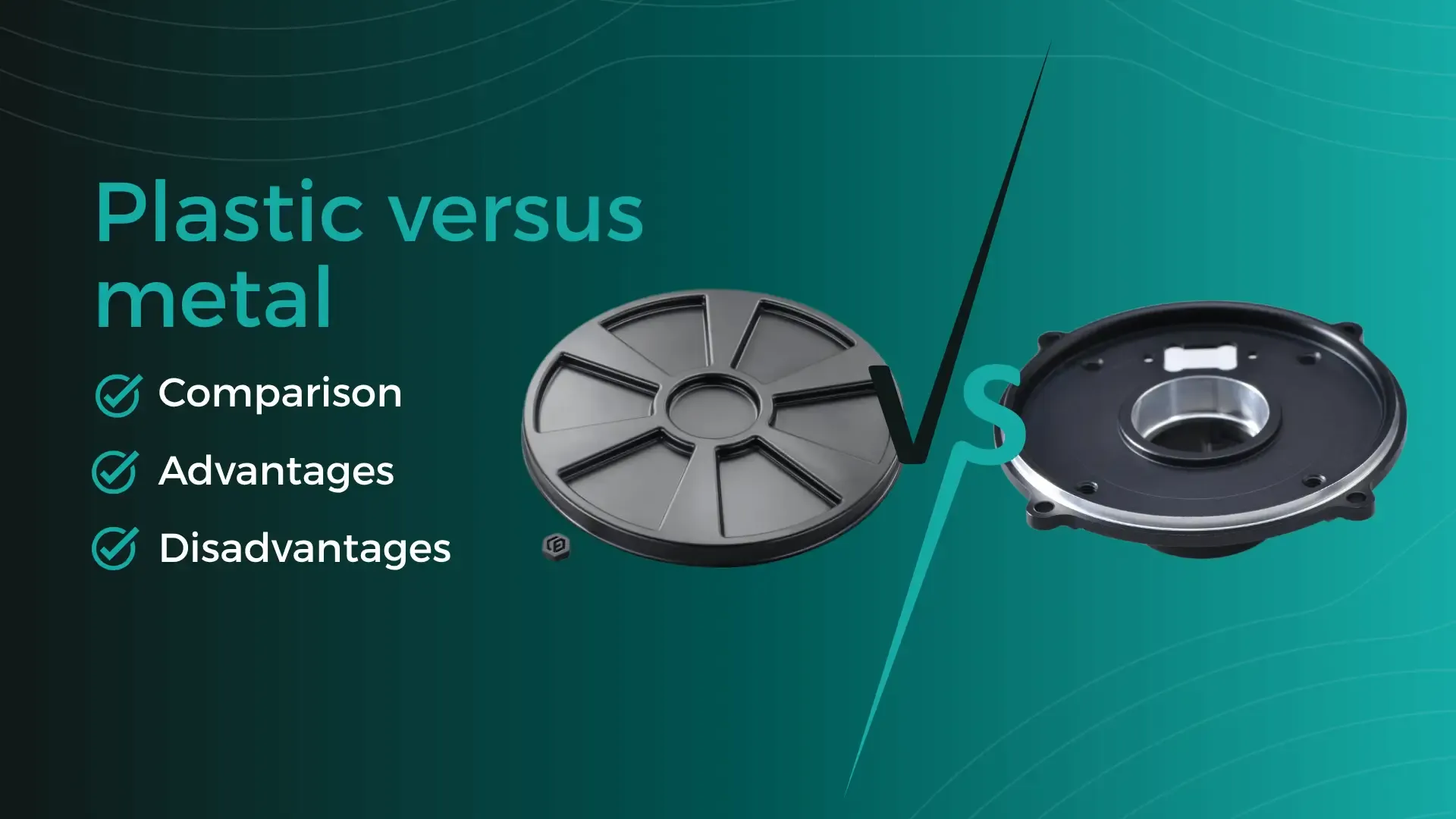
Comparison of Plastic vs. Metal

Blog

You will learn how metal and plastic differ as semi-finished products and which material is better suited to your application. 

Would you like to rethink an existing component?

We support you from design to series production—fast, efficient, and sustainable.

Don’t miss out on important tips and news about exciting thermoforming projects.

By submitting your registration, you accept the privacy policy and will receive an email to confirm your subscription.