Mobile Emotion: How start-ups benefit from platforms without plastic expertise
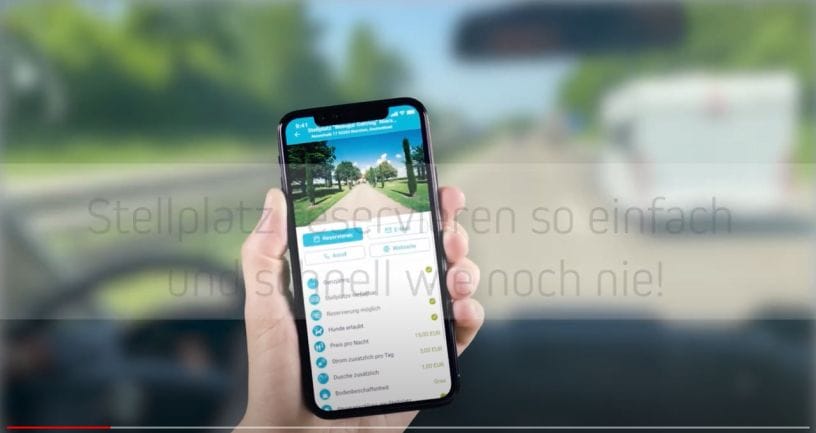
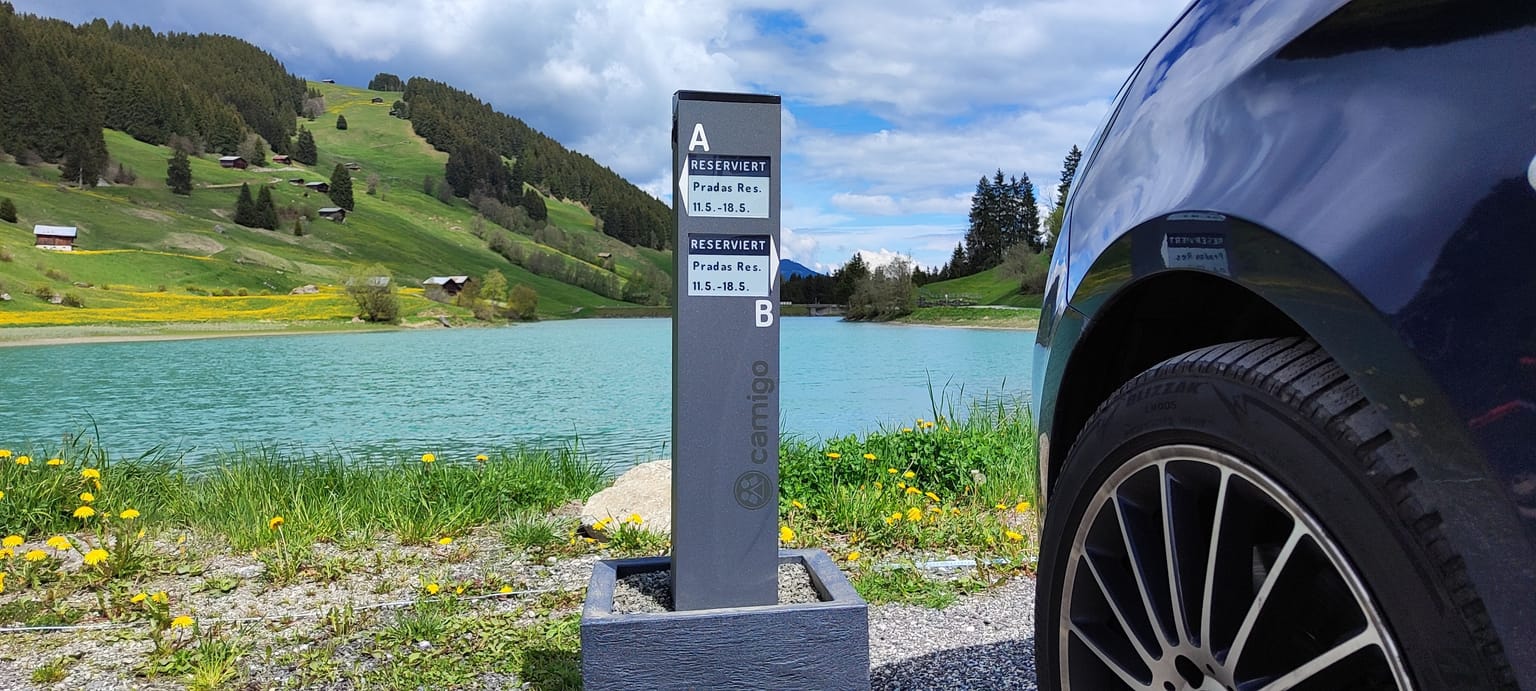
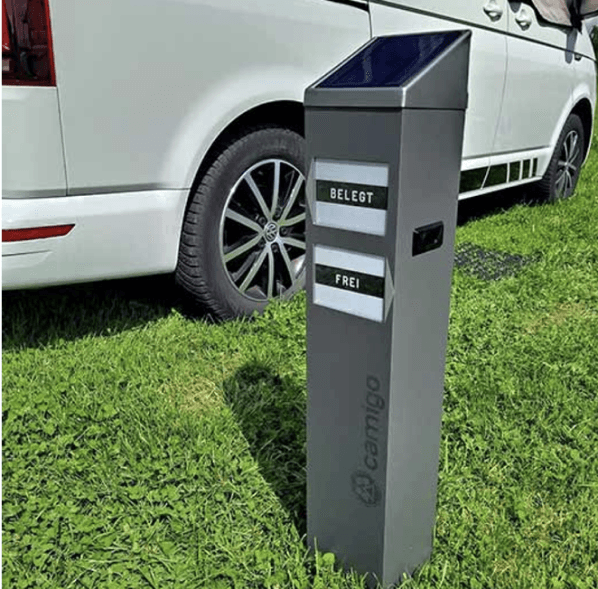
Guido Rasch founded mobile emotion, a start-up that developed a reservation system called Pitch Control under the Camigo brand. This system allows travelers to search for available RV parking spaces online and make immediate reservations. Pitch Control is a solar-powered pillar at the campsite, connected to an app that displays the booking status in real-time. It also tracks whether an RV is actually on-site. Previously, there was no online booking option for simple campsites despite high demand.


By playing the video, you agree that your data will be transmitted to YouTube and that you have read the Privacy Policy.
Founded in 2015 and based in Wangen im Allgäu, mobile emotion GmbH is a company in the IT technology/tourism sector that specializes in the development of an innovative IoT-based reservation system for motorhome pitches. With its user-friendly app and property management system (PMS), mobile emotion offers a modern and efficient solution for travelers and pitch operators.
Business founder with no expertise in plastics faces a hardware challenge
Guido Rasch developed the Pitch Control hardware from scratch. The outdoor electronic column presented him with a number of challenges. As it is intended for outdoor use, the Pitch Control requires a plastic cover that encloses the solar panel flush with the surface and reliably protects the electronics from UV radiation and the elements.
“I’m a businessman with a penchant for technology, but I’ve never had anything to do with plastics processing before,” commented Rasch.
Whilst searching for a production process, he moved on from silicone and injection moulding to plastic deep-drawing due to the lower tooling costs. He contacted a deep-drawing specialist, but the latter reached their limits during the development of the series-production product. The cover was deep-drawn from material with an initial thickness of 3mm; in real-world testing, it failed to withstand the mechanical stresses, and the corners of the deep-drawn part cracked. The problem was that the deep-drawing manufacturer’s machinery could not process material thicker than 3mm. mobile emotion was forced to look for an alternative manufacturer and make a new investment.
Prototype development under time pressure despite a lack of deep-drawing expertise
mobile emotion needed a fully functional plastic cover for the launch of the Pitch Control column, and had to meet a tight deadline. The requirements for the new solution were clearly defined:
Digital processes, proactive advice and access to specialist suppliers
Guido Rasch deliberately used the change of manufacturer as an opportunity to find a partner specialising in thermoforming with in-depth expertise. He came across formary via a Google search. As a start-up focusing on digital processes, he was impressed by its digital interface. Even more important, however, was the in-depth advice he received on everything from technical possibilities and mould options to material properties.
formary worked with mobile emotion to completely redesign the plastic cover from scratch. The design was specifically engineered to ensure that:
✓ Samples are now available in three different material thicknesses, enabling a cost-effective selection
✓ Second samples, including production moulds, were delivered via express delivery for the trade fair presentation
✓ A negative tool geometry allowed for over-milling on the outer edge
✓ Paintwork has been integrated directly into the overall service offering from the post-processing network
The final cover was extruded from 8 mm recycled ABS on a sheet extrusion machine belonging to a supplier specialising in ABS, and shaped using a 5-axis CNC milling machine. The paint contractor was involved in the technical approval call.
Platform access gives start-ups access to expertise and flexible supplier selection
Through its collaboration with formary, mobile emotion – a start-up with no prior knowledge of plastics – gained access to:
✓ A wide range of suppliers with different machine profiles
✓ Proactive advice on material thicknesses, tooling strategies and post-processing
✓ Digital, streamlined processes for rapid quotation processing
✓ Integration of finishing services (paintwork) from a single source
Despite a lack of expertise and a tight deadline, mobile emotion was able to deliver a solution suitable for series production. The negative mould design creates a visually high-quality, smooth transition to the column. The cover is slid into place rather than fitted over the top.

“What was on the formary website was exactly what I needed. I provide my requirements, and then something comes back relatively quickly. I felt like I was understood as a start-up with little experience in plastic processing, and at the same time, the processes were streamlined.”
— Guido Rasch
A solution suitable for series production despite a change of manufacturer and a tight deadline
The jointly developed plastic cover is now an integral part of the Pitch Control column. mobile emotion has steadily attracted more and more site operators and is the only hardware start-up in the motorhome site sector.
The following factors were crucial to the project’s success:
✓ Multi-stage sampling for functional and economic selection
✓ Fast-track process for second samples, including production moulds
✓ Integration of paintwork from the post-processing network
✓ Continuous optimisation of the fit in the second production run
Guido Rasch explains: “It’s certainly a lot of work, of course, but it also protects us from copycats. Any IT student can build an app, but not everyone has the confidence to develop the hardware for it and mould the plastic parts.”
formary will also support the hardware start-up as a partner in future projects, providing expertise, in-depth advice and a strong network of suppliers.
formary coordinated the entire process—from material selection and tooling strategy to post-processing. Thanks to digital quotation processes, proactive consulting, and experienced suppliers, the prototypes were manufactured within a very short time.