SLC Inlays – The Optimal Solution for Transport and Storage
Small Load Carriers (SLCs) are widely used as transport and storage containers across various industries. Their functionality is enhanced by SLC Inlays, which protect delicate components, improve organization, and simplify handling. Learn more in this article.
Sarah Guaglianone
Updated on August 7, 2026
Share
SLC inserts for transport and storage – Key facts at a glance
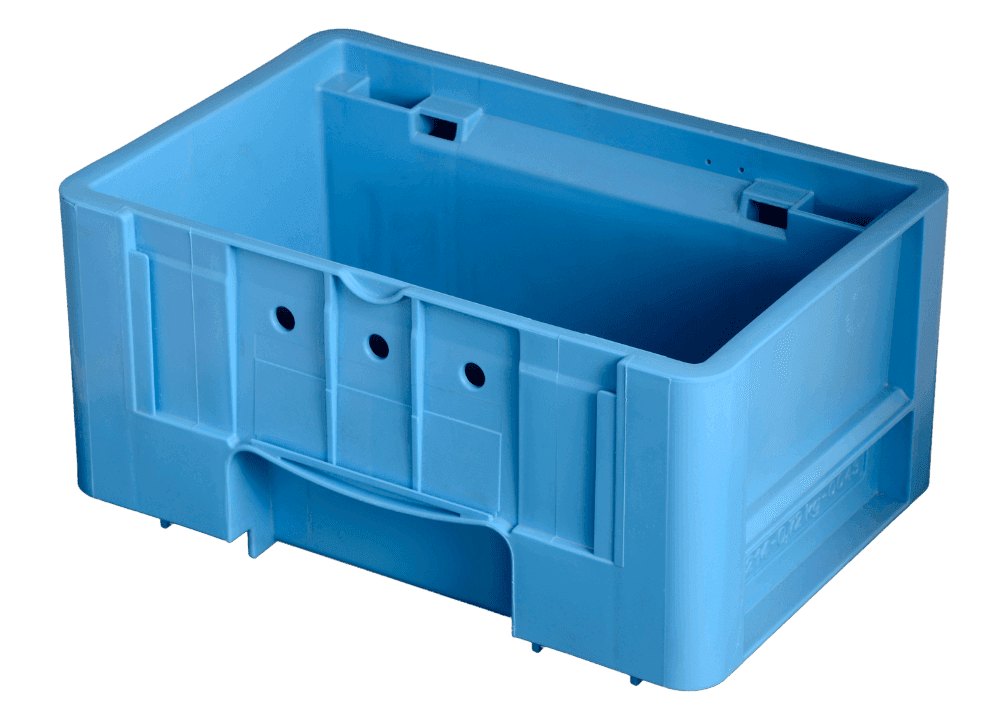
SLCs (small load carriers) are standardised, stackable plastic containers designed for the safe transport and storage of small parts, and are compatible with automated systems.
SLC inserts secure components, prevent damage, provide ESD protection and organise the interior for more efficient processes.
SLC inserts are used across a range of industries (automotive, electronics, medical, food) and enhance protection, organisation and efficiency in storage and transport.
Small load carriers (SLCs) are standardised plastic containers used in logistics and manufacturing for the safe storage and transport of small parts. They are robust, stackable and compatible with automated storage systems. In short: SLC containers or other Euro boxes simplify every logistics process.
Different types of SLC
R-SLC (Returnable Small Load Carrier) – A sturdy container with a reinforced base, suitable for heavy loads and automated systems.
E-SLC (Ergonomic Small Load Carrier) – Featuring special handles for easier manual handling.
RL-SLC (Returnable Lightweight SLC) – A lighter version of the R-SLC for applications with lower load requirements.
SLC inserts: A secure and structured solution for small load carriers
Euronorm containers are often already in use, but problems arise when components are transported in bulk and become damaged. To prevent this, suitable SLC inserts are required to ensure component safety.
ℹ️ In our online shop, you can choose from 200 different SLC inserts designed to fit standard outer container sizes.
What are SLC inserts?
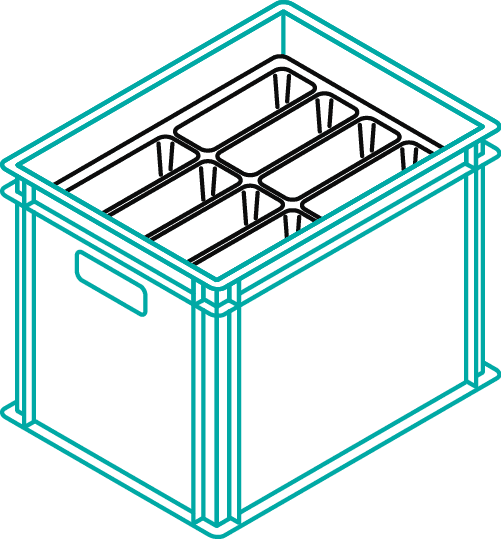
SLC inserts and Inlays are custom-made container inserts, specially developed for SLCs and Euro-norm containers using the Plastic thermoforming process. They ensure the organised, secure storage of components or parts that must not be handled as bulk goods. Container inserts can be used for any components, provided they fit into the recesses of the insert.
Advantages of SLC inserts
Container liners offer numerous advantages in transport and warehousing. These include:
Perfect protection for components
Delicate components require special protection. Thanks to their precise fit, SLC inserts provide optimum support and prevent components from coming into contact with one another or being damaged by movement.
More efficient processes
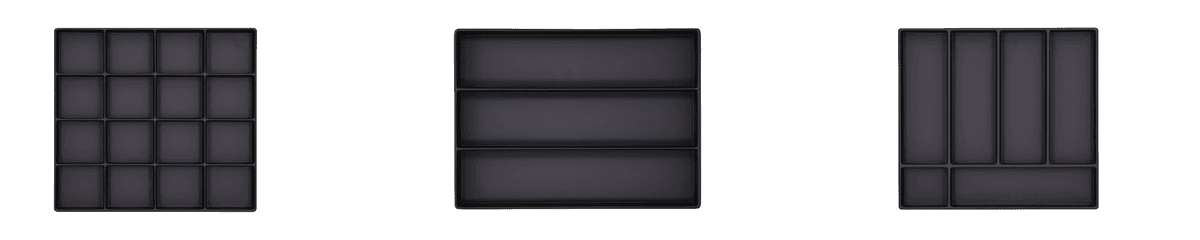
The use of container inserts simplifies handling in production and logistics. SLC inserts divide the interior into compartments for different components. The clear organisation of components within the SLCs speeds up order picking and assembly, resulting in more efficient processes.
Protection against electrostatic discharge (ESD)
For electronic components, ESD-Inserts can be used to protect them from electrostatic discharge. ESD-Protection is particularly essential in the electronics and automotive industries.
Efficient use of space
The precise arrangement of the container inserts ensures that the available space in small load carriers and Euro containers is used to the full.
Typical applications for SLC inserts
SLC inserts are used in many industries. They improve efficiency in warehousing and transport logistics, protect sensitive components and ensure hygienic storage.
SLC inserts in the automotive sector
In the automotive sector, container inserts enable the safe storage and transport of bolts, nuts and other small parts.
SLC inserts for the electronics industry
The electronics industry benefits from custom-made container inserts that protect sensitive components such as circuit boards and microchips from vibration.
Hygiene solutions for the medical technology sector
In the medical field, sterile SLC inserts ensure that instruments are stored hygienically and prevent contamination.
SLC inserts in the food industry
The food industry also relies on special, food-safe container liners that ensure safe and hygienic packaging.
Overview of the applications for SLC inlays
Industry
Applications for SLC inserts
automotive industry
Organisation and protection for screws, nuts and small parts
electronics industry
Safe transport of sensitive components (circuit boards, microchips)
Medical technology
Sterile storage of instruments and accessories
food industry
Use of food-grade SLC inserts for hygiene and safety
A distinction must also be made between standard SLC inserts and individual inserts and trays. Depending on the area of application, it is worth taking a closer look at the differences between the two options. You can find more about this in our article Standard Trays vs. Individual Tray Solutions.
Conclusion – Increased efficiency thanks to SLC inserts
Whether in production, logistics or warehousing, SLC inserts significantly optimise the use of small load carriers and Euro-standard containers. They improve protection, organisation and the efficiency of work processes.
Find the right small load carrier insert for your needs in our Online-Shop!
Yes. In addition to over 200 standard inlays, we offer custom solutions using a plastic thermoforming process.
With our 3D Tray Generator, you can create your own tray design directly online.
Simply use our online store. Three factors are important when making your selection:
Component properties (shape, weight, material requirements such as ESD or sterility)
Container size (external dimensions of the SLC or Euro-norm container used)
Logistics process (manual handling or automated storage system)
Related content
Thermoformed Parts in Practice
Supplier Guide for Plastic Thermoformed Parts – 10 Key Factors That Matter
Choosing the right supplier for plastic thermoformed parts is crucial for the quality, efficiency, and cost-effectiveness of your production. Our 10 tips will show you what to look for when selecting a supplier.
Platform & Features
3 Factors That Accelerate Your Procurement with formary
The three key factors—time, speed, and efficiency—are crucial for success in industrial manufacturing, from inquiry to delivery. That’s why formary has optimized this process, significantly accelerating the procurement of plastic thermoformed parts. Learn more in this article.
Thermoformed Parts in Practice
Rapid Prototyping in Thermoforming – Definition, Benefits & Processes
Rapid prototyping is used in product development to quickly create preliminary models. In thermoforming, rapid prototyping offers numerous advantages for producing high-quality prototypes efficiently and cost-effectively.
Platform & Features
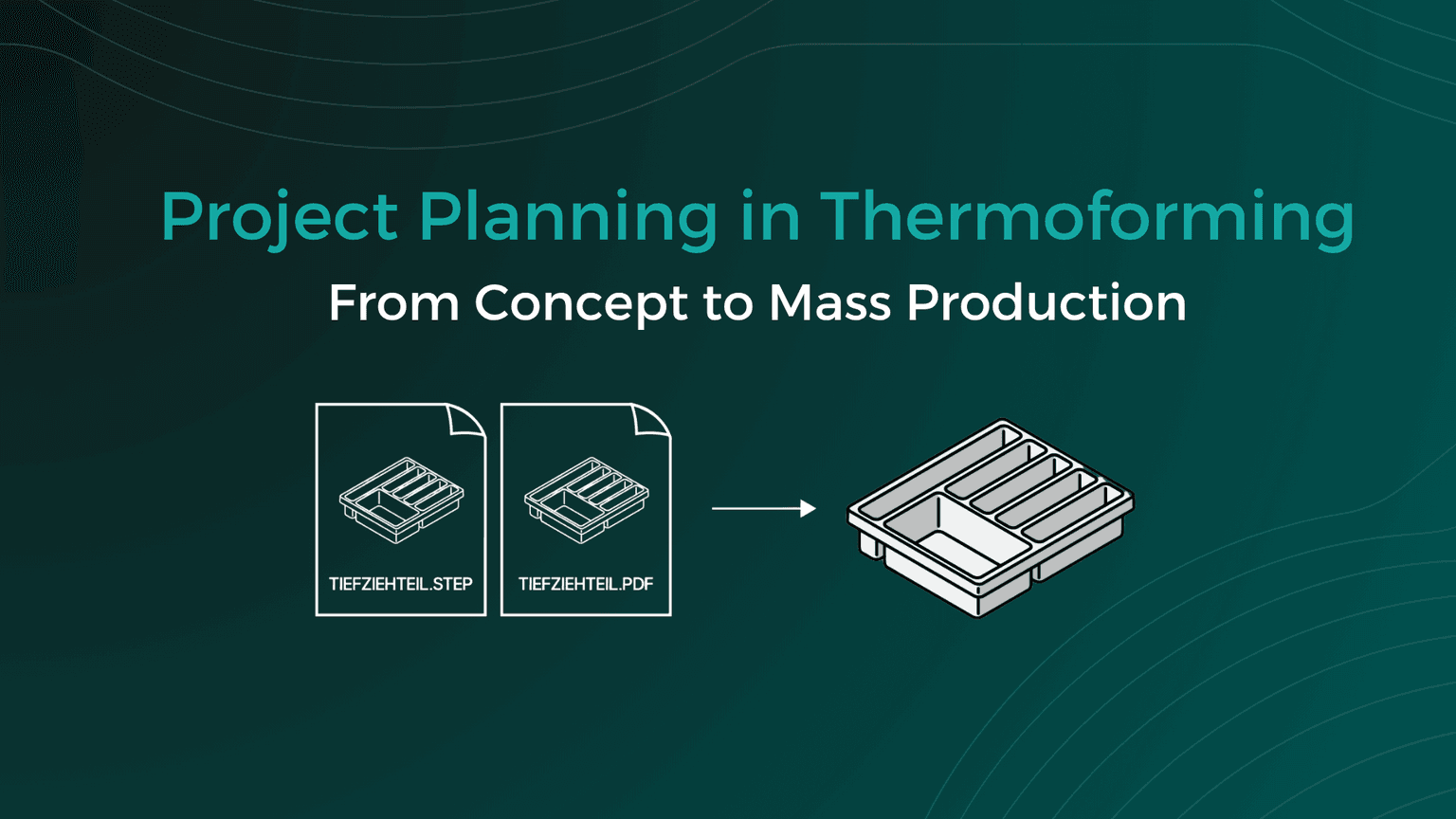
Project Planning in Thermoforming – From Concept to Mass Production
From the initial idea to mass production, various factors must be considered in thermoforming project planning, including material selection, tool manufacturing, and quality control. This article provides a detailed look at how a thermoforming project with formary is executed.
Thermoformed Parts in Practice
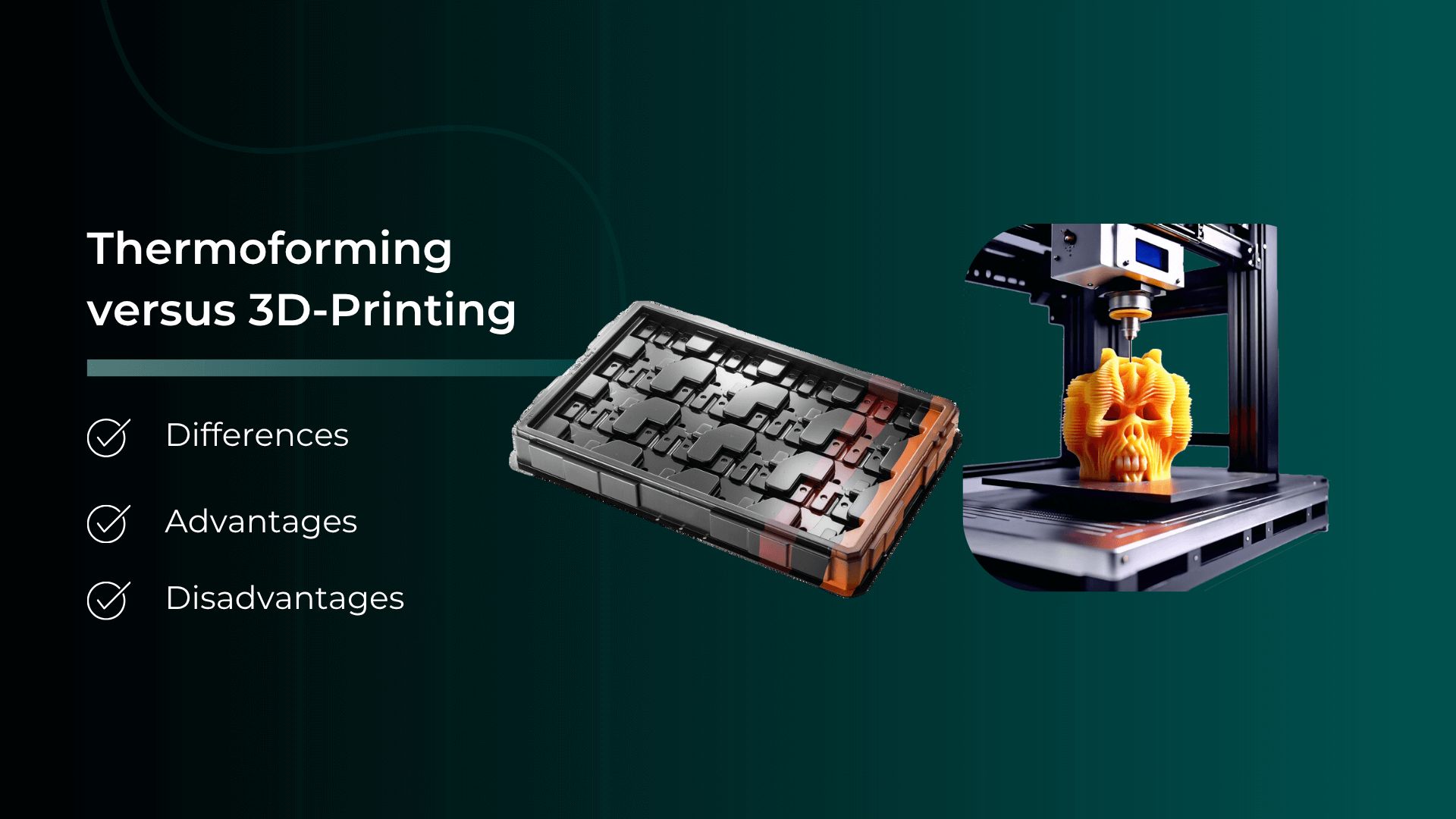
Thermoforming vs. 3D Printing – Advantages, Disadvantages, Differences, and Similarities
Plastic parts are manufactured using various processing methods. In this article, we focus on comparing the processes of plastic thermoforming and 3D printing.
Thermoformed Parts in Practice
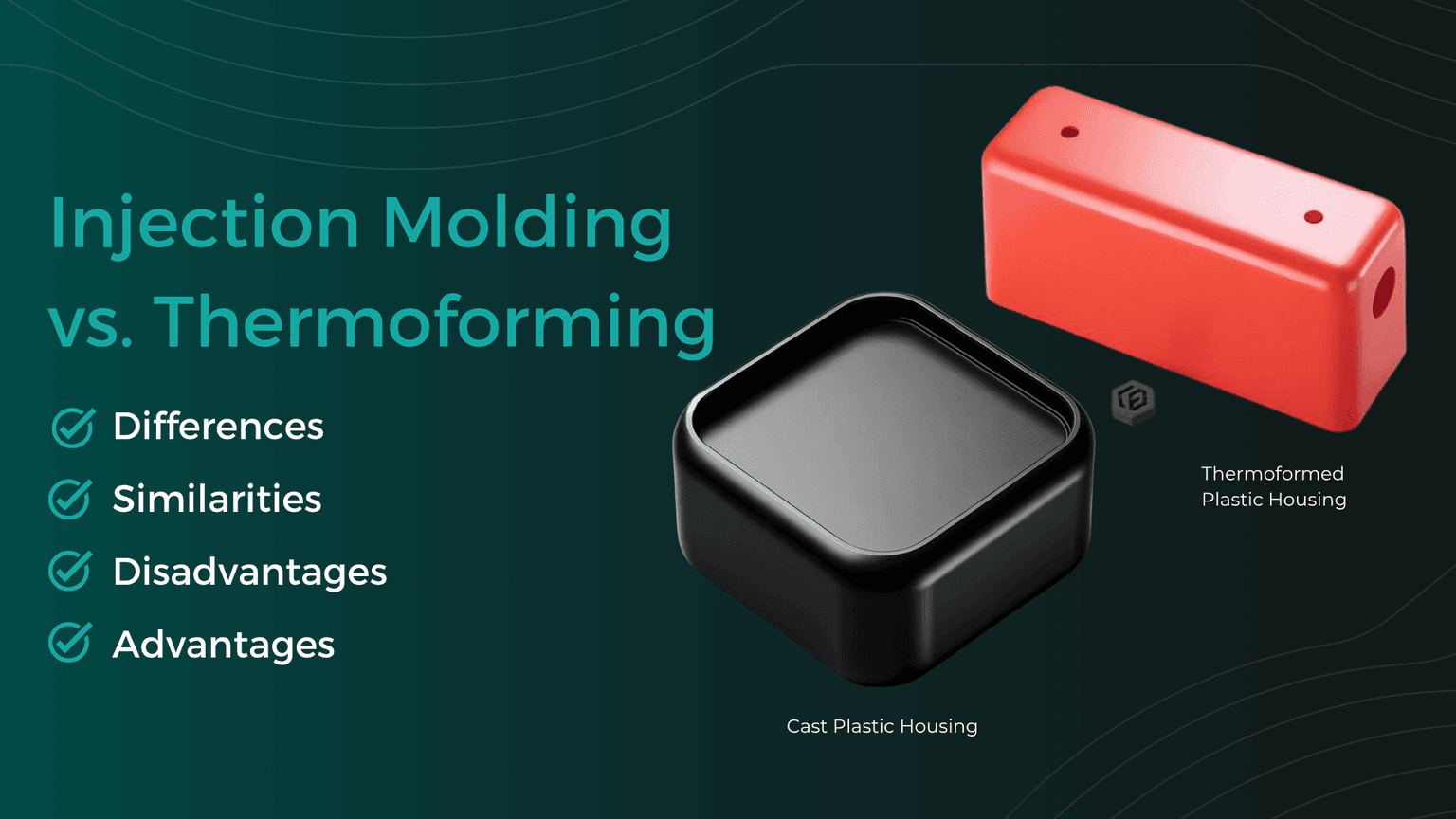
Injection Molding vs. Plastic Thermoforming – Advantages, Disadvantages, Differences, and Similarities
In the world of plastic processing, there are various common manufacturing methods used to produce precise plastic components for industrial applications. We compare two of them: Injection Molding and Plastic Thermoforming.
Thermoformed Parts in Practice
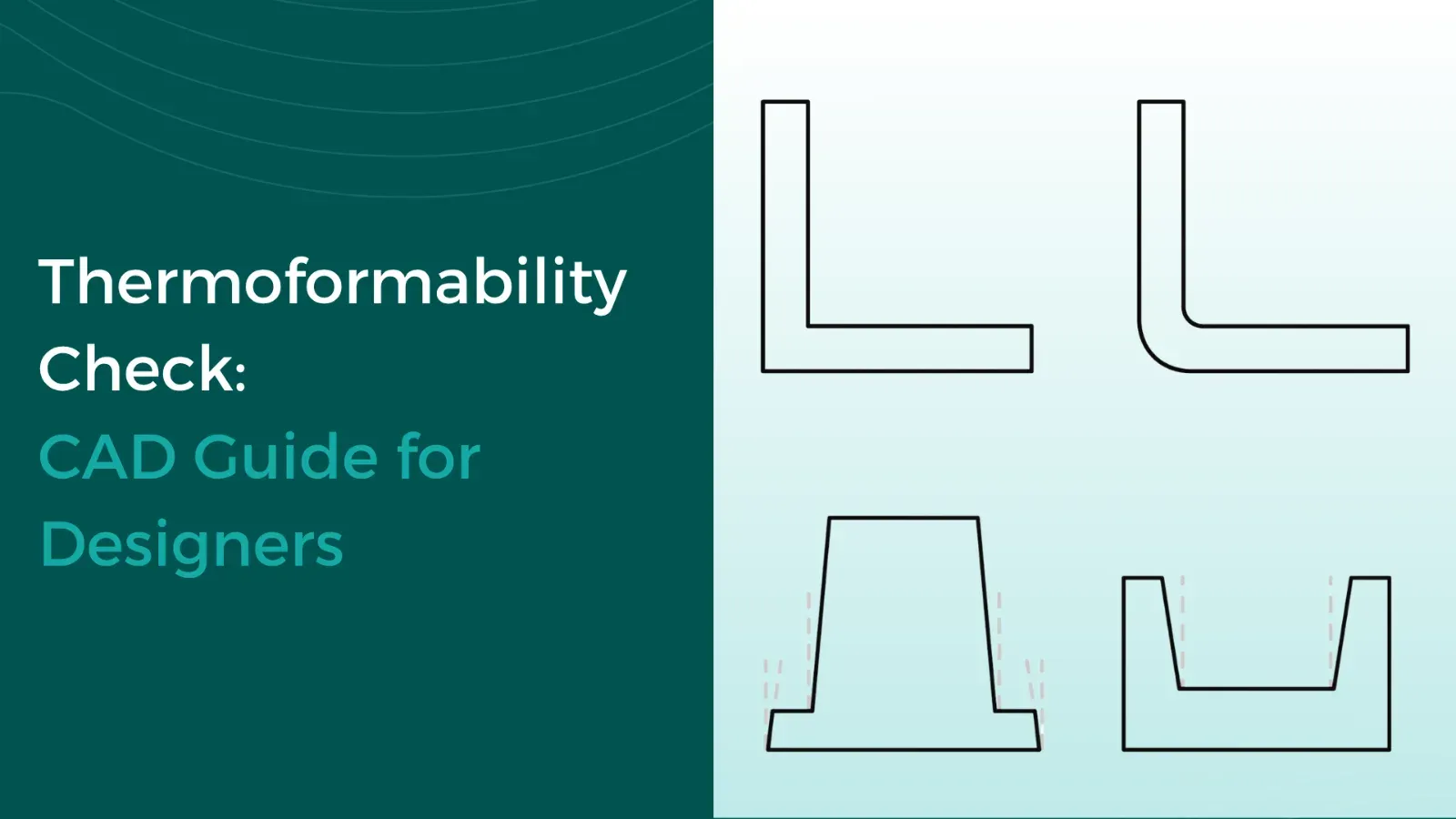
Checking CAD Models for Thermoformability: The Designer's Guide
Whether a plastic part is thermoformable is determined in the CAD model. Anyone who discusses geometry, wall thicknesses, and demoldability only after the first sampling pays for this loop with tool modifications, material waste, and lost weeks in the project timeline. This can be avoided during design: with a structured check that evaluates each model along this guide and makes typical sources of error visible early on.
Thermoformed Parts in Practice
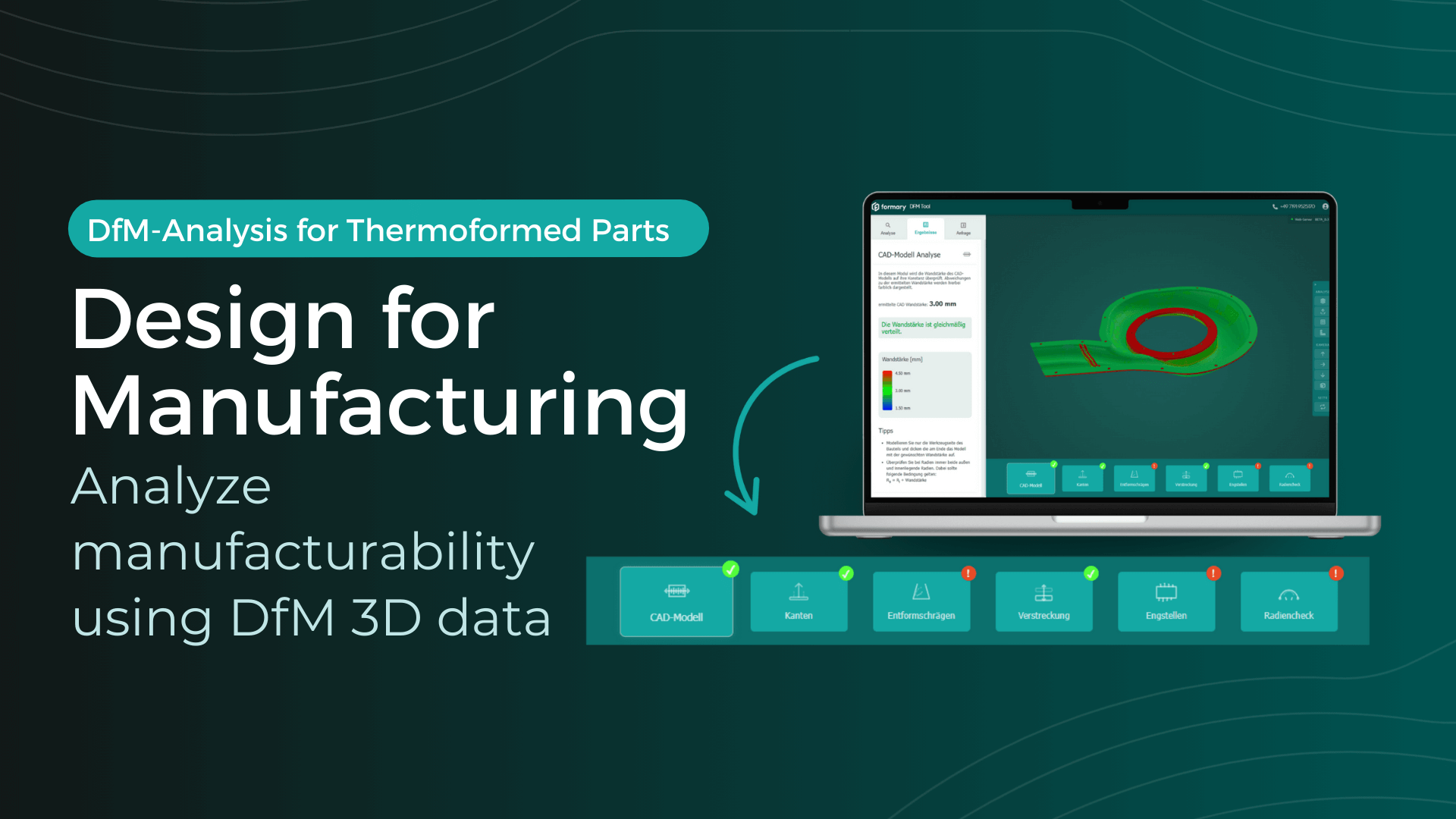
Design for Manufacturing (DfM): Guide to Manufacturing-Oriented Design
With the new Design for Manufacturing analysis from formary, it is now possible to check CAD data for thermoformability in a matter of seconds, allowing potential sources of error to be identified early on before they become costly. Read on to find out what features the DfM software offers and what the Design for Manufacturing principle entails.
Thermoformed Parts in Practice
Unit Costs and Tooling Costs in Thermoforming: Cost Factors and Scalability
The costs in plastic thermoforming are a crucial factor for the economic efficiency and planning of a project. They depend on various influences along the process chain and change depending on production volume and requirements. This article explains how costs in plastic thermoforming are composed, how they develop with increasing quantities and when the process becomes particularly worthwhile.