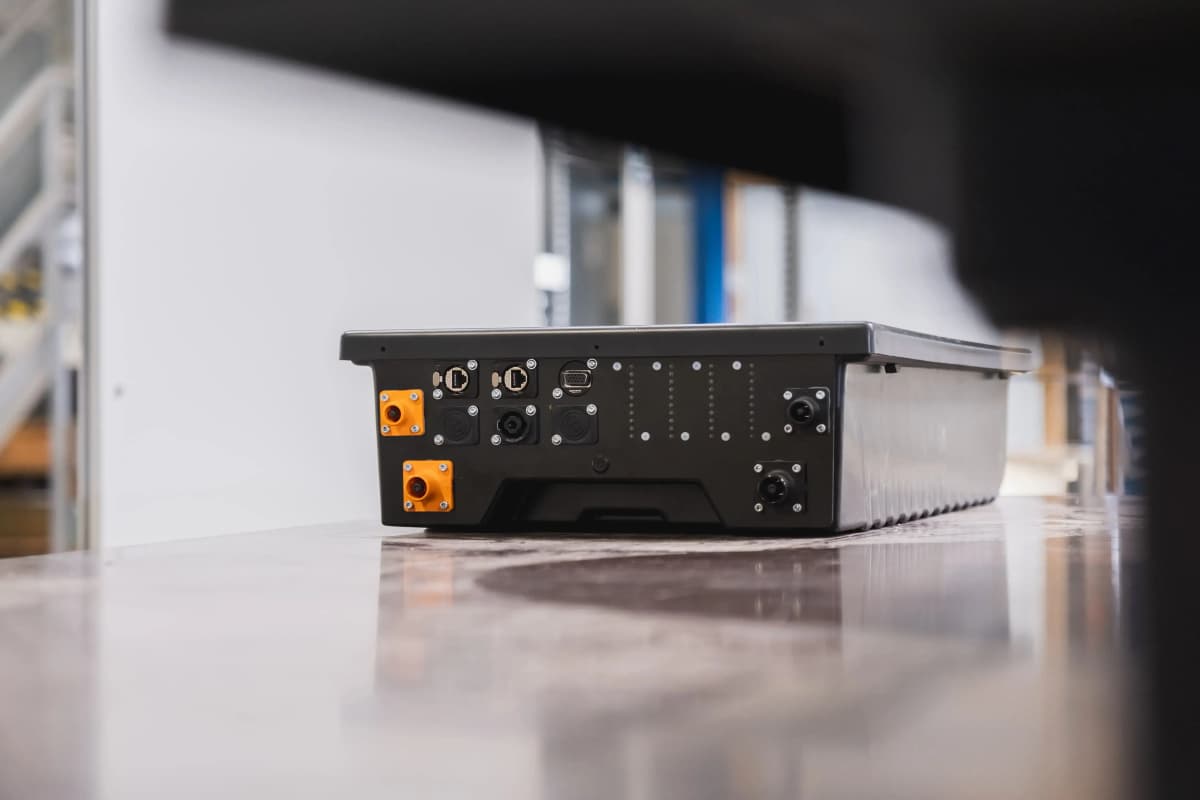
Grip recesses help with the ergonomic carrying of plastic containers
What does ergonomics have to do with plastic containers?
Ergonomics is a central criterion for plastic containers. The area of application and weight when filled are crucial, as well as whether machines transport them or employees lift them from KLTs and boxes.
Health risks from excessive weight
According to specialists in occupational medicine, the following one-time lifting loads can already be harmful to health:
Women: from 25 kg
Men: from 40 kg
Therefore, we recommend filling plastic containers with a maximum of 14 kg or not exceeding a maximum weight of 35 kg when handled by two people.
Ergonomic design for safe handling
For safe and fatigue-free work, weight, haptics, and shape are crucial:
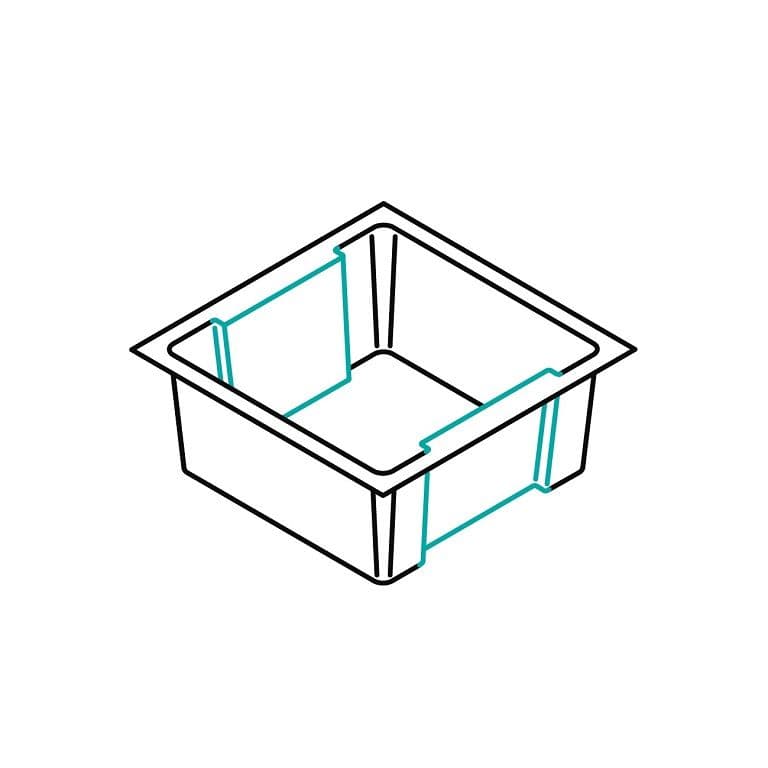
Carrying handles or grip recesses: stable, well-positioned, and aligned with the center of gravity of the filled container.
Grip design: the grip should be able to be fully enclosed with the hand, offer a comfortable grip feeling, and not wobble.
Stability: an unstable or swinging container leads to a feeling of insecurity when carrying and increases the risk of injury.
Support through ergonomic aids
In addition to an optimal weight, employees can be supported by devices that simplify lifting, carrying, and setting down. These include lifting aids, grip recesses, or shape-adapted transport racks. In the next section, we show how critical points on plastic containers can be specifically stabilized to ensure maximum safety and longevity.
Avoiding buckling, cracks, and wobbling in plastic containers
Plastic containers that buckle or break open when lifted cause frustration at work. But where do kinks and cracks in plastic actually come from? Plastic damage usually occurs because:
the loading weight was not considered during construction
the plastic cannot withstand pointed, sharp-edged loads OR
the plastic container has been in use for too long.
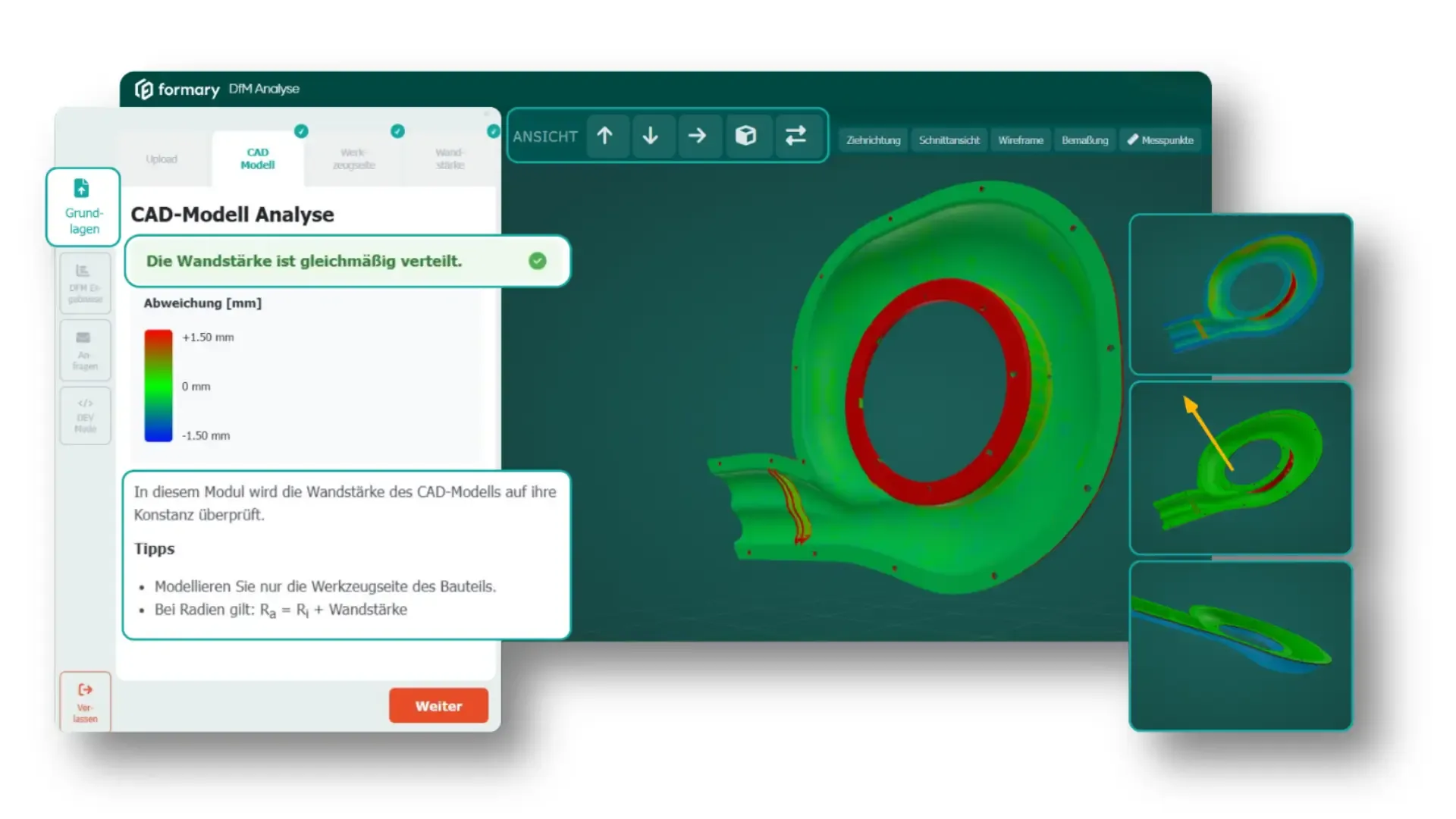
Tip: With our DfM analysis, you can check the data of your plastic container for thermoformability and problem areas.
Can plastic containers be designed as reusable products?
Of course they can. Whenever possible, we try to design the plastic container as a reusable product, since longevity makes sense for economic and ecological reasons.
Decisive criteria for the longevity of plastic containers
How long is the plastic container in use?
What is it used for and what is being transported?
How high are the load values in kilograms?
Is it exposed to additional mechanical stress from the environment or from the contents?
Targeted reinforcement of plastic containers
Ribs, bracing, or transition contours
stronger base materials
optimized material distribution through adapted forming ratio
Our experts select the appropriate material and the ideal wall thickness, always material-saving and application-oriented.
Special applications of plastic containers
individual milling on the bottom of the container
The application of plastic containers is as diverse as the industry itself. From catch trays to rinse trays or plastic wash tubs to food-safe containers, everything can be found.
Design possibilities for plastic containers
For special requirements, openings and apertures can be incorporated in the bottom.
Connection systems to surrounding objects can be attached
Tight tolerances? This can be taken into account in the thermoforming tool at the critical points
Sensitive high-gloss containers can be delivered specially packaged with foil and intermediate layers to avoid scratches during transport and storage
If you want to additionally protect the contents of the plastic container or prepare them for freight, then a suitable lid is a must.
Tip: In our Design Guide, you will find the most important criteria for the design of thermoformed plastic parts.
Plastic lids for plastic containers – precise fit, secure, and versatile
A plastic lid must above all do one thing: fit – both on the plastic container and to your specific application. It reliably seals the container and fulfills important functions in many industries:
Protection and hygiene
In the food industry and pharmaceutical industry, compliance with strict hygiene requirements is paramount. A suitable plastic lid reliably protects the contents from:
Dust
Contamination
Particles
Furthermore, sterilizability, temperature resistance, and chemical resistance are mandatory in many areas of application, not only in the food and pharmaceutical sectors, but also in chemistry, medical technology, and in high-tech industries.
Other important functions
Plastic lids not only prevent the ingress of dirt, but also:
Leakage of liquids
Falling out of sensitive components
Damage during transport or storage
In addition, lids can serve as a plug-in and stacking system for storage and intermediate storage. Important: The contents should be completely recessed or flush with the edge of the plastic container at most to ensure a secure seal.
Depending on requirements, different closure techniques are used:
Slip-on closure: sits loosely on top, easily removable
Snap closure: locking mechanism holds the lid securely on the container
Hinged lid: firmly fixed to the container, for opening and closing
A transparent plastic lid additionally offers the advantage that you can check the contents at any time without opening the container.
Conclusion - Avoiding common errors with plastic containers
To extend the service life of your plastic containers and avoid damage, you should pay attention to proper handling, use stable carrying handles, and keep an eye on the loading weight. Additionally, individual adaptations such as reinforced structures and special packaging can help increase stability and protect the contents. In summary, plastic containers are extremely durable and survive many production cycles with proper handling.
Frequently asked questions about the design of plastic containers
A thermoformed plastic container is a robust, lightweight container that is manufactured using the thermoforming process. It is used in industry, logistics, and food production and can be individually adapted to shape, size, and material.
Yes, plastic containers can be designed as durable reusable products. Material, wall thickness, and reinforcements are selected so that the containers survive many production cycles.
Further Content
News
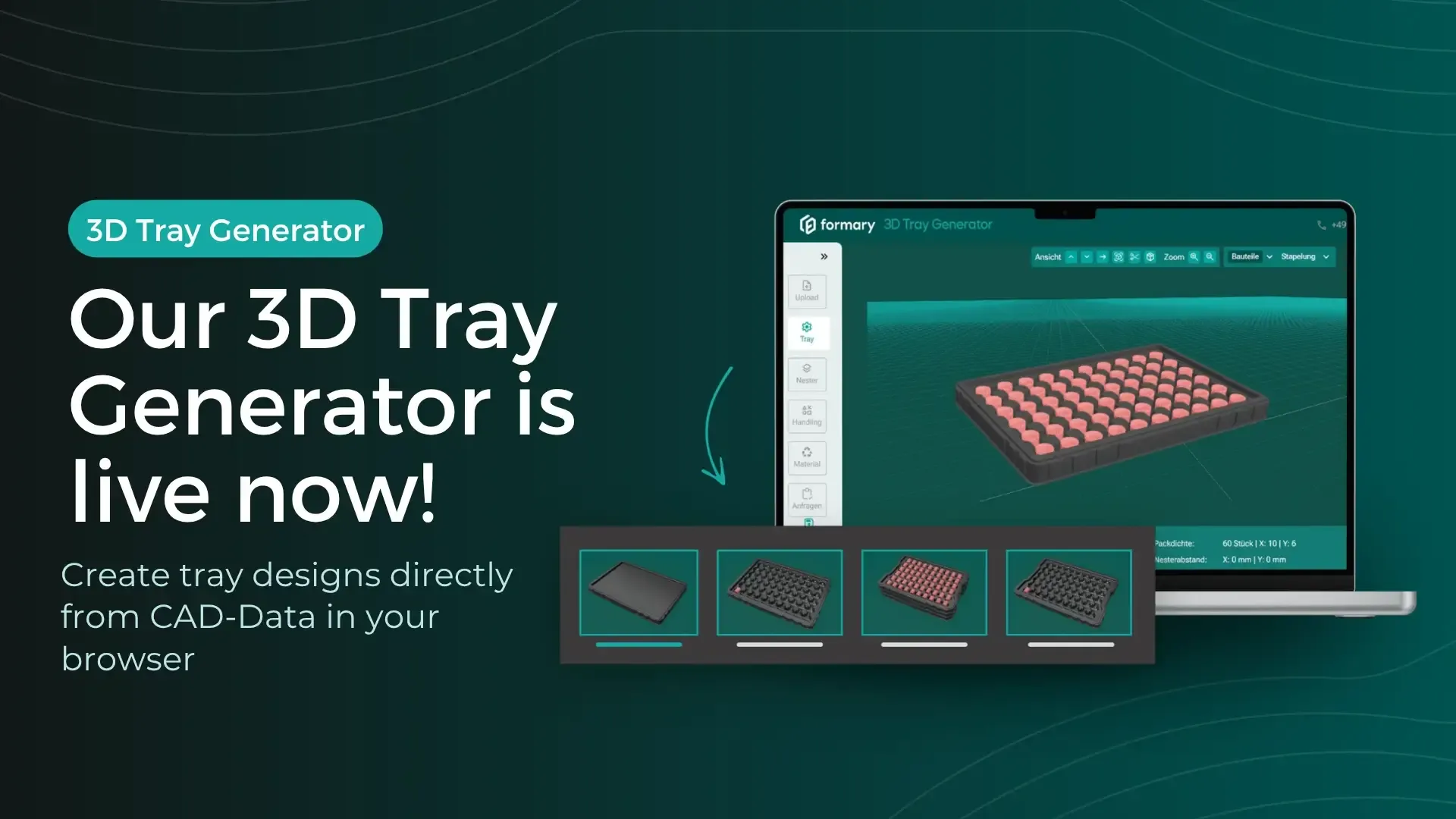
Now live: Create Tray Designs Directly from CAD Data in Your Browser
Planning plastic trays for transport, storage, or automated manufacturing processes often starts with one key question: what should a suitable tray for the component actually look like? This is exactly what the new web-based 3D Tray Generator answers within seconds. Learn more in this article.
Thermoformed Parts in Practice
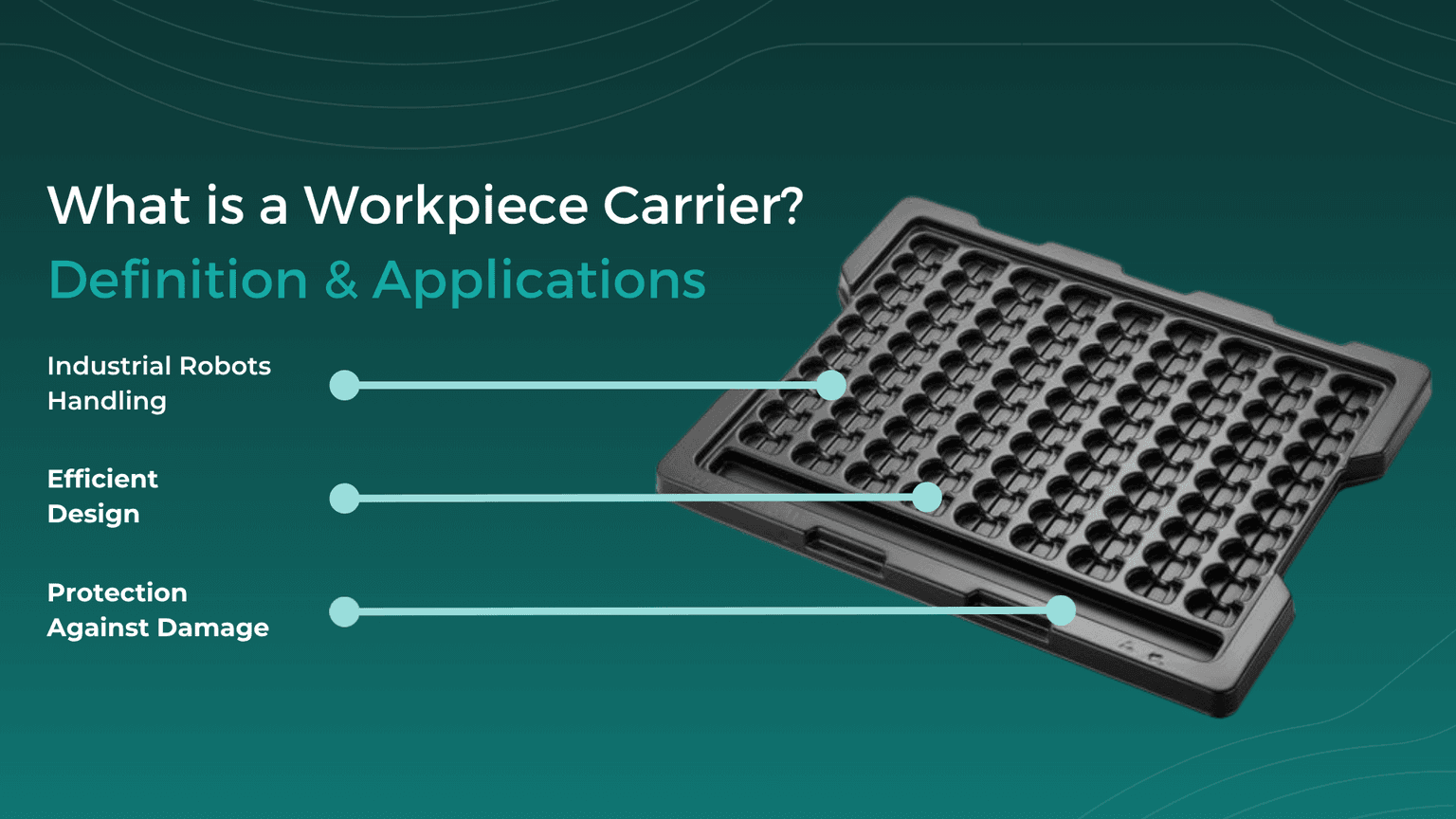
What Is a Workpiece Carrier? Definition & Applications
A constant challenge in the manufacturing industry is efficiently managing material flow throughout all assembly stages and departments. These logistical challenges can be optimally addressed by using product-specific workpiece carriers. Learn more in this article.
Platform & Features
Project Planning in Thermoforming – From Concept to Mass Production
From the initial idea to mass production, various factors must be considered in thermoforming project planning, including material selection, tool manufacturing, and quality control. This article provides a detailed look at how a thermoforming project with formary is executed.
Thermoformed Parts in Practice
Automation of Production - How Trays Support Automation in Industry 4.0
Trays for automation are workpiece carriers that pass through an automated industrial system or production line, fulfilling various functions along the way.
Thermoformed Parts in Practice
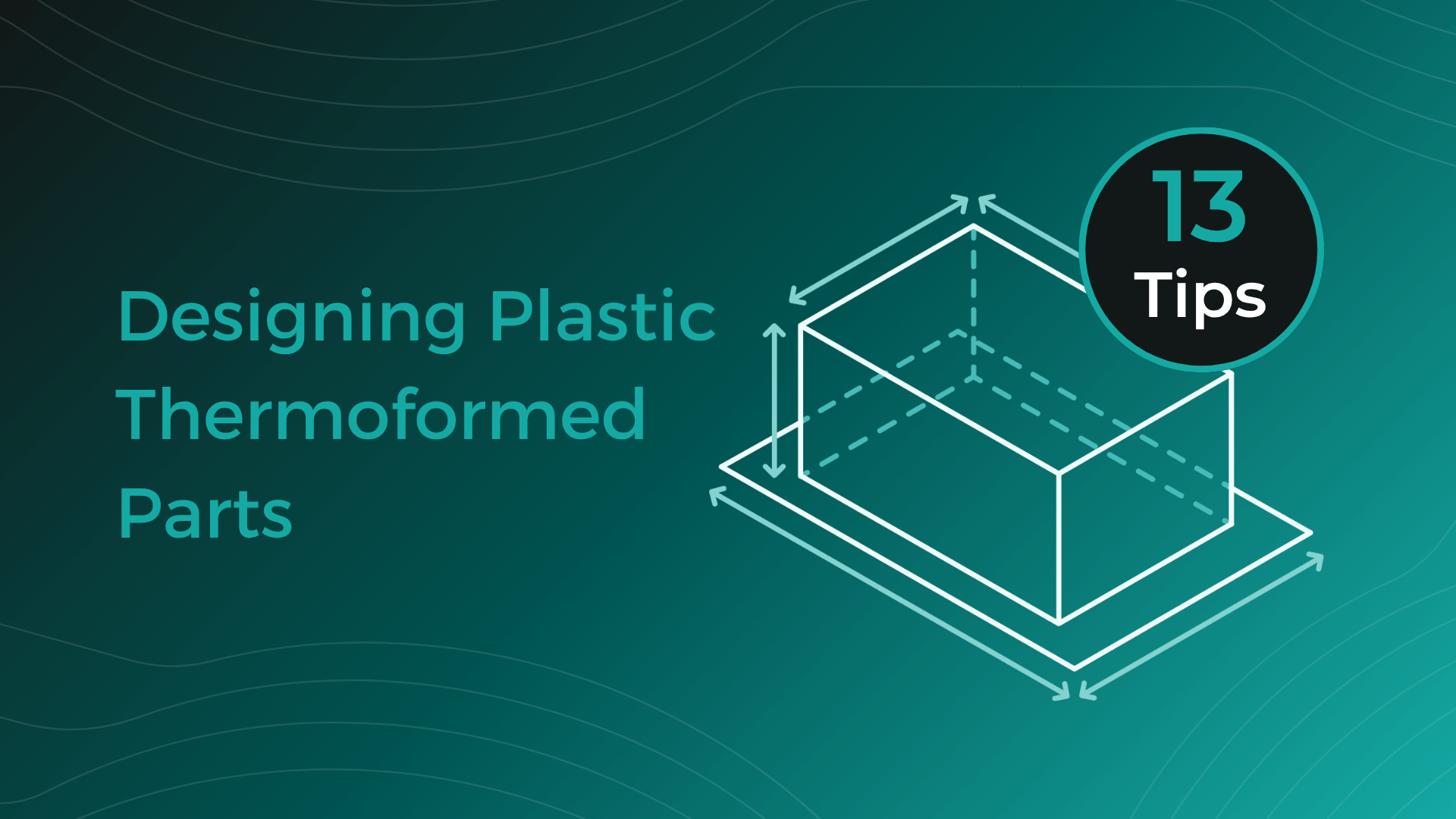
Design Guidelines for Plastic Thermoformed Parts – Top 13 Tips for Plastic-Optimized Construction
Plastic thermoforming is shaped by factors like material quality, temperature, pressure, speed, and tool geometry. With the right design principles, you can prevent errors in CAD and production. formary has gathered key tips to help you optimize your thermoformed parts.
Thermoformed Parts in Practice
Warehouse Inventory: Tips & Tricks for Better Warehouse Organization and Efficiency with Trays
Warehouse inventories cost time, tie up staff, and often disrupt ongoing operations. This is especially true for small parts, serial components, or recurring components, where counting quickly becomes confusing if parts are stored loose in boxes or shelf compartments. Standard trays create a simple yet effective structure here for better warehouse organization. This article shows how trays optimize inventory counts in both the warehouse and production.
Thermoformed Parts in Practice
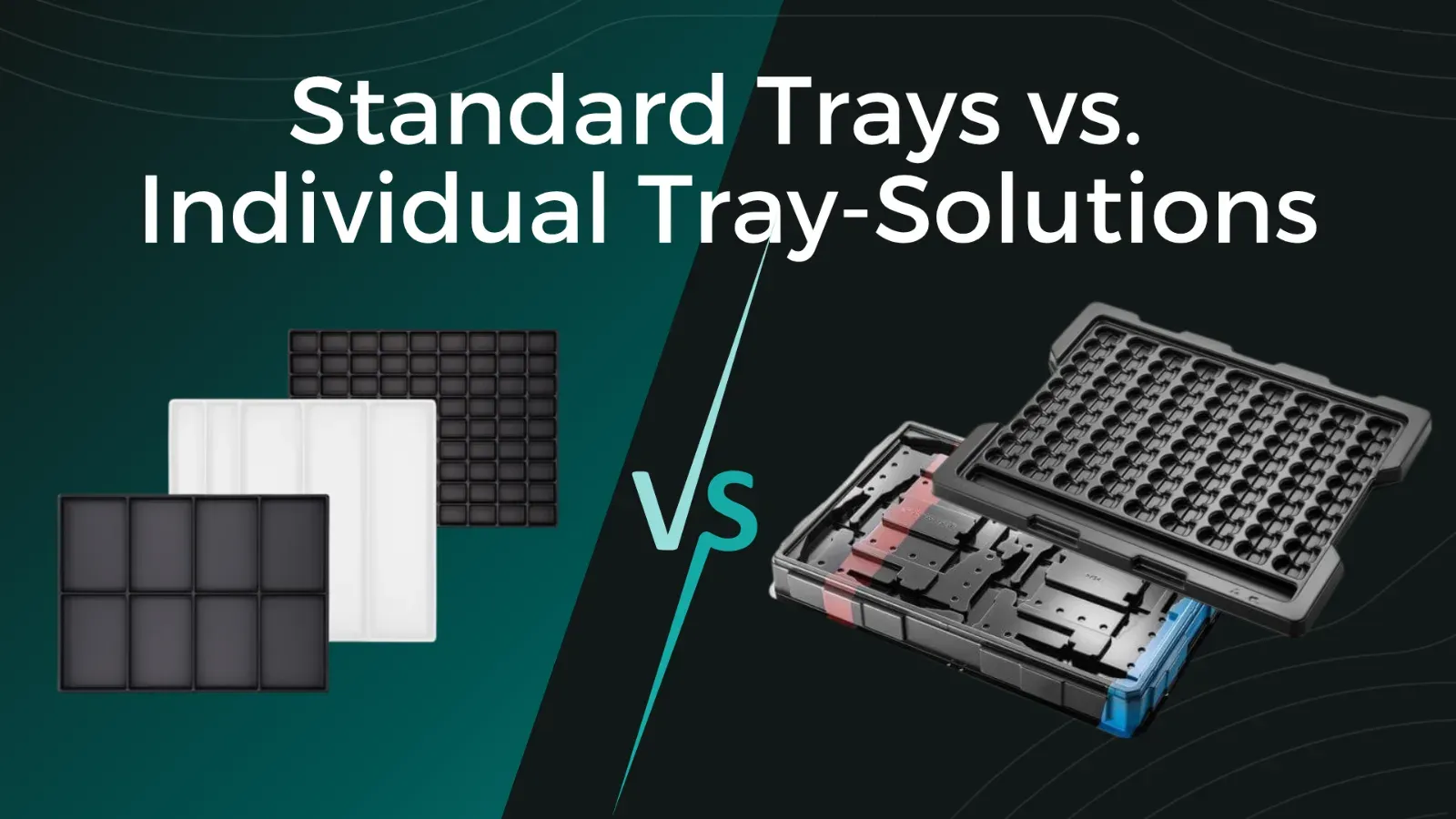
Standard Trays vs. Custom Tray Solutions: Which Option Is Best for Your Project?
Anyone sourcing plastic trays for transport, storage, or production quickly faces the question: choose a standard tray from the catalog or have a custom solution developed by a thermoforming specialist? Both options have their place. The right choice depends on the component, quantity, budget, and project requirements. This article explains which option is the right one for you.
Thermoformed Parts in Practice
Checklist: 10 Details a plastic thermoformer needs from you
You’re planning to source plastic thermoformed parts and want to submit a request for a quote. But what information does a thermoforming supplier really need to provide you with a meaningful quote? Incomplete requests lead to follow-up questions, delay the quoting process, and complicate the technical evaluation. If you provide the right information from the start, you’ll receive a reliable estimate faster and avoid unnecessary back-and-forth.
Thermoformed Parts in Practice
Thermoforming Tool for Plastic Thermoformed Parts: Structure, Types, and Manufacturing
Plastic thermoforming is a process in which a plastic sheet or film is heated and shaped over a mold to create various three-dimensional objects. A crucial element in the thermoforming process is the tooling used to achieve the desired shape.